Top 5 In-Hull Transducers in the USA for 2025 — Protected Sonar Performance for Fiberglass Boats
Published on Monday, August 25, 2025
In-hull transducers are bonded to the inside of fiberglass hulls to provide protected sonar performance without hull penetration. They deliver reliable CHIRP and single-frequency returns while maintaining a clean exterior and reducing drag and fouling risk — a major advantage for anglers and recreational boat owners who prefer low maintenance and a tidy deck. In USA, where boaters encounter a wide range of freshwater and coastal conditions, in-hull units are especially appealing because they protect sensitive electronics from physical damage and ice, perform well at planing speeds on compatible hulls, and integrate easily with modern chartplotter/fishfinder systems. Consumer preferences increasingly favor models that balance clear bottom and fish ID, ease of installation, broad system compatibility, and durable construction for cold-water use.
Top Picks Summary
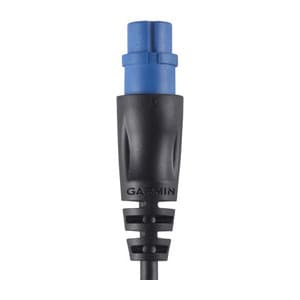
Garmin GT15M-IH
The GT15M-IH earns its place for in-hull transducer installs by combining dependable wideband sonar performance with seamless integration into the Garmin ecosystem, making it an economical top pick for users who already run Garmin chartplotters. Compared with the other in-hull options on this list, it stands out for its balance of cost and compatibility — delivering solid return clarity without the premium price of high-end specialist models.
What Research and Testing Say About In-Hull Transducer Performance
Scientific principles from underwater acoustics and industry testing explain why in-hull transducers work well on fiberglass boats and what limitations to expect. Laboratory and field evaluations performed by acoustic engineers and marine electronics manufacturers highlight how hull coupling, hull material and thickness, and environmental factors influence signal strength, beam shape, and depth capability. For most recreational applications the advantages — protected installation, reduced fouling and drag, and good medium-range performance — are supported by both physics and real-world testing.
Acoustic coupling: Studies in underwater acoustics show that effective transmission requires good mechanical coupling between the transducer face and the hull; bonding to fiberglass with the correct compound minimizes reflection and energy loss.
Hull material and thickness: Research and manufacturer test data indicate that fiberglass hulls with consistent thickness provide the best in-hull performance; thick or inconsistent laminate, air gaps, and balsa cores degrade signal quality.
Frequency and beam tradeoffs: Physics of sound in water demonstrate that lower frequencies travel deeper but give less target detail, while higher frequencies offer finer detail but shorter range. Many modern in-hull transducers use CHIRP or multi-frequency approaches to balance depth and target resolution.
Environmental effects: Acoustic propagation is affected by water temperature, salinity and thermoclines; American waters can present strong temperature gradients, so real-world tests recommend adaptive frequency use and sensitive receivers to maintain target clarity.
Maintenance and reliability: Comparative tests show that protected in-hull installations experience less mechanical damage and fouling than exposed through-hulls, reducing downtime and long-term maintenance costs for many boaters.
Frequently Asked Questions
What is the best top 5 in-hull transducers for 2025 — protected sonar performance for fiberglass boats in USA in 2026?
As of April 2026, Garmin GT15M-IH is the top choice for top 5 in-hull transducers for 2025 — protected sonar performance for fiberglass boats in USA. The GT15M-IH earns its place for in-hull transducer installs by combining dependable wideband sonar performance with seamless integration into the Garmin ecosystem, making it an economical top pick for users who already run Garmin chartplotters. Compared with the other in-hull options on this list, it stands out for its balance of cost and compatibility — delivering solid return clarity without the premium price of high-end specialist models.
What are the key features of Garmin GT15M-IH?
Garmin GT15M-IH features: In-hull design optimized for fiberglass hulls and simple bolt-on installation., CHIRP/Traditional sonar performance with reliable mid-range depth and fish detection., Engineered for plug-and-play compatibility with Garmin chartplotters and units..
How much does Garmin GT15M-IH cost?
Currently in 2026, Garmin GT15M-IH is priced at $212.68, with a 15% discount.
What are the benefits of Garmin GT15M-IH?
The main benefits include: Clear CHIRP returns, Easy flush-mount, Whisper-quiet ping.
How does Garmin GT15M-IH compare to Lowrance HST-DFSBL?
Based on April 2026 data, Garmin GT15M-IH is rated 4.3/5 while Lowrance HST-DFSBL is rated 4.1/5. Both are excellent choices, but Garmin GT15M-IH stands out for In-hull design optimized for fiberglass hulls and simple bolt-on installation..
Conclusion
In-hull transducers are a practical choice for many American boaters who want protected, low-maintenance sonar with good performance at speed on suitable fiberglass hulls. The five top options covered here — Garmin GT15M-IH, Lowrance HST-DFSBL, Humminbird XNT 9 20 T, Raymarine CPT-S In-Hull, and Airmar P79 — represent the range from best-value to premium performance. For most anglers and recreational users seeking a balance of compatibility, clarity, and price, the Garmin GT15M-IH stands out as the best overall choice on this list. We hope you found what you were looking for; you can refine or expand your search using the site search to compare features, frequencies, and hull compatibility for your exact boat and fishing style.