Top 7 Fitness Earbuds with Heart Rate and Cadence Sensors in the USA — 2026
Published on Thursday, February 26, 2026
Fitness earbuds that embed biometric sensors to monitor heart rate and cadence in real time are changing how Americans train. These wireless sport earbuds combine in-ear photoplethysmography (PPG) sensors, motion sensors, and on-device algorithms to stream heart rate and cadence to phones, smartwatches, and training apps. Consumers choose these devices because they reduce the need for separate chest straps or foot pods, simplify gear for commuting and outdoor workouts, and provide immediate feedback for pace, effort, and interval training. In the United States, where outdoor running, cycling, and gym workouts are popular year-round, buyers prioritize accuracy, water and sweat resistance, reliable Bluetooth connectivity with Apple Health, Google Fit, Strava, and popular smartwatch ecosystems, long battery life, and a secure fit for freezing winter runs and warm summer rides. Fitness earbuds appeal to users who want consolidated audio and biometric tracking in a single lightweight device without sacrificing music quality or noise control.
Top Picks Summary
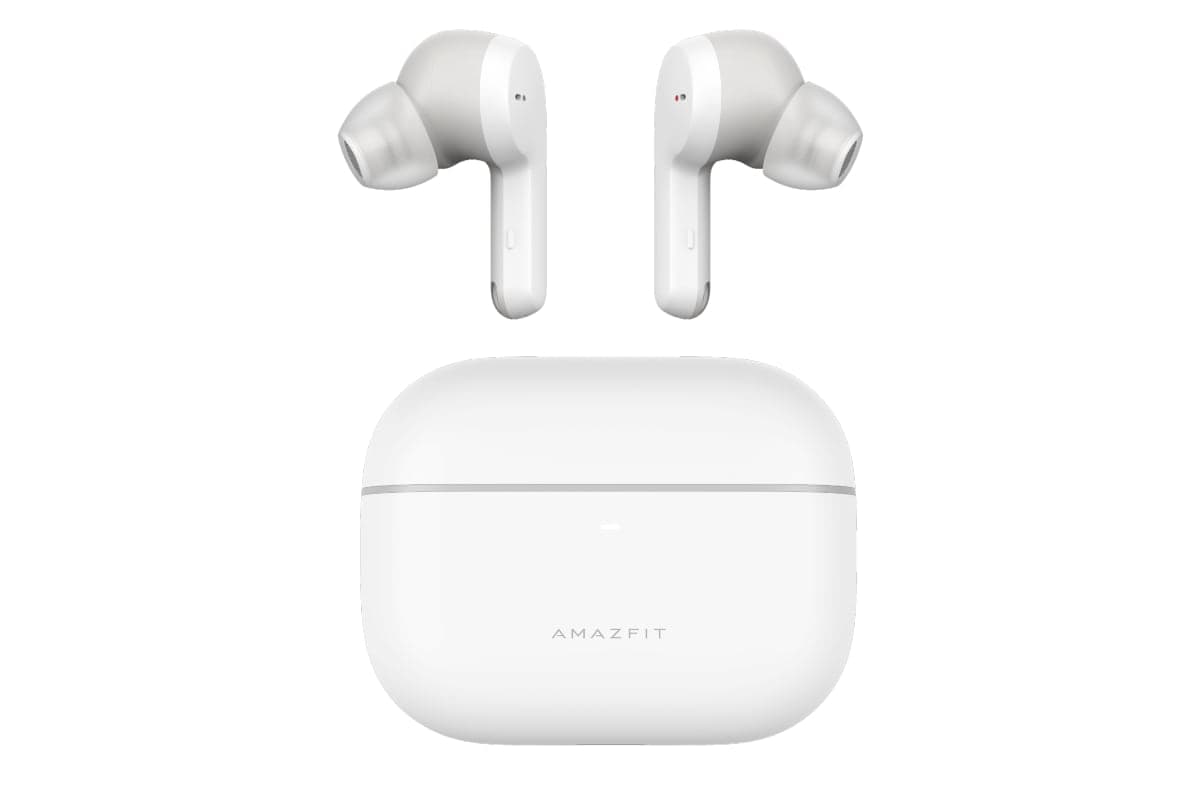
Amazfit PowerBuds Pro
Amazfit PowerBuds Pro is the value-oriented pick for earbuds with integrated heart rate and cadence sensors, delivering long battery life, solid cadence detection and tight integration with the Zepp/Amazfit health ecosystem at a noticeably lower price than many premium rivals. Technically it often sacrifices some audio refinement and ultra-low-latency sensor fusion found in Jabra or Sennheiser for better battery-per-dollar and broader health-data tracking, making it a cost-effective option for budget-conscious athletes. Against the rest of this list, Amazfit’s financial advantage is clear: you get competent sensor features and extended runtime for substantially less outlay.
What research says and why it matters
Scientific studies and product validations help explain how and when ear-based heart rate and cadence monitoring work best. In-ear PPG sensors measure blood volume changes using light, while internal motion sensors estimate cadence and stride. Research shows that ear PPG can be more resilient to wrist motion artifacts and, under many conditions, deliver heart rate readings close to chest-strap measurements for steady and moderate intensity exercise. Cadence estimates from ear motion sensors are effective for running and many indoor workouts, though extreme vibration, erratic head motion, or very loose fit can reduce accuracy. Understanding these strengths and limitations helps buyers pick earbuds that match their training style and environment.
Ear PPG vs chest strap: Multiple validation studies report that in-ear optical sensors often track heart rate within an acceptable range for training zones during steady state and interval sessions, though accuracy can vary during very rapid changes in effort.
Ear PPG vs wrist PPG: Research indicates ear sensors are generally less affected by arm movement than wrist sensors, improving reliability for running and high cadence activities.
Cadence from motion sensors: Internal accelerometers and gyroscopes in earbuds can detect step and pedal rhythm reliably for most runners and cyclists; algorithms are key to translating motion into accurate cadence.
Fit and contact matter: Studies and manufacturer tests show that secure, consistent ear fit reduces motion artifact and improves both heart rate and cadence data quality.
Practical benefit: Real-time biometric feedback delivered to phones and apps supports better pacing, interval control, and workout adherence, which can improve training outcomes when data are used to guide sessions.
Frequently Asked Questions
Which earbuds with heart rate and cadence sensors fit me best?
Choose Amazfit PowerBuds Pro if you want integrated PPG heart-rate and cadence detection with ANC, because it includes continuous tracking plus workout metrics, has a 3.9 rating, costs $78.01, and pairs with the Zepp/Amazfit app ecosystem.
Do Amazfit PowerBuds Pro earbuds measure cadence and heart rate?
Yes—Amazfit PowerBuds Pro has a built-in PPG heart-rate sensor with continuous tracking and workout metrics including cadence detection, and it’s rated 3.9 with a $78.01 listing price.
Is Amazfit PowerBuds Pro better value than AirPods Pro 2?
Amazfit PowerBuds Pro costs $78.01, while Apple AirPods Pro 2 (USB-C) is $199.99; Amazfit includes built-in heart-rate and cadence sensors, while AirPods Pro 2 has no built-in heart-rate or cadence sensors, despite a 4.7 rating.
Which of these earbuds have built-in heart-rate and cadence sensors?
Only Amazfit PowerBuds Pro includes built-in PPG heart-rate sensing with cadence detection; Apple AirPods Pro 2 (USB-C) and Samsung Galaxy Buds FE do not include integrated heart-rate or cadence sensors, rated 4.7 and 4.4 respectively.
Conclusion
In the USA market for 2026, fitness earbuds with integrated heart rate and cadence sensors offer a compelling alternative to separate biometric accessories. The seven top options covered on this page — Amazfit PowerBuds Pro, Apple AirPods Pro 2 (USB-C), Samsung Galaxy Buds FE, Jabra Elite 8 Active, Beats Fit Pro, Bose Ultra Open Earbuds, and Shokz OpenFit 2 — span the needs of runners, cyclists, and gym users who want consolidated audio and tracking. For most dedicated fitness users who value accurate sensor data, durable sport fit, and broad app compatibility, the Jabra Elite 8 Active stands out as the best overall choice among these models. I hope you found what you were looking for; you can refine or expand your search using the site search to compare battery life, waterproof ratings, platform compatibility, or price to match your exact training needs.