Top 3 Bike Computers and Cycling Sensors for Fitness in the USA — 2026 Picks
Published on Tuesday, January 27, 2026
Bike computers and cycling sensors have become essential tools for anyone using cycling as a fitness strategy, from casual commuters to competitive athletes. In the USA market for 2026, these devices blend accurate performance metrics, navigation, and seamless app integration to help riders train smarter, monitor health, and stay safer on the road. Consumers increasingly choose systems that offer reliable GPS and multi band GNSS positioning, power and cadence measurement, heart rate monitoring, wireless connectivity (ANT Plus and Bluetooth), long battery life, and easy syncing with popular platforms such as Strava and TrainingPeaks. Buyers value accuracy, ease of use, durable weatherproof designs, and ecosystem compatibility that supports both outdoor rides and indoor trainer sessions. Rising trends include more affordable power meters, onboard coaching powered by AI, improved crash detection and incident reporting, and tighter integration with e bike systems. These shifts reflect American riders priority on measurable progress, convenience, and safety when selecting bike computers and sensors.
Top Picks Summary
The Garmin Edge 840 is a compact, performance-focused GPS bike computer that packages advanced training features, safety integrations and touch navigation into a lighter, more affordable form than the 1040 Solar. It earns its position by offering many of Garmin's high-end analytics and routing capabilities at reduced cost and size, making it a better fit than the 1040 for riders who want pro features without flagship bulk, while still outpacing Wahoo's and Hammerhead's mid-range training datasets. For competitive cyclists who want sophisticated metrics and customizable training in a smaller unit, the Edge 840 is a strong technical and financial compromise among GPS bike computers.
Show More GPS Bike Computers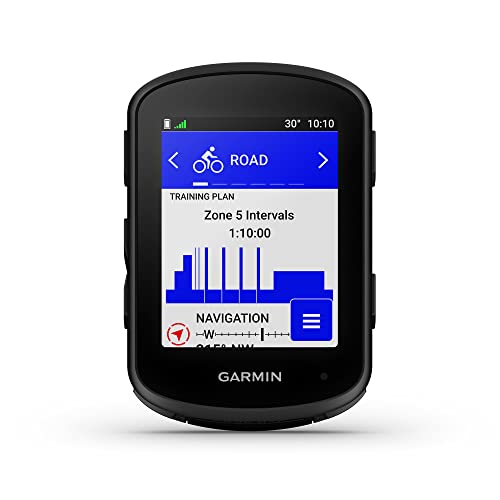
The Magene S3+ Speed/Cadence Sensor positions itself as the best-value combo for riders wanting both speed and cadence in one compact, magnetless unit; its price-to-function ratio is often more attractive than single-function sensors from the big brands. While Magene lacks the brand recognition and extended support of Garmin or Wahoo, it delivers practical dual-protocol compatibility and simplified mounting that suits commuters and recreational cyclists looking to equip phone or bike computers affordably.
Show More Cycling Power Meters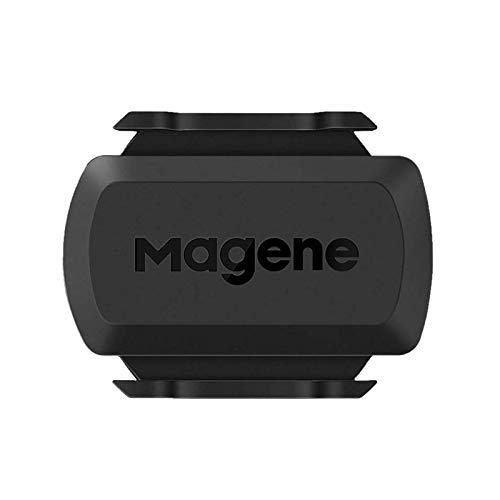
The Garmin Quarter Turn to Friction Mount Adapter is an OEM replacement that ensures perfect fit and reliable connection for Garmin bike computers, making it the go-to low-risk option for repairs or upgrades. It’s typically more affordable than premium aftermarket mounts like K-Edge while preserving Garmin’s intended alignment and electrical/pass-through tolerances, which is important when mixing sensors and accessories from different brands in this Mount Adapters, Replacement Parts and Hardware for Bike Computers and Cycling Sensors set.
Show More Speed Sensors for Bike Computers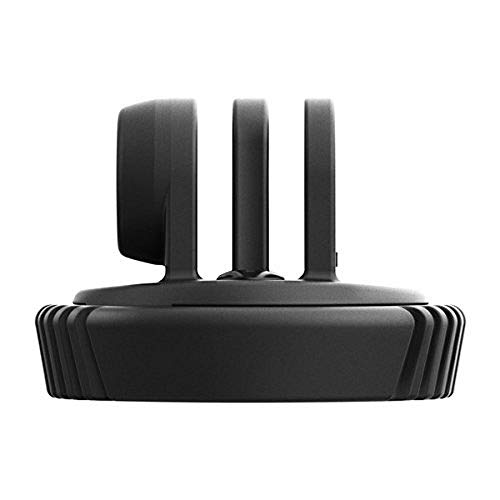
What Research and Evidence Say About Benefits
A growing body of sport science and applied research supports the benefits of using bike computers and cycling sensors for fitness. Peer reviewed work in journals and applied studies from exercise science groups show that objective feedback from power meters, heart rate monitors, cadence sensors, and modern GNSS units helps riders structure training, track progress, and reduce overtraining. Sensor data also improves pacing and interval accuracy, which can lead to better fitness gains than relying on perceived effort alone. In addition, advances in GNSS and multi band positioning have improved route tracking accuracy, making navigation and ride analysis more reliable. The following bullet points summarize accessible, beginner friendly findings from the literature and applied testing.
Power based training enhances training specificity: studies and applied coaching evidence indicate that power metrics allow precise control of training intensity and can accelerate improvements in cycling performance compared with relying only on heart rate or perceived exertion.
Heart rate and heart rate variability are useful for load monitoring and recovery: research supports using HR and HRV trends to detect fatigue and guide recovery decisions, lowering the risk of overtraining.
Cadence affects efficiency and comfort: biomechanics research shows cadence influences muscle fatigue and metabolic cost, making cadence sensors valuable for optimizing pedaling strategy.
GNSS and GPS accuracy matter for reliable data: lab and field tests demonstrate that modern multi band GNSS receivers reduce positional error, improving ride mapping, segment comparisons, and navigation confidence.
Data driven adherence improves outcomes: behavioral studies suggest that real time feedback and goal tracking via devices and companion apps increase training consistency and motivation for many users.
Safety and incident detection technologies have real world benefits: evaluations of crash detection and live tracking features indicate they provide faster aid and peace of mind, especially for solo riders.
Frequently Asked Questions
Should I buy Garmin Edge 840 or sensors instead?
Choose the Garmin Edge 840 if you want a compact GPS bike computer with full mapping and Strava Live Segments plus ClimbPro and comprehensive training status; it has a 4.5 rating and costs $449.99 USD(10% off).
What exact mapping and routing features does Edge 840 have?
Garmin Edge 840 offers full mapping, Strava Live Segments support, ClimbPro, and Multi-band GNSS with cycling-specific routing for precise position tracking; it’s rated 4.5 and lists for $449.99 USD
Is the Wahoo RPM Speed Sensor good value at $54.95?
Yes—Wahoo RPM Speed Sensor is just $54.95, rated 4.6, and includes both Bluetooth and ANT+ support plus a tool-free, quick-release attachment for easy installation and removal.
Will Favero Assioma DUO work with my ANT+ and Bluetooth head units?
Favero Assioma DUO is described as having open ANT+/Bluetooth compatibility, with true dual-sided power measurement claimed at ±1% accuracy; it’s rated 4.6 and costs $624.99.
Conclusion
Whether you are upgrading from a basic cycle computer or building a full sensor suite for structured training, the top 7 picks for 2026 reflect the features most USA riders value: accuracy, connectivity, battery life, and compatibility with training platforms. We hope this overview helped you zero in on the right device. If you want to refine results by price, sport type, or features, use the site search to expand or narrow your options.