Top 7 Equine Deworming and Parasite Control Products in the USA for 2026
Published on Thursday, February 26, 2026
This category covers equine deworming and parasite-control solutions available in the United States through 2025 and highlights the leading options for 2026. It includes oral pastes, drenches, pour-ons, and integrated rotational or targeted programs aimed at common parasites such as strongyles, tapeworms and bots. Consumer demand in the U.S. has shifted from blanket, calendar-based schedules to evidence-based, monitoring-driven strategies. Horse owners and veterinarians increasingly prioritize fecal egg count (FEC)-guided protocols, resistance management, ease of dosing, safety profiles, and combination therapies that broaden parasite coverage. Products that integrate clearly labeled dosing, proven efficacy, professional support, and compatibility with FEC-based programs are especially appealing in regional markets where seasonal grazing patterns and local parasite pressures shape practical deworming decisions.
Top Picks Summary
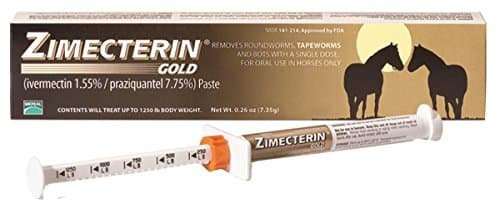
Zimecterin Gold (Merial)
Zimecterin Gold combines ivermectin with praziquantel to deliver broad-spectrum control of large and small strongyles, bots and tapeworms, making it a go-to branded option for comprehensive seasonal control. It holds its position by offering single-dose convenience and strong market recognition, though it shares its technical profile with other ivermectin+praziquantel pastes (such as Equimax) and is less persistent against encysted cyathostomes than moxidectin-based products like Quest Plus. Compared with fenbendazole regimens (Panacur PowerPac or SafeGuard), Zimecterin Gold is simpler to use but may be priced at a premium for equivalent parasite coverage except for encysted larvae.
What the Research Shows About Evidence-Based Equine Parasite Control
Scientific research and professional guidelines support targeted, FEC-guided parasite control as a strategy to maintain horse health while slowing anthelmintic resistance. Studies and consensus statements from veterinary parasitology and equine medicine communities show that monitoring parasite egg shedding, using appropriate drug classes when needed, and combining pharmaceutical control with pasture management reduce overall drug use and maintain long-term efficacy. Evidence also highlights differences in drug class performance and the growing prevalence of resistance in certain parasite populations, which makes program design and veterinary oversight critical.
Fecal egg count (FEC)-guided deworming reduces unnecessary treatments and helps preserve drug effectiveness, as demonstrated in multiple controlled studies and professional guidelines.
Macrocyclic lactones (for example, ivermectin and moxidectin) remain highly effective against many parasites, but resistance concerns and management guidelines recommend judicious use.
Benzimidazole-class drugs (fenbendazole, albendazole) have recorded resistance against small strongyles (cyathostomins) in many regions, so single-use and PowerPac-style dosing should be used based on FEC results and veterinary advice.
Tetrahydropyrimidines (pyrantel) offer useful options for some parasite groups, but efficacy varies regionally and with resistance patterns.
Combination therapies and products that include agents targeting tapeworms and bots can simplify programs, but they should be integrated into a monitoring-driven plan rather than used on fixed schedules.
Complementary management measures such as manure removal, pasture rotation, stocking management, and seasonal timing reduce parasite challenge and extend anthelmintic utility.
Frequently Asked Questions
Which dewormer should I choose for strongyles and tapeworms?
Zimecterin Gold (Merial) is a good all-around pick for strongyles and tapeworms because it combines ivermectin plus praziquantel for broad-spectrum control including bots and tapeworms, with an average rating of 4.8.
What does Quest Plus Gel target with moxidectin and praziquantel?
Quest Plus Gel (Zoetis) contains moxidectin plus praziquantel, with key capability of persistent activity and tapeworm control, and it’s positioned for better control of encysted small strongyles versus ivermectin-based products.
Is Panacur PowerPac worth $87.99 compared to single-dose pastes?
Panacur PowerPac (Merck) is $87.99 for a five-day fenbendazole PowerPac regimen that specifically targets encysted small strongyles, which single-dose products may miss, and it has a 4.5 average rating.
How is Zimecterin Gold different from targeted five-day protocols?
Zimecterin Gold (Merial) is a single-dose oral paste for straightforward on-farm administration, while Panacur PowerPac (Merck) is a five-day fenbendazole protocol meant for strategic treatment when resistance is suspected.
Conclusion
In the U.S. context, the top seven products on this page represent the tools most commonly used in modern, monitoring-driven deworming programs: Zimecterin Gold (Merial), Panacur PowerPac (Merck), Quest Plus Gel (Zoetis), Strongid P (Zoetis), Equimax Paste (Bimeda), SafeGuard Paste (Merck), and AbIver Plus (Aurora Pharmaceutical). Each product has a role depending on FEC results, target parasites, and regional resistance issues. Many equine health professionals favor Zimecterin Gold for broad-spectrum coverage and ease of integration into FEC-guided programs, but the best choice always depends on your horse's FEC profile and veterinary guidance. I hope you found what you were looking for — you can refine or expand your search using the search function to match products to specific parasite concerns, behavioral or herd needs, and local veterinary recommendations.