Equine Antiseptics & Topical Therapies — United States 2025 Guide to Vetericyn Plus, Bickmore Gall Salve, Silver Honey Rapid Wound Repair, Betadine & Corona Multi-Purpose (Evidence-Based Picks for Safer, Faster Healing)
Published on Monday, August 25, 2025
Topical antiseptics, antimicrobial ointments, sprays and barrier creams are essential for infection prevention and skin healing in horses. This category covers products designed for wound cleansing, microbial control, moisture balance and protection from contaminants — from quick field sprays to thicker salves for pressure sores. In United States, equine caregivers increasingly prefer broad-spectrum formulations that minimize irritation and cytotoxicity, natural adjuncts like medical-grade honey and silver, and packaging that supports easy, hygienic application in barns and on the trail. Buyers are motivated by practical needs: reliable infection control to reduce vet visits, fast return to work or turnout, low reactivity for sensitive equine skin, and simple on-the-spot application during variable American weather conditions.
Top Picks Summary
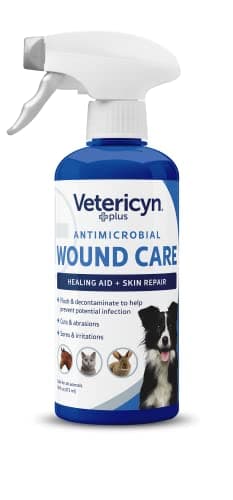
Vetericyn Plus Antimicrobial Wound and Skin Care Spray
Vetericyn Plus is positioned as a veterinary-grade, non-stinging spray that uses stabilized hypochlorous technology to deliver broad-spectrum antimicrobial activity without antibiotics, making it ideal for horses with large or sensitive wounds. It stands out against thicker ointments on this list by offering easy, low-contact application and reduced risk of tissue irritation or antibiotic resistance, which can lower follow-up treatment costs and labor for routine wound management. Compared with heavier barrier salves, its technical advantage is rapid wetting and gentle cleansing, though it may require more frequent application on highly exudative lesions.
What the Research Shows About Topical Wound Care for Horses
Veterinary and wound-care research emphasizes three consistent themes: effective microbial reduction, preservation of healthy tissue, and support for the natural healing process. Modern topical products aim to balance antimicrobial potency with low cytotoxicity so that skin cells and granulation tissue can recover. Several active ingredients and approaches have been repeatedly studied and used in practice for equine wounds and skin conditions.
Hypochlorous acid (HOCl) formulations, like those used in certain sprays, have been shown in veterinary research to reduce bacterial counts while being gentle on healthy tissues, making them suited for repeated field application.
Povidone-iodine (Betadine) is a long-established broad-spectrum antiseptic effective against bacteria, fungi and some viruses; it is commonly recommended for surgical prep and for heavily contaminated wounds, though dilution and contact-time guidance are important to limit skin irritation.
Medical-grade honey and honey-based ointments combine antimicrobial activity with moisture-balancing properties and supportive remodeling of granulation tissue; clinical reports in veterinary practice document improved healing in chronic or difficult wounds.
Colloidal silver and silver-containing dressings/ointments exert antimicrobial effects through silver ions; studies indicate usefulness in reducing bioburden for non-healing wounds, but users should follow label instructions to avoid overuse.
Barrier creams and multipurpose ointments protect skin from friction, moisture and environmental contaminants; their protective physical action is well supported as a prevention strategy for galls, rubs and chafing.
Comparative research highlights the trade-off between antiseptic strength and cell toxicity. Contemporary formulations prioritize low-irritation profiles (for example, buffered iodine or dilute antiseptics) to support faster tissue repair while maintaining microbe control.
Packaging and delivery (sprays, tubes, single-dose applicators) matter: controlled-dose sprays and easy-apply tubes reduce cross-contamination risks in field settings, a practical advantage confirmed by infection-control best practices in veterinary care.
Frequently Asked Questions
Which antiseptic spray is best for sensitive horse wounds?
Vetericyn Plus Antimicrobial Wound and Skin Care Spray is a non-stinging, ready-to-use topical spray with stabilized hypochlorous technology, rated 4.5, for wound cleansing and infection control on large or sensitive wounds, and it’s safe for use on skin, around eyes, and mucous membranes (no antibiotics required).
What exact active technology does Vetericyn Plus use?
Vetericyn Plus Antimicrobial Wound and Skin Care Spray uses stabilized hypochlorous technology, is a non-toxic, ready-to-use topical spray for wound cleansing and infection control, and it has an average rating of 4.5.
How do prices compare for Silver Honey versus Gall Salve?
Silver Honey Rapid Wound Repair Ointment costs $24.09 and is an antimicrobial silver-and-honey ointment for contaminated or slow-healing wounds, rated 4.5; Bickmore Gall Salve costs $27.99 and is a thick, tacky barrier ointment for saddle galls and chafing, rated 4.6.
Which product is better for tack rubs and saddle galls?
Bickmore Gall Salve is formulated as a thick, long-lasting protective, emollient barrier that stays in place for saddle galls, chafing, and raw skin, rated 4.6, with a listing price of $27.99.
Conclusion
In the American context, these five products cover the range of needs you will encounter in 2025: Vetericyn Plus Antimicrobial Wound and Skin Care Spray, Bickmore Gall Salve, Silver Honey Rapid Wound Repair Ointment, Betadine Solution, and Corona Multi-Purpose Ointment. For most everyday field uses where broad antimicrobial action and low irritation are priorities, Vetericyn Plus is the best all-around choice because of its safe, easy-to-apply HOCl-based spray format. Bickmore Gall Salve remains a specialist staple for galls and pressure areas, Silver Honey Rapid Wound Repair Ointment is a strong option for hard-to-heal or chronic wounds, Betadine Solution is preferred for heavily contaminated wounds and surgical prep, and Corona Multi-Purpose Ointment is a versatile barrier and protectant for routine care. I hope you found what you were looking for; if you'd like to refine or expand your search by wound type, active ingredient, or packaging preference, use the search to narrow results or explore related comparisons.