Top 5 Road Training Tires in the USA for 2025: An Expert Buyer's Guide to Durable, Puncture-Resistant Picks
Published on Monday, August 25, 2025
Road training tires are cost-effective, durable tires designed for daily training and high-mileage use where toughness and puncture resistance matter more than ultra-lightweight construction. In USA, riders choose these tires to handle mixed surfaces, seasonal temperature swings, and rough urban or rural roads. Typical road training tires use heavier casings, protective belts, and more robust rubber compounds to extend life and reduce flats. Most riders training regularly opt for widths between 25 mm and 32 mm to strike a practical balance between rolling efficiency, comfort, and puncture protection. The category appeals to commuters, club riders, and serious training cyclists who prioritize reliability, predictable handling in wet conditions, and lower long-term cost per mile over marginal weight savings.
Top Picks Summary
Continental Grand Prix 5000
The Grand Prix 5000 is the performance-focused pick for road training, combining Continental's Black Chili compound and Active Comfort tech to deliver low rolling resistance, sharp handling, and reliable puncture protection. It is the fastest and most refined tire in this list, making it worth the premium for riders who want near-race performance during training compared with the heavier, more protection-oriented options. Its technical advantage (better speed and comfort) justifies a higher upfront cost for riders prioritizing time and efficiency on training rides.
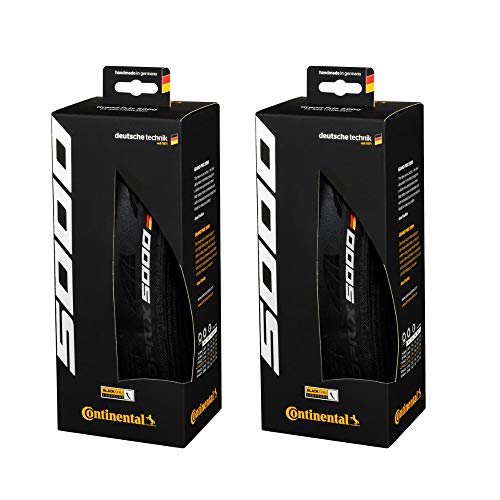
Continental Gatorskin
Gatorskin is the durability and value leader, built with a tough PolyX breaker and reinforced casing to maximize miles between replacements and minimize punctures on training routes. Heavier and slower than the GP5000, it nevertheless delivers a lower cost-per-mile for high-volume training and long commutes, offering a more economical long-term choice than race-focused tires. Compared with the ultra-flat-proof Schwalbe Marathon Plus, Gatorskin strikes a balance of reasonable speed and strong cut resistance at a competitive price.

Schwalbe Marathon Plus
Marathon Plus is the puncture-proof champion, featuring Schwalbe's thick SmartGuard belt that makes it extremely resistant to everyday glass and thorns—ideal for training rides where flats are unacceptable. It is the heaviest and slowest option here, but that trade-off reduces downtime and replacement expense, outperforming both Continental Gatorskin and Specialized Armadillo models in raw puncture protection. For riders who value durability and near-flatless reliability above speed, Marathon Plus uniquely minimizes long-term maintenance costs.

Vittoria Rubino Pro IV
The Rubino Pro IV is the budget-friendly training tire designed for riders seeking balanced performance, reasonable grip, and serviceable durability without the premium price of race tires. It provides better rolling efficiency and lighter weight than Marathon Plus and often undercuts the GP5000 on price, making it a practical choice for structured training where replacing worn tires more frequently is acceptable. Technically it won’t match the GP5000’s speed or the Marathon’s puncture immunity, but its low initial cost and dependable performance make it an economical training option.

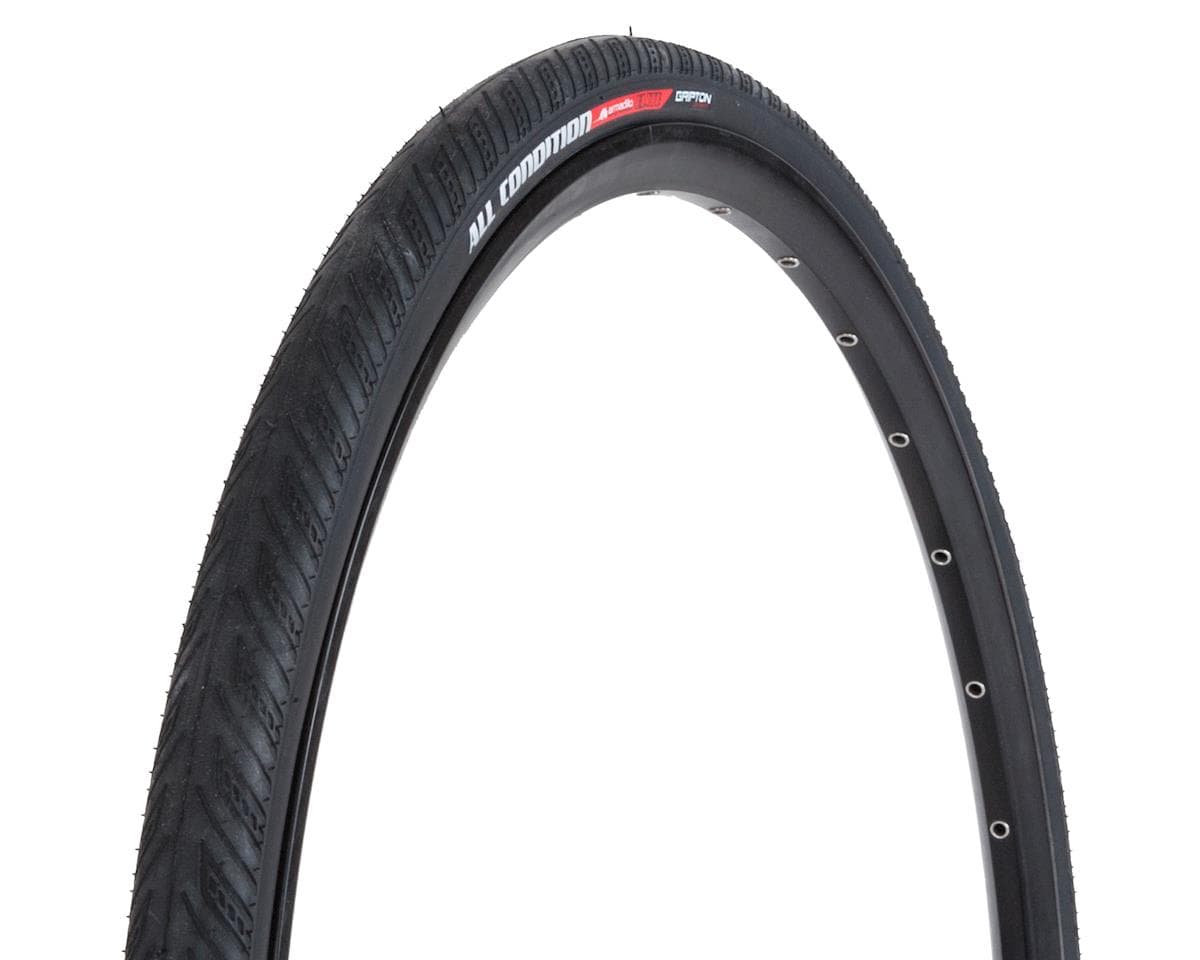
Specialized Armadillo Elite II
Armadillo Elite II occupies a middle ground between protection and speed, using Specialized’s Armadillo puncture-protection belt to keep flats down while retaining a reasonably light casing suitable for training rides. It offers more protection than budget race tires like the Rubino but is lighter and faster than the Marathon Plus, making it a good compromise for riders who want fewer flats without fully sacrificing rolling efficiency. Financially, it presents moderate upfront cost and lower downtime compared with the heaviest puncture-proof options, delivering balanced value for regular road training.
What research says about training tire durability and performance
A growing body of lab and field testing clarifies why heavier, protected training tires are often the best practical choice for high-mileage use. Independent rolling-resistance tests, puncture-resistance lab trials, and rider field studies help explain the tradeoffs between weight, rolling resistance, comfort, and puncture protection. For beginners, the core findings show that wider tires run at modestly lower pressures can be both faster in real-world conditions and more comfortable, while puncture belts and thicker casings measurably reduce flat rates at the cost of some extra grams.
Wider tires at appropriate pressures can lower rolling resistance on rough surfaces by creating a shorter, wider contact patch; several independent tests indicate this effect makes 25 mm to 28 mm tires often quicker in real-world conditions than very narrow, high-pressure tires.
Puncture protection layers and reinforced belts reduce flat rates in controlled tests and long-term field use; these layers increase durability and are especially beneficial on roads with glass, metal debris, or rough edges.
Casing construction and threads per inch (TPI) represent a tradeoff: lower TPI and thicker rubber increase durability and puncture resistance, while higher TPI gives a more supple ride and slightly better rolling efficiency at the expense of durability.
Rubber compound and tread design influence wet-weather grip and wear. Compounds engineered for training tires favor longevity and consistent braking over peak cornering grip.
Independent resources such as Bicycle Rolling Resistance and published test protocols used by reputable labs provide repeatable comparisons for rolling resistance and puncture resistance; look for tests that include a variety of surfaces and simulated road debris.
Real-world mileage and flat rates depend on rider conditions, but deliberate selection of a training tire matched to local road quality and riding style reliably lowers maintenance time and total ownership cost.
Frequently Asked Questions
Which tire should I buy for road training comfort?
Choose the Continental Grand Prix 5000 for road training comfort: it uses Black Chili for low rolling resistance, Active Comfort construction to reduce vibration, and has a 4.6 average rating.
What puncture protection does Continental Grand Prix 5000 use?
The Continental Grand Prix 5000 uses a Vectran Breaker layer for high puncture protection with minimal weight penalty, and it’s rated 4.6.
Is Schwalbe Marathon Plus worth the cheaper price?
Schwalbe Marathon Plus costs $59.80 USDwith a 4.6 average rating, and it includes a thick SmartGuard protective belt for exceptional resistance to flats from road debris.
Will Continental Gatorskin handle rough daily training roads?
Yes—Continental Gatorskin is built with a PolyX Breaker and DuraSkin sidewall protection to resist cuts and punctures, and it averages a 4.4 rating.
Conclusion
In the American context, a purposeful training tire choice helps you ride more consistently through variable pavement and weather. The five models highlighted on this page — Continental Grand Prix 5000, Continental Gatorskin, Schwalbe Marathon Plus, Vittoria Rubino Pro IV, and Specialized Armadillo Elite II — cover the spectrum from performance-oriented durability to near-indestructible commuter protection. For most American riders who want a practical balance of puncture resistance, longevity, and acceptable rolling performance, the Continental Gatorskin stands out as the best choice among these five thanks to its proven track record of durability and predictable handling on rougher roads. I hope you found what you were looking for; you can refine or expand your search using the site search to compare widths, casing types, or price points and find the exact training tire that fits your mileage goals.