Top 7 Recycled-Material Fleece Mid Layers for Camping and Hiking in the USA — 2026 Picks
Published on Wednesday, February 25, 2026
Fleeces made from recycled fibers reduce environmental impact while delivering comparable warmth and durability to virgin materials. In the USA market for camping and hiking mid layers, recycled-material fleece jackets have become a go-to for eco-conscious outdoor enthusiasts who want reliable thermal performance without sacrificing sustainability. Today’s recycled fleeces combine high recycled polyester content, optimized knit structures like grid and brushed fleece, and targeted design features such as full-zip access, hoods, and articulated sleeves to balance thermal efficiency, breathability, weight, and packability. Buyers prioritize a mix of measurable sustainability credentials — recycled content percentage, transparent supply chains, certifications, and lower lifecycle emissions — plus field-proven performance for weekend hikes in the Rockies, backcountry ski tours, and urban-to-trail commutes. Trends through 2026 emphasize higher recycled content, improved traceability, reduced use of high-impact chemicals, and engineering that limits microplastic release while preserving softness, loft, and long-term durability.
Top Picks Summary
Patagonia R1 Air Full-Zip Hoody
The Patagonia R1 Air Full-Zip Hoody stands out as a best-in-class recycled-material fleece mid layer for camping and hiking thanks to its high breathability and lightweight, high-recycled-content knit that balances moisture management and thermal regulation on active approaches. It is more technically tuned for aerobic use than most pieces on this list, offering superior next-to-skin comfort and durability that justify a premium price compared with more lifestyle-oriented or budget competitors like Columbia and REI Co-op.

Arc'teryx Covert Cardigan
The Arc'teryx Covert Cardigan is a market-leading, premium recycled fleece mid layer that blends technical fabric performance with refined, urban-to-trail styling—making it a top pick for hikers who want a polished look off the trail without sacrificing warmth. While pricier than The North Face or REI options, its tailored fit, premium fabrication and finishing details deliver a longevity and fit advantage that can be financially sensible for buyers who value durability and versatility across use cases.

The North Face Canyonlands Full-Zip Jacket
The North Face Canyonlands Full-Zip Jacket offers a practical, durable recycled fleece mid layer for camping and hiking that emphasizes all-around utility—roomy pockets, a full zip for ventilation control, and rugged construction for extended outdoor use. It presents a strong value proposition relative to designer-priced rivals like Arc'teryx and Patagonia by delivering solid technical performance and weather-resistant details at a more approachable price point.

REI Co-op Trailsmith Fleece Jacket
The REI Co-op Trailsmith Fleece Jacket is a budget-conscious, sustainably-minded mid layer that uses recycled materials and delivers dependable warmth and practical features for multi-day hikes and basecamp use. Its financial advantages are clear—lower street price combined with REI's member benefits and warranty—making it an excellent entry option compared with higher-cost, more technical pieces like the Patagonia R1 Air or the Arc'teryx Covert.
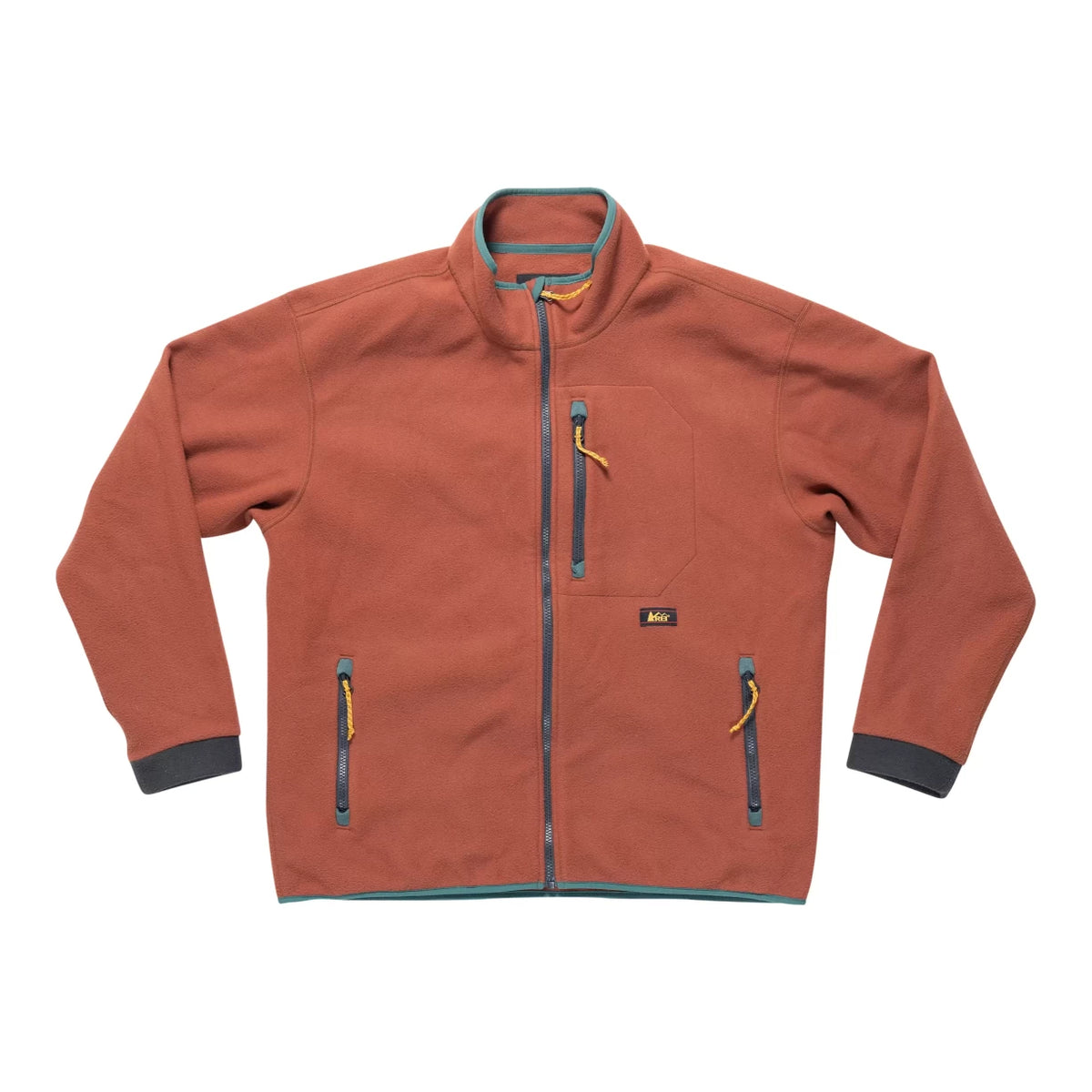
Outdoor Research Vigor Grid Fleece Hoodie
The Outdoor Research Vigor Grid Fleece Hoodie is chosen for technical versatility, using a recycled-grid fleece that enhances breathability and moisture transport while keeping bulk low—ideal for active hiking where heat regulation matters. Technically it sits between the heavily breathable R1 Air and the warmth-first Covert: the grid pattern gives superior venting during climbs but better insulation when stopped, delivering performance-oriented value for midweight layering. For cost-conscious technical users, it offers a compelling balance of active comfort and durability compared with both premium and basic alternatives.

Cotopaxi Teca Fleece Full-Zip Jacket
The Cotopaxi Teca Fleece Full-Zip Jacket differentiates itself as a colorful, sustainably focused recycled fleece mid layer that pairs durable warmth with strong ethical sourcing and a distinctive aesthetic for trail and camp use. Priced in the mid-range, it competes on social-impact credentials and eye-catching design more than on pure technical breathability, making it a great choice for hikers who want sustainability and style alongside functional performance.

Columbia Sweater Weather Full Zip
The Columbia Sweater Weather Full Zip is the most affordable recycled-material fleece mid layer in this group, offering dependable warmth and an easygoing fit suited to casual hikes and campsite evenings. While it lacks some of the high-end technical refinement and tailored fit of the Patagonia and Arc'teryx models, its low cost and broad availability make it a practical financial choice for shoppers prioritizing budget and everyday comfort.

Why recycled fleece works: research and simple takeaways
Scientific studies and lifecycle assessments show that recycled polyester-based fleeces often offer environmental advantages over virgin polyester, while matching or closely approaching the thermal and durability properties users expect from traditional fleeces. Research in textile lifecycle assessment, environmental chemistry, and material science has examined greenhouse gas emissions, energy and water use, and end-of-life impacts. The evidence supports using recycled feedstocks to reduce the carbon footprint of fleece garments, provided durability and responsible manufacturing practices are maintained. Practical implications for consumers include choosing items with verified recycled content, certifications that confirm processing standards, and construction features that increase longevity and reduce the need for replacement.
Thermal performance: Laboratory tests and material studies show recycled polyester has similar insulating properties to virgin polyester when knit and finished the same way, so recycled fleeces can deliver the same warmth-to-weight ratio.
Lower lifecycle emissions: Peer-reviewed lifecycle assessments indicate recycled polyester can reduce greenhouse gas emissions and energy use compared with virgin polyester, depending on the recycling process and transportation distances.
Durability matters: Durability and longevity are key to realized environmental benefit; garments that last longer reduce per-use impact even if their initial manufacturing footprint is modestly different.
Microfiber shedding: Studies note that all synthetic fleeces can shed microfibers; recycling reduces virgin polymer demand but does not eliminate shedding—washing practices and fabric construction influence release rates.
Certifications and transparency: Certifications such as GRS, bluesign, OEKO-TEX, and supplier-level reporting help verify recycled content and chemical management to reduce hidden impacts.
Design solutions: Grid fleece and brushed-face constructions improve breathability and trapping of insulating air layers, while zippered vents, hoods, and articulated cuts enhance real-world comfort and versatility.
Frequently Asked Questions
Which recycled fleece mid layer is best for active hikers?
Patagonia R1 Air Full-Zip Hoody is best for active hiking because it has lightweight recycled polyester fleece with a grid-face interior for fast drying plus an athletic slim cut for high-output pursuits, rated 4.6.
Does the Patagonia R1 Air hoody breathe and dry quickly?
Yes—the Patagonia R1 Air Full-Zip Hoody uses lightweight recycled polyester fleece with a grid-face interior that breathes and dries quickly, and it has an average rating of 4.6.
Is the North Face Canyonlands worth the lower price?
The North Face Canyonlands Full-Zip Jacket is $62.98 USD(31% off) and delivers a full-zip recycled fleece with zippered hand pockets and a casual fit; it’s rated 4.4.
What warranty coverage comes with Arc'teryx Covert Cardigan?
Warranty duration isn’t listed for the Arc'teryx Covert Cardigan, but it does have an average rating of 4.5 and a listing price of $167.67 USD(30% discount).
Conclusion
This collection highlights seven top recycled-material fleece mid layers chosen for performance, sustainability, and real-world versatility in the USA: Patagonia R1 Air Full-Zip Hoody, Arc'teryx Covert Cardigan, The North Face Canyonlands Full-Zip Jacket, REI Co-op Trailsmith Fleece Jacket, Outdoor Research Vigor Grid Fleece Hoodie, Cotopaxi Teca Fleece Full-Zip Jacket, and Columbia Sweater Weather Full Zip. For a best overall choice that balances lightweight warmth, breathability, strong recycled content, and proven field performance, the Patagonia R1 Air Full-Zip Hoody stands out. If you did not find exactly what you needed here, I hope this guide pointed you in the right direction — you can refine or expand your search by filtering for recycled content percentage, weight class, hooded versus non-hooded styles, or certifications to match your preferred use and values.