Four-Season Two-Person Double-Wall Backpacking Tents in the United States (2025) — Expert Guide to the Top 5 Models for Alpine Safety, Wind Resistance and Winter Comfort
Published on Monday, August 25, 2025
Heavy-duty double-wall tents designed to withstand winter storms, high winds, and snow load with reinforced poles and more robust fabrics are the foundation of safe alpine travel. This category covers two-person, four-season double-wall backpacking tents built for alpine, winter, and extended cold-weather expeditions where protection and structural stability matter most. American buyers prioritize proven wind and snow performance for environments that range from the Coast Mountains and the Rockies to Arctic and subarctic regions. Key consumer preferences include proven pole geometry (geodesic or semi-geodesic), high-denier ripstop fabrics and coatings for snow-shedding and tear resistance, roomy vestibules for gear and stove use, reliable ventilation systems to reduce condensation, repairability and spare-parts availability, and a balanced weight-to-strength ratio for technical approaches. Recent market trends in the USA toward stronger but lighter alloys, more durable coatings, and a focus on sustainability and repairability have raised expectations for expedition-grade two-person tents in 2025.
Top Picks Summary
Mountain Hardwear Trango 2
The Trango 2 is a rugged, proven four-season two-person double-wall tent prized for its bomber pole geometry and roomy interior, making it a reliable choice for harsh winter mountaineering. In this roundup it holds a best-in-class value position—offering stormworthy technical performance comparable to premium models but at a more accessible price than Hilleberg, trading some pack weight for durability versus lighter options like the MSR Remote 2 and Exped Orion II Extreme.

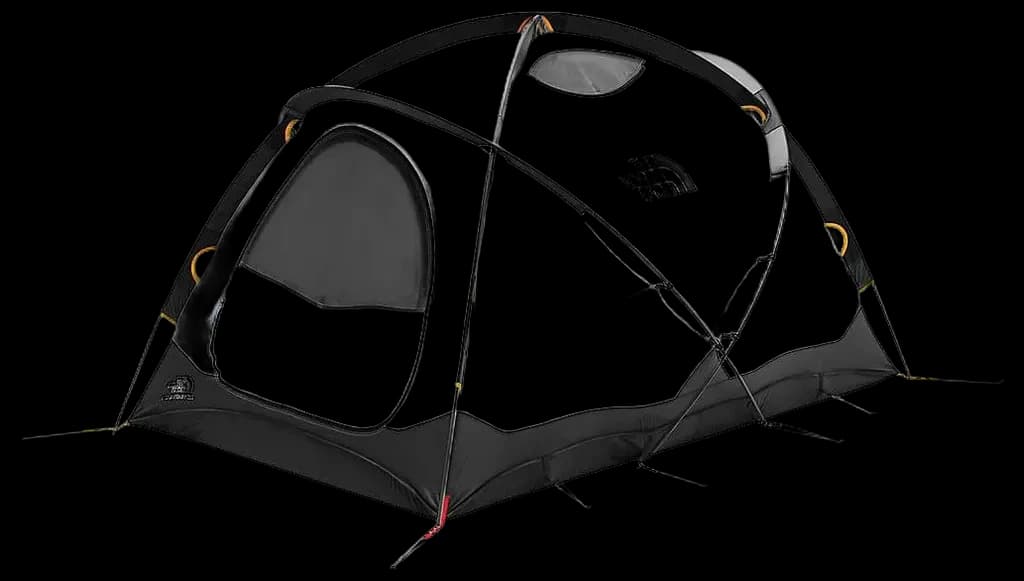
The North Face Mountain 25
The Mountain 25 is a classic mountaineering two-person double-wall tent known for straightforward pitching, large vestibules and long-term durability tailored to four-season use. It occupies the traditional heavy-duty end of the spectrum alongside the Trango 2, favoring extra living space and ruggedness over ultralight metrics—typically costing less than top-tier Hilleberg models while offering more comfort than many purely weight-focused designs.
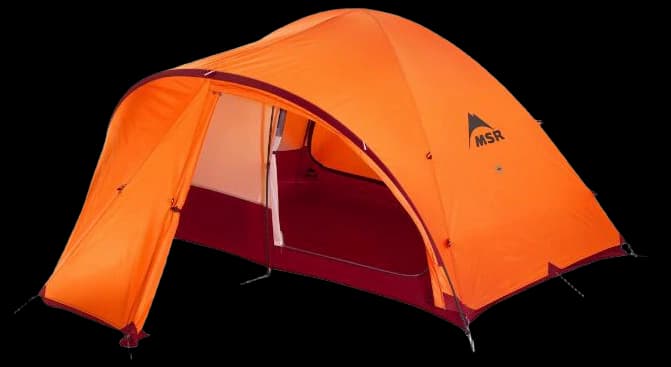
MSR Remote 2
The MSR Remote 2 strikes a strong balance of weight, strength and affordability for a four-season two-person double-wall tent, engineered with efficient pole layouts and serviceable materials for alpine users. Compared with the bulkier Mountain Hardwear and North Face options it prioritizes packability and technical performance, and while it competes with Exped on weight it usually comes with broader field-repair support and a lower price tag than Hilleberg's premium offerings.
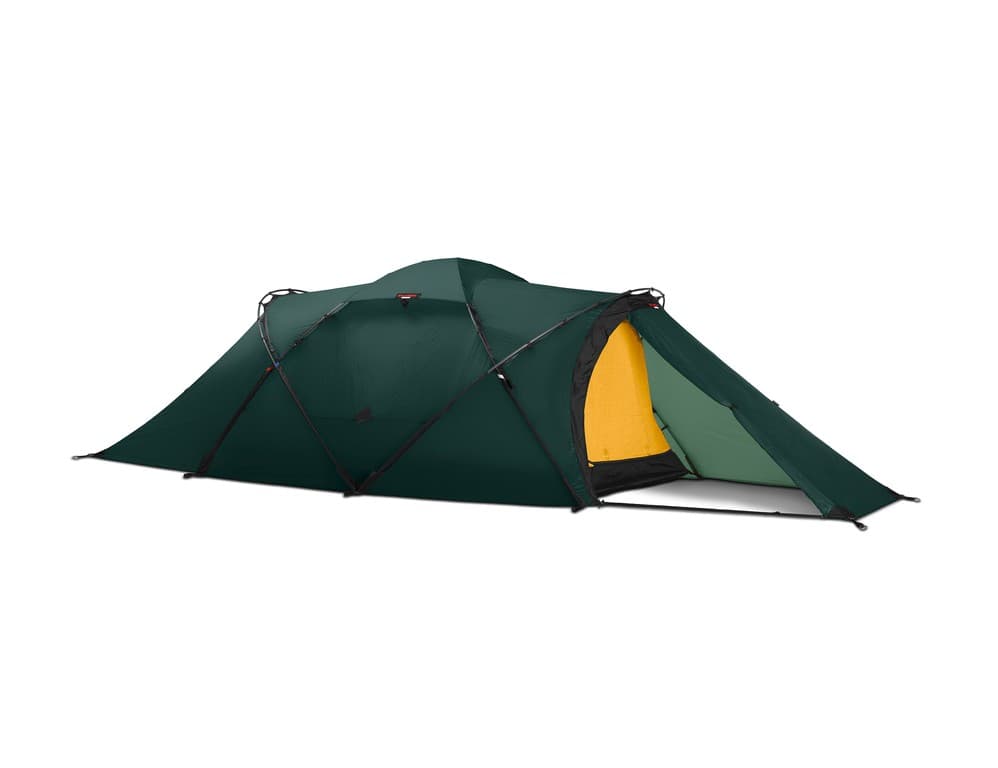
Hilleberg Tarra
The Tarra represents the market-leading, premium choice in four-season two-person double-wall backpacking tents, delivering top-tier fabrics, meticulous construction and class-leading wind and snow performance that translate into long-term reliability. Although it carries the highest upfront cost in this group, its superior strength-to-weight ratios, longevity and low lifecycle maintenance make it a financially sensible buy for serious alpinists compared with cheaper but heavier or less durable alternatives.
Exped Orion II Extreme
The Orion II Extreme is designed as a compact, expedition-capable two-person double-wall tent that balances low packed volume and livable vestibule space for four-season use. It competes strongly with MSR on packability and modern material choices while generally undercutting Hilleberg on price; compared with the heavier Mountain Hardwear and North Face tents it delivers improved carry convenience without fully sacrificing the robustness needed for winter backcountry travel.

What research and testing say about four-season double-wall tents
A combination of laboratory materials testing, wind-tunnel and structural load testing, and field studies in cold-weather medicine and mountain safety support why double-wall, four-season designs are preferred for winter and alpine use. These sources consistently show that double-wall tents with robust pole geometries and purpose-built fabrics deliver better wind and snow performance, improved condensation control, and greater occupant safety in prolonged cold exposures. The following points summarize beginner-friendly takeaways based on published testing protocols and field research trends.
Condensation control: Double-wall designs that separate the inner breathable tent from the waterproof outer fly consistently reduce interior moisture compared with single-wall tents, lowering damp-sleep risk that can increase hypothermia danger during prolonged cold exposure.
Structural stability: Geodesic and multi-pole frames distribute wind and snow loads more evenly. Lab load tests and field expeditions demonstrate that these geometries resist deformation and reduce peak stress on any single pole junction.
Material performance: Modern high-denier fabrics with silicone or polyurethane coatings increase tear resistance and water-shedding capacity. Tensile and tear tests used by reputable labs show a measurable improvement in puncture and abrasion resistance versus older fabric technologies.
Ventilation and microclimate: Research in mountain medicine emphasizes ventilation to manage moisture and preserve insulation performance of sleeping systems. Purposeful vent placement and vestibule airflow in double-wall tents reduce condensation and maintain thermal comfort.
Trade-offs are quantifiable: Field and lab evaluations show a predictable trade-off between weight and durability. For extreme or prolonged winter use, incremental weight increases typically buy substantial gains in structural strength and longevity.
Practical maintenance: Studies and industry testing recommend carrying repair kits and replacement pole segments; tents with common pole diameter standards and modular parts are easier to service in long expeditions or remote American backcountry trips.
Frequently Asked Questions
Which tent is best for winter mountaineering trips?
Mountain Hardwear Trango 2 is the best pick for harsh winter mountaineering because it’s a proven four-season two-person double-wall tent with freestanding geometry, robust fabrics, and roomy vestibules, rated 4.4.
What does MSR Remote 2 claim for storm stability?
MSR Remote 2 uses low-profile geodesic architecture for excellent storm stability, plus a double-wall setup with vents to manage condensation in cold conditions; it’s rated 4.6.
Is MSR Remote 2 worth the 859.95 price?
At $859.95 USDMSR Remote 2 gives a 4-season two-person double-wall tent with low-profile geodesic storm stability and a double-wall vent setup for cold condensation management, rated 4.6.
How are North Face Mountain 25 vestibules and pitching?
The North Face Mountain 25 includes two vestibules for efficient gear storage and straightforward pitching, with double-wall construction optimized for snow-loading and wind resistance; it’s rated 4.5.
Conclusion
In the American context, these five expedition-grade two-person double-wall tents represent the range of reliable options for winter and alpine travel: Mountain Hardwear Trango 2, The North Face Mountain 25, MSR Remote 2, Hilleberg Tarra, and Exped Orion II Extreme. Each model offers a different balance of weight, strength, ventilation and footprint suited to varied routes and conditions across the United States. For pure expedition reliability and long-term protection in the harshest conditions, the Hilleberg Tarra stands out as the best overall choice among the five due to its proven materials and field-proven design. I hope you found what you were looking for — refine or expand your search by terrain, weight target, vestibule volume, or pole material to narrow the list further using the site search.