Top 7 Backpacking Tents in the USA for 2026: Lightweight Trail Essentials
Published on Tuesday, June 2, 2026
Backpacking tents are lightweight, compact shelters specifically designed for multi-day hikes where minimizing weight and maximizing packability are top priorities. In the USA, where diverse landscapes range from the humid Appalachian Trail to the rugged, windy peaks of the Pacific Crest Trail, outdoor enthusiasts demand tents that offer a minimal footprint, efficient ventilation, and highly durable materials. Consumer preferences have shifted heavily toward ultralight setups that do not compromise on weather resistance or interior livability. Modern backpackers look for innovative fabrics like Dyneema or silnylon, intuitive pole structures for fast pitching, and smart vestibule designs to store gear. This appeal is driven by a growing desire to cover more miles with less fatigue, making a reliable, featherweight tent an absolute necessity for any serious backcountry adventure.
Top Picks Summary
The Copper Spur HV UL1 is a best-in-class one-person backpacking tent because it balances ultralight performance with livable interior space and freestanding convenience, making it easier to pitch than many ultralight single-wall options. Compared with the lighter Nemo Hornet OSMO, it trades a few ounces for greater interior volume and multi-season versatility, and it often represents a strong value versus heavier, more rugged models like the MSR Hubba NX 1 when you want comfort on extended solo trips.
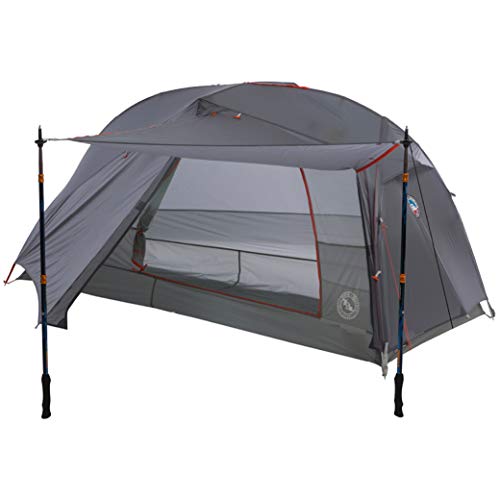
The North Face Stormbreak 2 is marketed as a rugged, budget-friendly two-person double-wall freestanding tent that excels in simple reliability and ease of use, particularly for car-to-trail trips and harsh weather days. It is heavier and less feature-dense than specialized backpacking options like the Copper Spur, Hubba Hubba and Dagger, but it competes strongly on price and durability compared with entry-level models such as the MEC Spark. For users who need a tough, low-cost shelter and are willing to carry extra weight, the Stormbreak 2 offers clear financial and practical advantages.

The Nemo Dagger 3P is chosen when interior comfort and usable space are top priorities, offering generous headroom, smart storage pockets and strong ventilation that make it comfortable for three people on longer trips. Compared with the Copper Spur it often provides more liveable space for a similar or slightly lower price, and versus the Hubba Hubba it tilts toward comfort over the last ounce of weight savings. Its pole configuration and fabric choices provide a good technical compromise between durability and pack weight, giving good value for groups who camp often but don’t want ultralight costs.

Durston Gear's X-Mid Pro 2 earns its spot by blending true two-person livability with ultralight sensibilities: a low-slung, single-wall ridge design that gives generous vestibule and gear space while keeping pack weight down. Compared with the DCF Duplex Zip it generally costs less and trades a small weight penalty for greater abrasion resistance and value per person, and versus solo-focused shelters it offers superior interior space for two-up trips.

$900-1,100 USD
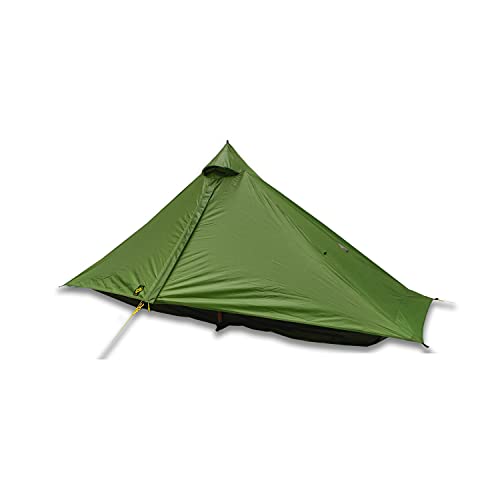
Six Moon Designs' Lunar Solo is a long-running favorite for solo ultralighters because of its straightforward trekking-pole pitch, excellent ventilation and accessible price point; it ranks highly for three-season use thanks to a reliable balance of weight, vestibule space and simplicity. Compared with the Duplex and Notch Li it is often lighter and less costly, though it uses more conventional materials; its proven, no-frills design makes it an economical technical choice for solo hikers who value low weight and easy setup.
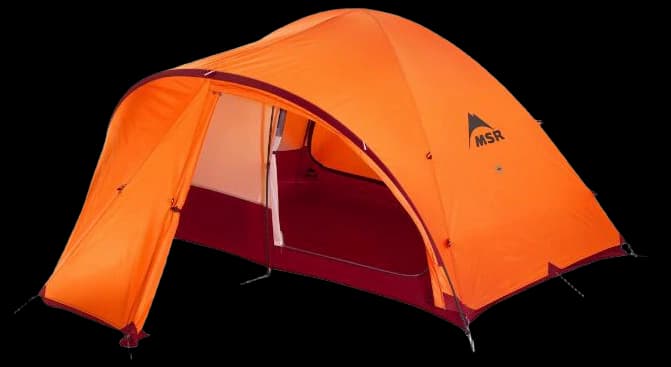
The MSR Remote 2 is a roomy, well-ventilated geodesic four-season mountaineering tent that emphasizes durability and livability during prolonged winter deployments with large vestibules and a rugged pole frame. It occupies a middle ground between budget and premium tiers by offering MSR's proven all-weather performance and storage capacity at a price typically lower than Hilleberg but higher than many Big Agnes and some Black Diamond alternatives.
The Coleman Instant Dome 5 is the budget instant-pitch option that uses pre-attached poles for a very fast family-sized setup — its low price and simple design make it the most affordable choice on this list. Compared with the more technical, backpacking-focused models like the Black Diamond and MSR tents, it sacrifices packability and weather performance in exchange for quick setup and value for car- or campsite-first users.

How to Choose the Perfect Backpacking Tent
The true difference between a great backpacking tent and a mediocre one comes down to the delicate balance of trail weight versus interior livability, and the reliability of its weatherproofing. You must evaluate how much space you are willing to sacrifice to shave off ounces, and whether the denier rating of the fabrics can withstand the specific terrain you plan to tackle.
Check the packaged weight versus the trail weight; trail weight only includes the tent body, rainfly, and poles, which is the true metric for what you will actually carry on your back.
Ignore marketing claims of capacity if you want comfort. A standard two-person backpacking tent is usually only wide enough for two standard sleeping pads with zero room to spare, so size up if you need interior gear storage.
Look for a denier rating of at least 15D to 20D for the rainfly and floor if you want a balance of ultralight performance and tear resistance without needing a heavy footprint.
Prioritize freestanding tents if you frequently camp on rocky terrain or wooden platforms where staking out a non-freestanding tent is difficult or impossible.
Pay attention to the vestibule space and door count. A two-door tent with dual vestibules prevents climbing over your partner in the middle of the night and keeps wet gear outside your sleeping area.
Frequently Asked Questions
Which backpacking tent is best for solo hikers wanting space?
The Big Agnes Copper Spur HV UL1 is the ideal choice for solo hikers because its high-volume pole geometry maximizes interior headroom while maintaining a lightweight, freestanding design.
What is the average user rating for the Nemo Dagger 3P?
The Nemo Dagger 3P holds an average user rating of 4.5 stars, reflecting its popularity for providing generous floor area and tall peak height for three people.
Is the North Face Stormbreak 2 a good budget option?
The North Face Stormbreak 2 is a reliable budget-oriented choice priced at $220.00 USDoffering a robust, freestanding double-wall design that is well-suited for entry-level backpacking and car-to-trail trips.
Does the Nemo Dagger 3P offer enough room for three people?
The Nemo Dagger 3P is specifically designed for three people, featuring a two-door, two-vestibule layout that ensures sufficient gear access, privacy, and circulation for extended backcountry trips.
Conclusion
Whether you are planning a weekend trip to a local state park or a months-long thru-hike across the USA, investing in the right backpacking tent will completely transform your outdoor experience. We hope this guide helped you discover the ideal lightweight shelter to keep you safe and comfortable on the trail. If you need to refine your options or explore different capacities and seasonal ratings, please use the search feature to expand your results and find exactly what you are looking for.