Top 7 One-Person Backpacking Tents in the USA for 2026
Published on Wednesday, February 25, 2026
One person backpacking tents are compact shelters designed for solo hikers who prioritize minimal weight and a small packed size. In the USA, these tents have become essential for fastpacking and thru-hiking on long-distance routes, coastal passages, and alpine ridgelines where every gram and cubic inch matters. American trail conditions — frequent rain along the coast, strong winds in the Rockies, and variable shoulder-season temperatures nationwide — push buyers to balance low weight with reliable weather resistance, adequate vestibule storage for gear, durable materials, and ventilation to reduce condensation. Consumers choose one-person tents because they reduce pack bulk, speed up travel, simplify site selection, and deliver a practical trade-off between livability (headroom, usable floor area, and gear storage) and a small footprint that supports multi-day solo trips and fastpacking objectives.
Top Picks Summary
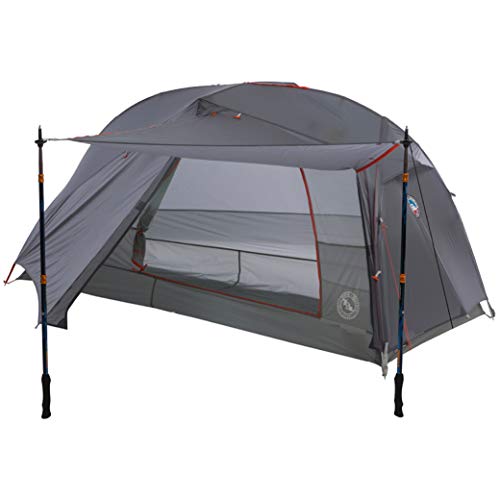
Big Agnes Copper Spur HV UL1
The Copper Spur HV UL1 is a best-in-class one-person backpacking tent because it balances ultralight performance with livable interior space and freestanding convenience, making it easier to pitch than many ultralight single-wall options. Compared with the lighter Nemo Hornet OSMO, it trades a few ounces for greater interior volume and multi-season versatility, and it often represents a strong value versus heavier, more rugged models like the MSR Hubba NX 1 when you want comfort on extended solo trips.
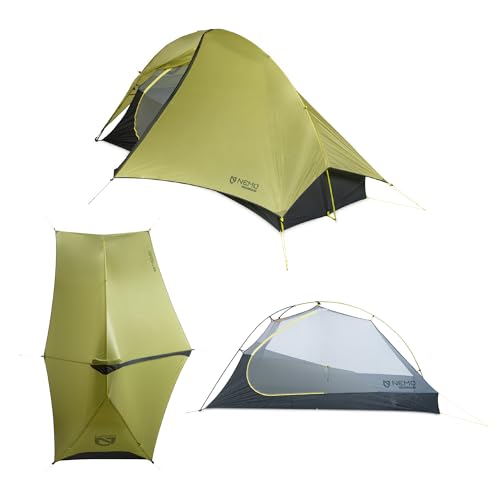
Nemo Hornet OSMO 1P
The Nemo Hornet OSMO 1P stands out as the ultralight specialist on this list, delivering minimal pack weight and a streamlined setup ideal for fastpacking where every ounce matters. It undercuts more spacious freestanding tents like the Big Agnes Copper Spur and MSR Hubba on weight and price for ultralight seekers, though it sacrifices a bit of internal volume and freestanding convenience in exchange for those technical weight savings.
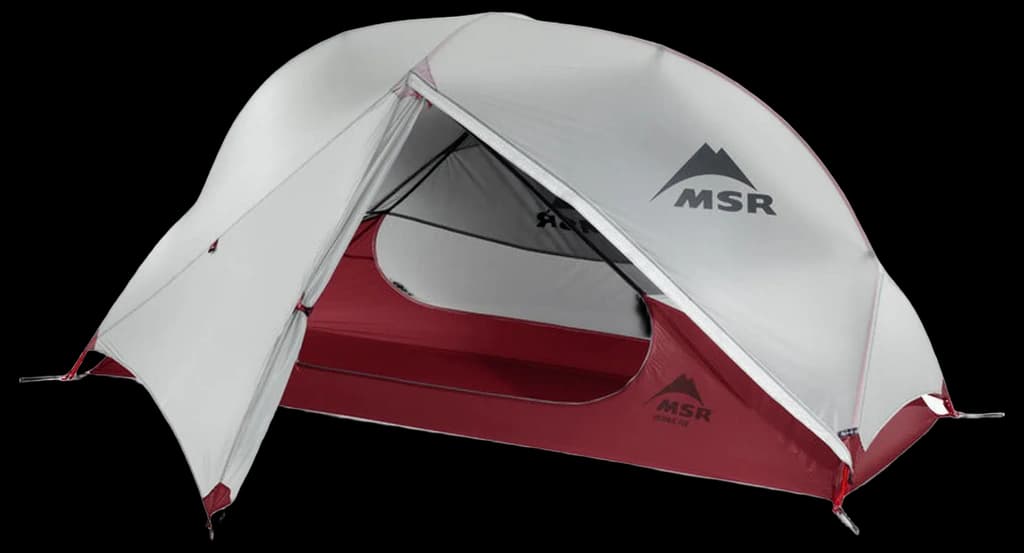
MSR Hubba NX 1
The MSR Hubba NX 1 is the market leader for reliability and durable all-around performance, favored for its sturdy freestanding design, proven weather protection, and excellent customer support. It typically costs a bit more and carries more weight than ultralight alternatives such as the Nemo Hornet OSMO or the Sea to Summit Alto TR1, but that premium buys long-term durability and confidence in harsh conditions for thru-hikers and technical users.
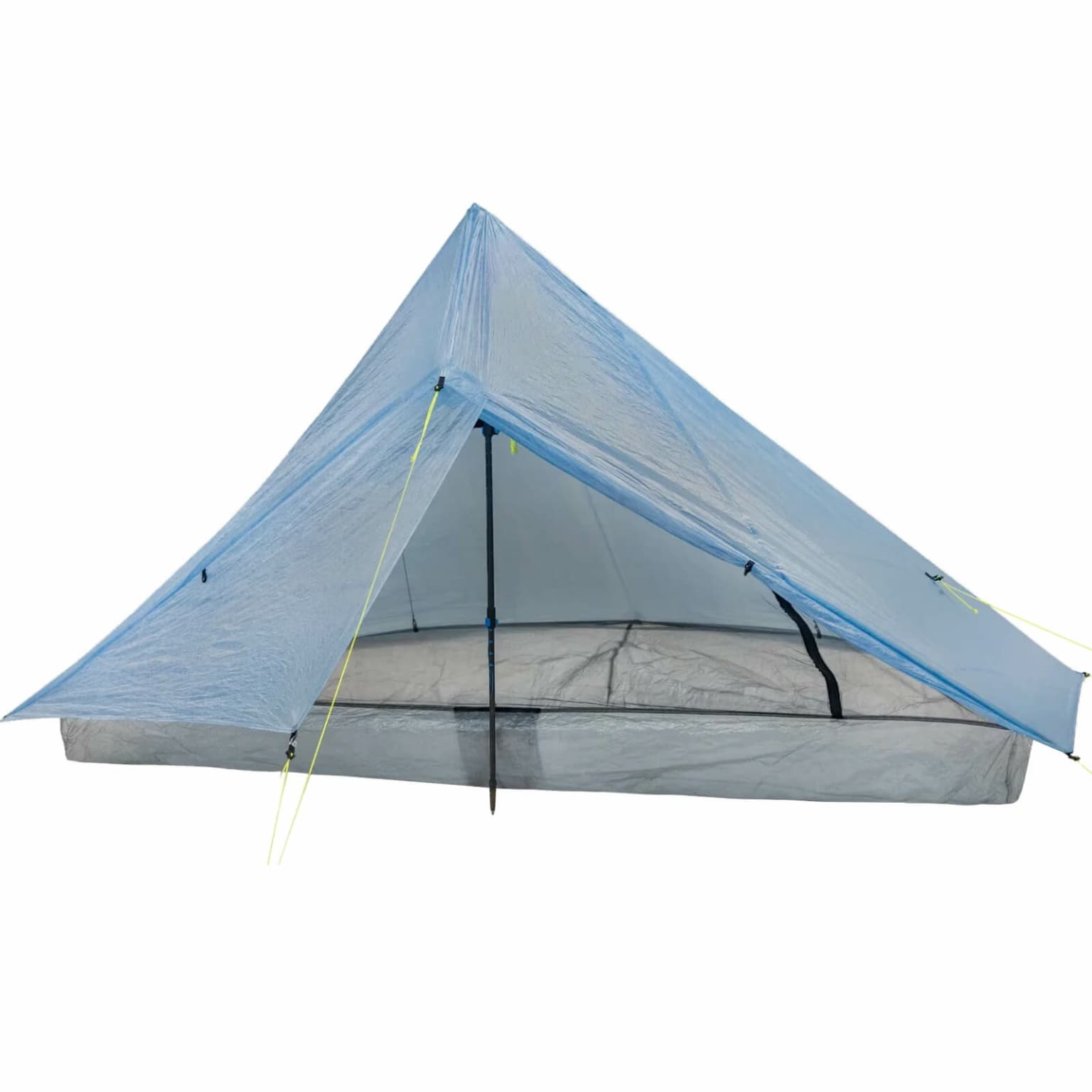
Zpacks Plex Solo
The Zpacks Plex Solo is a class-leading ultralight one-person backpacking tent that prioritizes minimum pack weight and uncompromising weather resistance thanks to its Dyneema Composite Fabric single-wall construction. It holds its position for hikers who value the lightest possible shelter and are willing to pay a premium for DCF performance; compared with the Durston X-Mid 1 Solid and the Tarptent ProTrail Li, the Plex Solo sacrifices some interior volume and price economy in exchange for the smallest pack footprint and superior tear- and waterproofing.
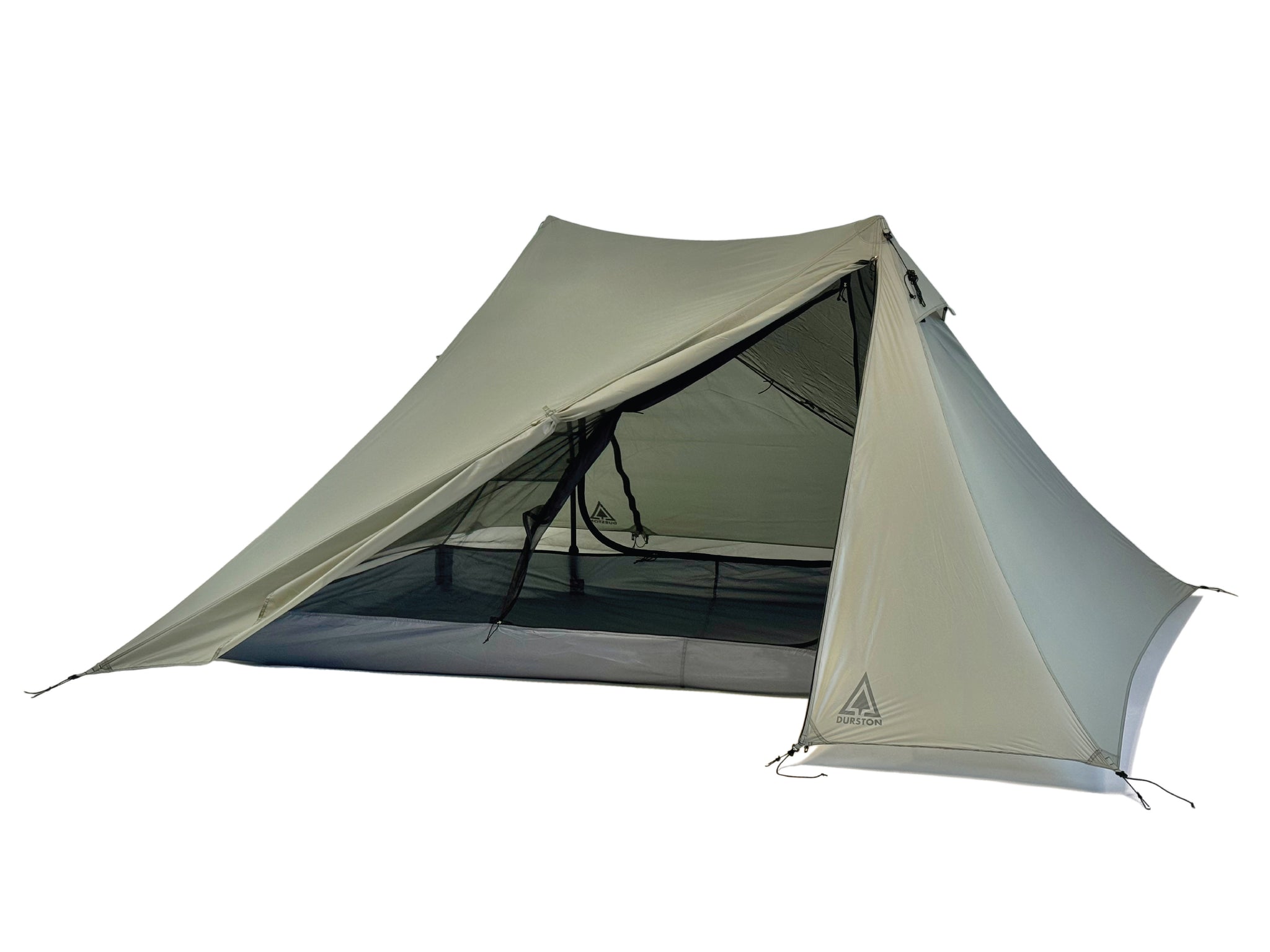
Durston X-Mid 2
The Durston X-Mid 1 Solid is a well-balanced, economical one-person mid-style tent that offers a spacious, stable interior and simple pitch system suited to varied weather and hard use. It earns its market-leader status by delivering durable materials and thoughtful livability at a lower cost than premium DCF shelters like the Zpacks Plex Solo, while providing more protected floor area and easier vestibule management than many ultralight tarp-based options such as the Tarptent ProTrail Li.
Sea to Summit Alto TR1
The Sea to Summit Alto TR1 is notable for its clever interior layout and roomy vestibule relative to its class, offering tall-hiker-friendly headroom and practical features that boost comfort on longer solo trips. While not the lightest option here, it provides a middle ground between the ultralight Nemo Hornet and the heavier, more bombproof MSR Hubba, making it an attractive financial and technical compromise for hikers who prioritize livability without stepping up to the top-tier price of some competitors.

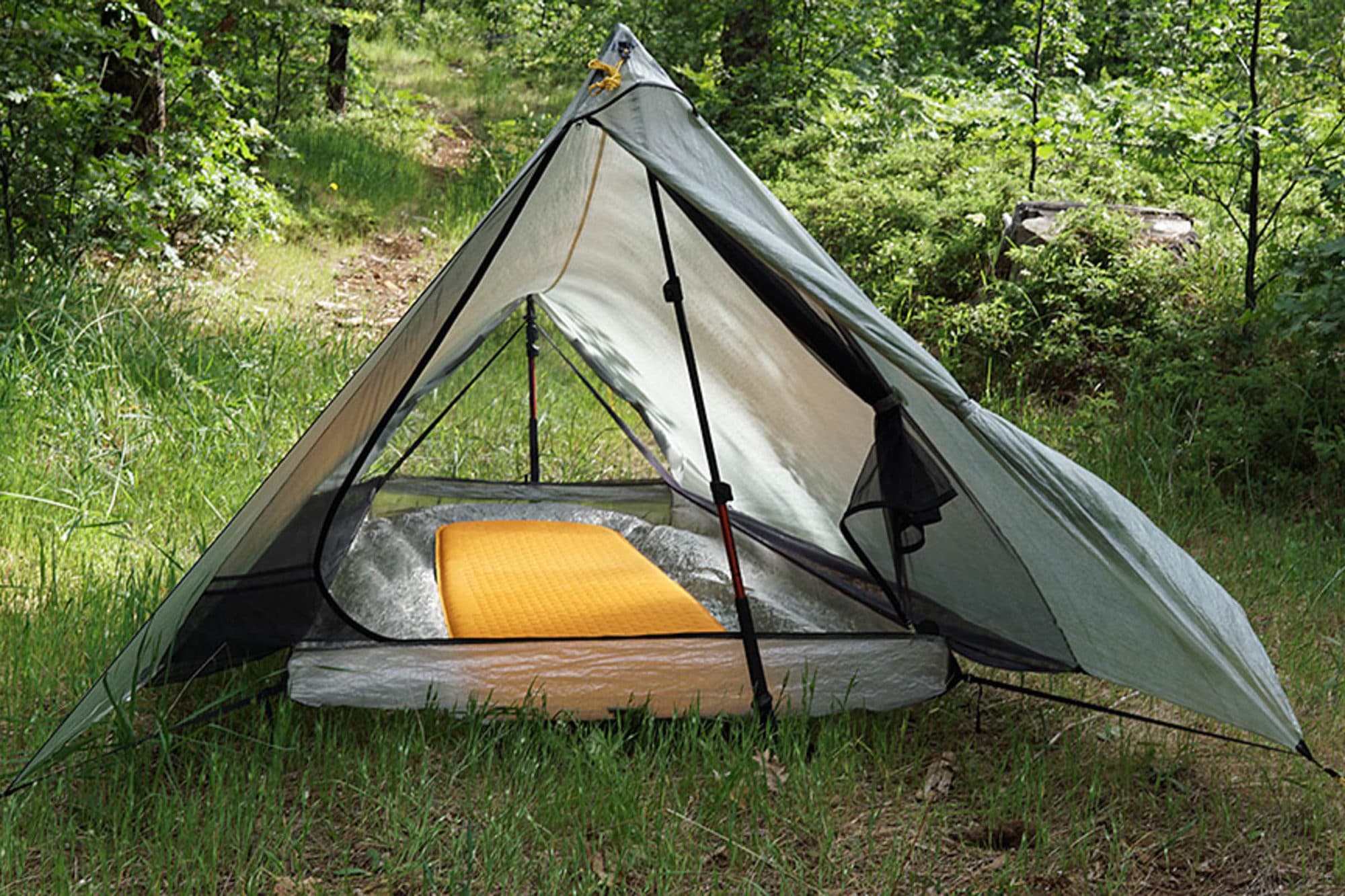
Tarptent ProTrail Li
The Tarptent ProTrail Li blends livability and value into a lightweight one-person shelter with a roomy vestibule and a user-friendly, fast pitch — making it a favorite for thru-hikers who want more interior space without paying top-tier DCF prices. It stakes its position by offering a compelling middle ground: lighter and more packable than many traditional tents yet generally more affordable than the Zpacks Plex Solo, while providing a more open, breathable interior and simpler setup than the Durston X-Mid 1 Solid.
What Research Says About Lightweight Solo Tents
Scientific research and field studies in outdoor physiology, ergonomics, and materials science support many benefits claimed by ultralight and solo shelter users. Studies show that lower carried weight reduces energy expenditure over long distances, improves endurance and recovery, and can decrease the risk of overuse injuries. Materials research documents the strength-to-weight advantages of modern fabrics like Dyneema composite fabric and high-tenacity nylon, while ventilation and shelter design studies highlight how airflow and vestibule layout reduce condensation and improve sleep comfort. Understanding these findings helps hikers choose a tent that fits their pace, season, and risk tolerance.
Reduced pack weight is linked to lower metabolic cost and improved daily distance in endurance hiking studies.
Better sleep and recovery are associated with adequate shelter ventilation and internal space, which can affect next-day performance.
Advanced materials such as Dyneema and Siliconized nylon offer high strength-to-weight ratios, though they have different durability and UV-resistance profiles.
Shelter geometry and vestibule area influence weather protection and gear storage, important trade-offs for solo hikers in variable American conditions.
Frequently Asked Questions
Which tent should I pick for solo multi-day comfort?
Choose the Big Agnes Copper Spur HV UL1 if you want livable headroom plus an easier freestanding pitch—its high-volume pole geometry boosts interior comfort and it averages a 4.6 rating.
What feature makes the Copper Spur HV UL1 more comfortable?
The Big Agnes Copper Spur HV UL1 uses high-volume pole geometry to increase headroom, improving solo interior comfort, and it averages a 4.6 rating.
Is the Big Agnes Copper Spur HV UL1 cheaper than the MSR Hubba NX 1?
Yes—Big Agnes Copper Spur HV UL1 is $339.44 USDversus MSR Hubba NX 1 at $499.95 USDwhile Copper Spur averages 4.6 rating and Hubba NX 1 averages 4.4.
Does the Nemo Hornet OSMO 1P work well for fastpacking?
Yes—the Nemo Hornet OSMO 1P is designed as an ultralight specialist for trips where every gram matters, with an OSMO-treated floor for water resistance and a 4.3 average rating.
Conclusion
Compact one-person tents are a cornerstone of modern solo backpacking in the USA, from coastal rain to alpine winds. The seven tents highlighted here — Big Agnes Copper Spur HV UL1, Nemo Hornet OSMO 1P, MSR Hubba NX 1, Zpacks Plex Solo, Durston X-Mid 1 Solid, Sea to Summit Alto TR1, and Tarptent ProTrail Li — cover the main trade-offs between ultralight weight, livability, and weather protection. For most solo backpackers seeking the best balance of comfort and weight, the Big Agnes Copper Spur HV UL1 is the top all-around choice on this page. If you want the absolute lightest options, consider the Zpacks Plex Solo or Nemo Hornet OSMO 1P; if you need maximum weather resilience, look at the Durston X-Mid 1 Solid or the Tarptent ProTrail Li; and the MSR Hubba NX 1 and Sea to Summit Alto TR1 offer reliable balance and user-friendly features. I hope you found what you were looking for — you can refine or expand your search using the search to compare weight, floor area, season rating, and material choices.