2025 American Guide: Top 5 Veterinary Neurologic and Seizure Medications for Dogs — Evidence-Based Options for Phenobarbital, Potassium Bromide, Zonisamide, Levetiracetam, and Gabapentin (Which Is Best for Chronic Care, Emergencies and Drug Interactions?)
Published on Thursday, August 21, 2025
This category covers antiepileptics, anticonvulsants, and neuroprotective agents used to control seizures and treat neurologic disorders in dogs across the USA in 2025. It includes chronic seizure management strategies, common drug interactions, therapeutic drug monitoring, and emergency protocols. American caregivers and veterinarians choose these medications based on proven efficacy, safety profiles, ease of administration (tablets versus liquids), cost and availability through prescription, monitoring requirements, and the animal's comorbid conditions. Preference trends in the US market emphasize evidence-based first-line agents, drugs with predictable blood levels for therapeutic monitoring, options for dogs with difficult-to-manage seizures, and newer drugs that reduce interaction risk and improve tolerability.
Top Picks Summary
Phenobarbital 30mg Tablets
Phenobarbital 30mg Tablets are the long-established, best-in-class first-line maintenance anticonvulsant for canine epilepsy because of their proven efficacy, low acquisition cost, and widespread veterinary familiarity. Compared with the other medications on this list, phenobarbital delivers strong seizure reduction at lower cost but requires routine serum level and hepatic monitoring due to metabolism-related risks, making it less suitable than potassium bromide or levetiracetam for dogs with preexisting liver disease.

Potassium Bromide Oral Solution
Potassium Bromide Oral Solution is a market-leading adjunct or alternative monotherapy for dogs when hepatic tolerance is a concern, prized for its low cost, long half-life, and renal excretion. Versus phenobarbital and newer drugs like zonisamide and levetiracetam, bromide is often cheaper and avoids hepatic metabolism, but it has a slower onset of effect and can cause polyuria, polydipsia and sedation, and is unsuitable in cats.

Zonisamide 100mg Capsules
Zonisamide 100mg Capsules occupy a key role for refractory or adjunctive therapy in canine epilepsy as a newer sulfonamide anticonvulsant that provides effective seizure control with relatively low sedation and convenient once- or twice-daily dosing. Technically, zonisamide can be more expensive and is more hepatically metabolized than levetiracetam or potassium bromide, so it is often reserved after first-line agents like phenobarbital or as part of combination protocols.

Levetiracetam 500mg Tablets
Levetiracetam 500mg Tablets are a market leader for adjunctive and peri-ictal therapy in dogs because of their rapid onset, minimal drug–drug interactions, and low monitoring burden, making them especially valuable in patients on multiple anticonvulsants or with hepatic disease. Although generally pricier than older agents such as phenobarbital and potassium bromide and sometimes requiring more frequent dosing, levetiracetam's safety profile and predictable pharmacology give it a clear technical advantage in complex cases.

Gabapentin 300mg Capsules
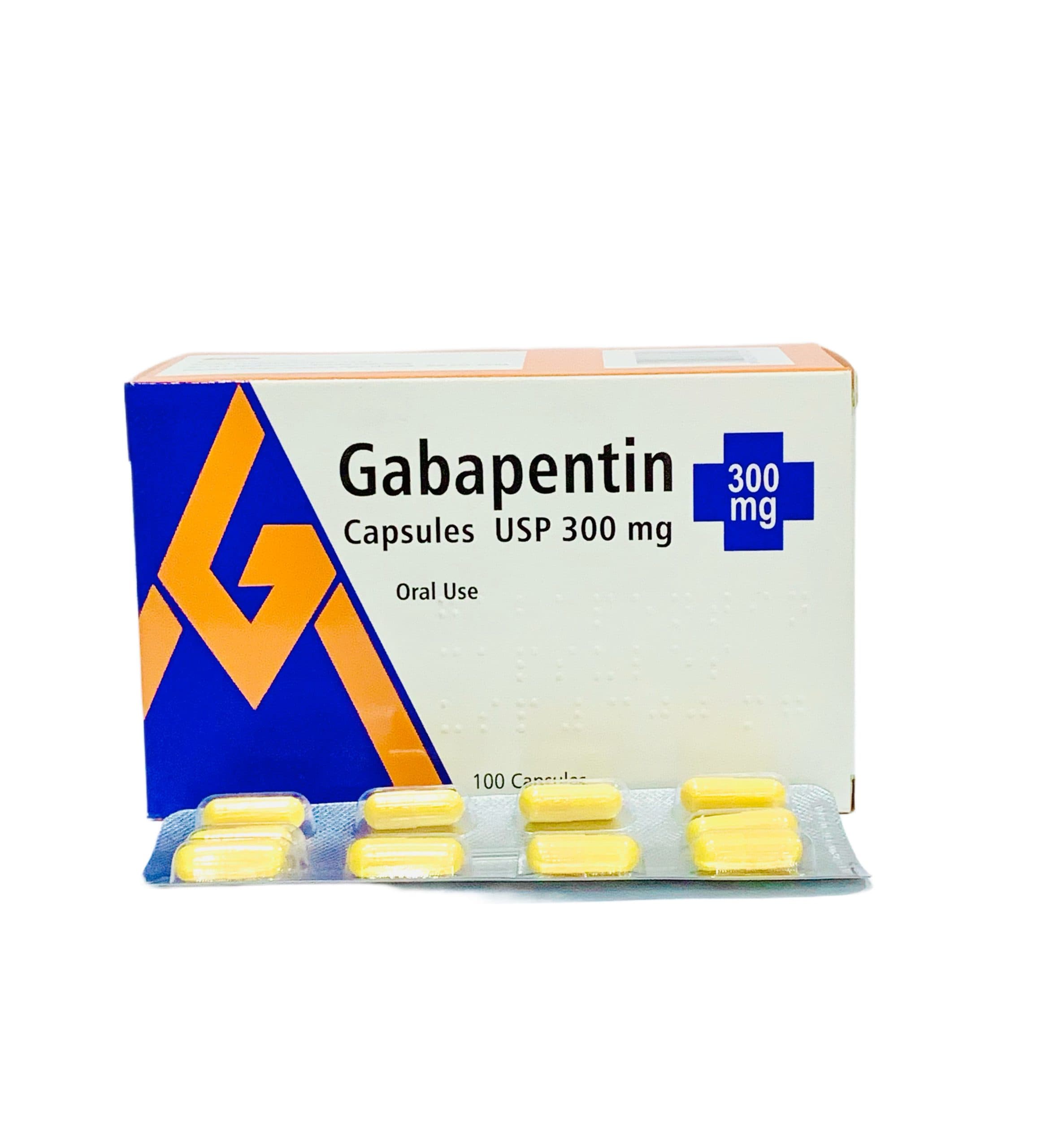
Gabapentin 300mg Capsules are widely used as a cost-effective adjunct for seizure control and neuropathic pain in dogs, offering a favorable side-effect profile and useful sedative/anxiolytic effects that can complement other anticonvulsants. Compared with levetiracetam and zonisamide, gabapentin is generally less effective as monotherapy for generalized seizures and often requires more frequent dosing, but its low cost and tolerability make it a practical component of multi-drug regimens.
What the research and clinical practice show
Clinical studies, retrospective reviews and consensus guidelines form the basis for selecting antiepileptic drugs in dogs. Evidence supports a tiered approach: established first-line therapy for idiopathic epilepsy, adjunctive options for refractory cases, and short-acting agents for emergency control. Therapeutic monitoring and dose adjustments are central to safe and effective long-term care.
Phenobarbital: Multiple clinical series and guideline summaries report consistent seizure frequency reduction with phenobarbital; therapeutic drug monitoring reduces toxicity risk and informs dose adjustments.
Potassium bromide: Long half-life and effectiveness as an add-on or monotherapy in some patients make it a validated option for chronic, refractory seizures; veterinarians monitor serum bromide and watch for gastrointestinal and behavioral side effects.
Zonisamide: Studies and clinical experience indicate zonisamide is an effective adjunct with a favorable interaction profile for many dogs, showing good seizure control with once- or twice-daily dosing.
Levetiracetam: Evidence and clinical reports highlight levetiracetam for rapid onset control, minimal hepatic metabolism, and usefulness in emergency settings or as a transitional agent during drug changes.
Gabapentin: While primarily used for neuropathic pain, controlled and observational studies support gabapentin as an adjunctive anticonvulsant in some dogs, with predictable sedation and titration considerations.
Therapeutic monitoring: Research underscores the value of measuring blood levels (for example phenobarbital and bromide) and regular bloodwork to track liver function, electrolytes and drug interactions to optimize safety.
Risk and benefit balancing: Peer-reviewed guidance and clinic-level audits recommend individualized plans that weigh seizure reduction, side effects, quality of life, and owner ability to administer and monitor treatment.
Frequently Asked Questions
Should I choose phenobarbital or zonisamide for chronic canine seizures?
Phenobarbital 30mg Tablets are typically the long-established first-line maintenance anticonvulsant with reliable chronic control and a 4.2 average rating, while Zonisamide 100mg Capsules are positioned for refractory or adjunctive therapy with fewer CYP-mediated drug interactions and a 4 rating.
What monitoring does phenobarbital 30mg Tablets require?
Phenobarbital 30mg Tablets require periodic serum level monitoring and routine liver enzyme checks, and they can cause sedation plus polyphagia and polyphagia-related polydipsia due to hepatic enzyme induction.
How does Zonisamide 100mg Capsules price compare to value?
Zonisamide 100mg Capsules list for $34.59 USDand provide once- or twice-daily dosing with relatively low sedation, and the product has a 4 average rating, helping with difficult-to-control seizures as an adjunct or alternative.
Is potassium bromide safe when liver tolerance is a concern?
Potassium Bromide Oral Solution isn’t metabolized by the liver and is primarily renal/extracellularly eliminated, making it a common adjunct to phenobarbital when hepatic tolerance is a concern, with a 3.9 average rating and therapeutic monitoring needed due to its long half-life.
Conclusion
In the American 2025 context, this page highlights practical, evidence-based choices for canine seizure control: Phenobarbital 30mg Tablets, Potassium Bromide Oral Solution, Zonisamide 100mg Capsules, Levetiracetam 500mg Tablets, and Gabapentin 300mg Capsules. For many dogs with idiopathic epilepsy, Phenobarbital 30mg Tablets remains the most commonly selected first-line option due to established efficacy and clear monitoring protocols, while Potassium Bromide Oral Solution, Zonisamide 100mg Capsules and Levetiracetam 500mg Tablets serve key roles for adjunctive, refractory or emergency strategies, and Gabapentin 300mg Capsules can help in specific adjunctive or neuropathic situations. We hope you found what you were looking for; refine or expand your search using the site search to compare dosing, monitoring needs, side-effect profiles, or local American availability.