Anesthetic Reversal Agents for Dogs in the USA: 2025 Veterinarian-Recommended Top 5 for Faster, Safer Recoveries — Which One Is Right for Your Dog?
Published on Thursday, August 21, 2025
Medications used to reverse sedative, opioid, and alpha-2 agonist effects in dogs help speed recovery after procedures or treat accidental overdose, improving safety for both outpatient and inpatient care. American pet owners and veterinary clinics increasingly prefer reversal agents that provide predictable recovery times, minimal side effects, and routes of administration suited to the setting — intramuscular or intravenous for clinic use and intranasal options for emergencies. Demand is driven by desires for shorter recovery room time, reduced monitoring costs, and greater peace of mind when managing anesthesia or accidental drug exposure. Commonly used reversals include atipamezole for alpha-2 agonists, naloxone for opioids, and flumazenil for benzodiazepines; brand names and formulations (Antisedan, Revertor, Naloxone Injection USP, Flumazenil Injection, Narcan Nasal Spray) vary in availability across American states and typically require veterinary prescription or supervision.
Top Picks Summary
Antisedan (atipamezole)
Antisedan is the veterinary standard atipamezole product for reversing alpha-2 agonist sedation in dogs, valued for rapid, predictable recovery and broad veterinary labeling. Compared with other agents on this list, Antisedan's manufacturer support, established clinical track record and widespread availability give it a technical and commercial advantage for clinic-based anesthetic reversal, while its mechanism is complementary—not interchangeable—with opioid and benzodiazepine antagonists.

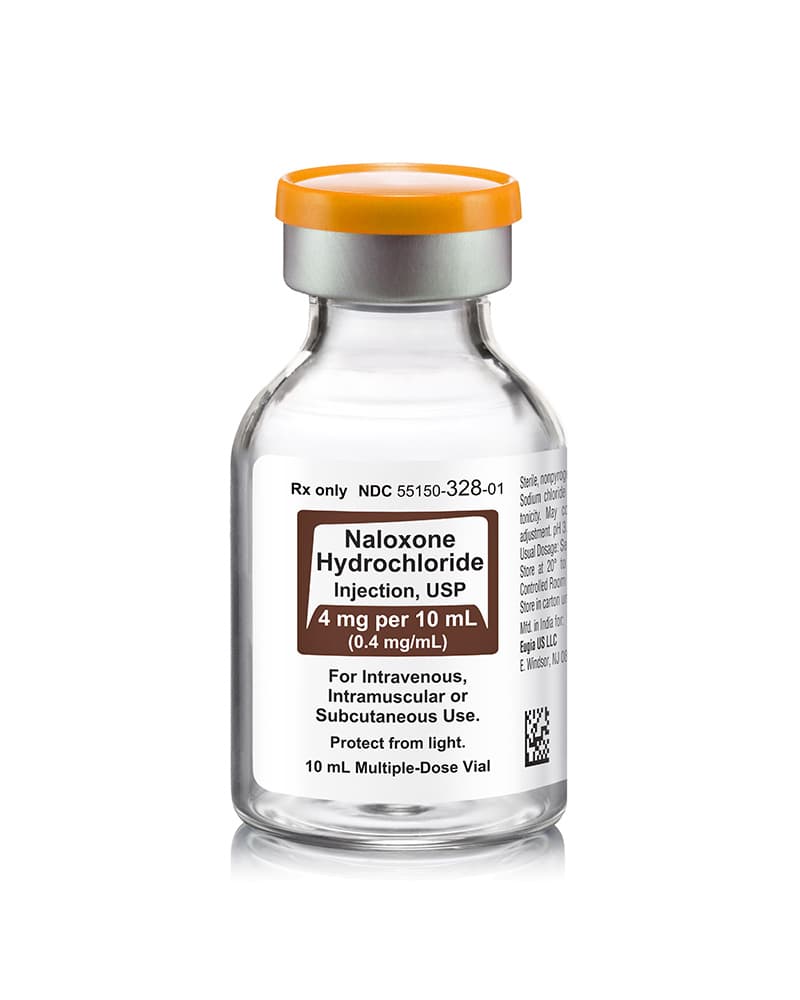
Naloxone Injection USP
Naloxone Injection USP is a low-cost, generic opioid antagonist widely used to reverse opioid-induced sedation and respiratory depression in dogs and is prized for flexible IV/IM/SC administration in clinical settings. Compared with branded intranasal formulations it is generally less expensive per dose and more versatile for monitored veterinary use, though it lacks the noninvasive administration advantage of nasal sprays used in field or owner-administered rescues.
Flumazenil Injection
Flumazenil Injection is the specific benzodiazepine antagonist used to reverse benzodiazepine-induced sedation in dogs, providing rapid and targeted reversal when benzodiazepines are involved in the anesthetic protocol. Its technical strength is this specificity—making it indispensable in mixed-drug cases where neither atipamezole nor naloxone would be effective—though it tends to be a more specialized, sometimes higher-cost agent with a narrower clinical niche.

Narcan Nasal Spray
Narcan Nasal Spray is a branded naloxone product formulated for easy, noninvasive intranasal rescue of opioid effects and is useful for rapid field or owner-administered intervention in dogs exposed to opioids. Compared with injectable naloxone it trades some dosing flexibility for simplicity and speed of administration, and while typically more expensive per unit, its usability can reduce time-to-treatment outside the clinic.

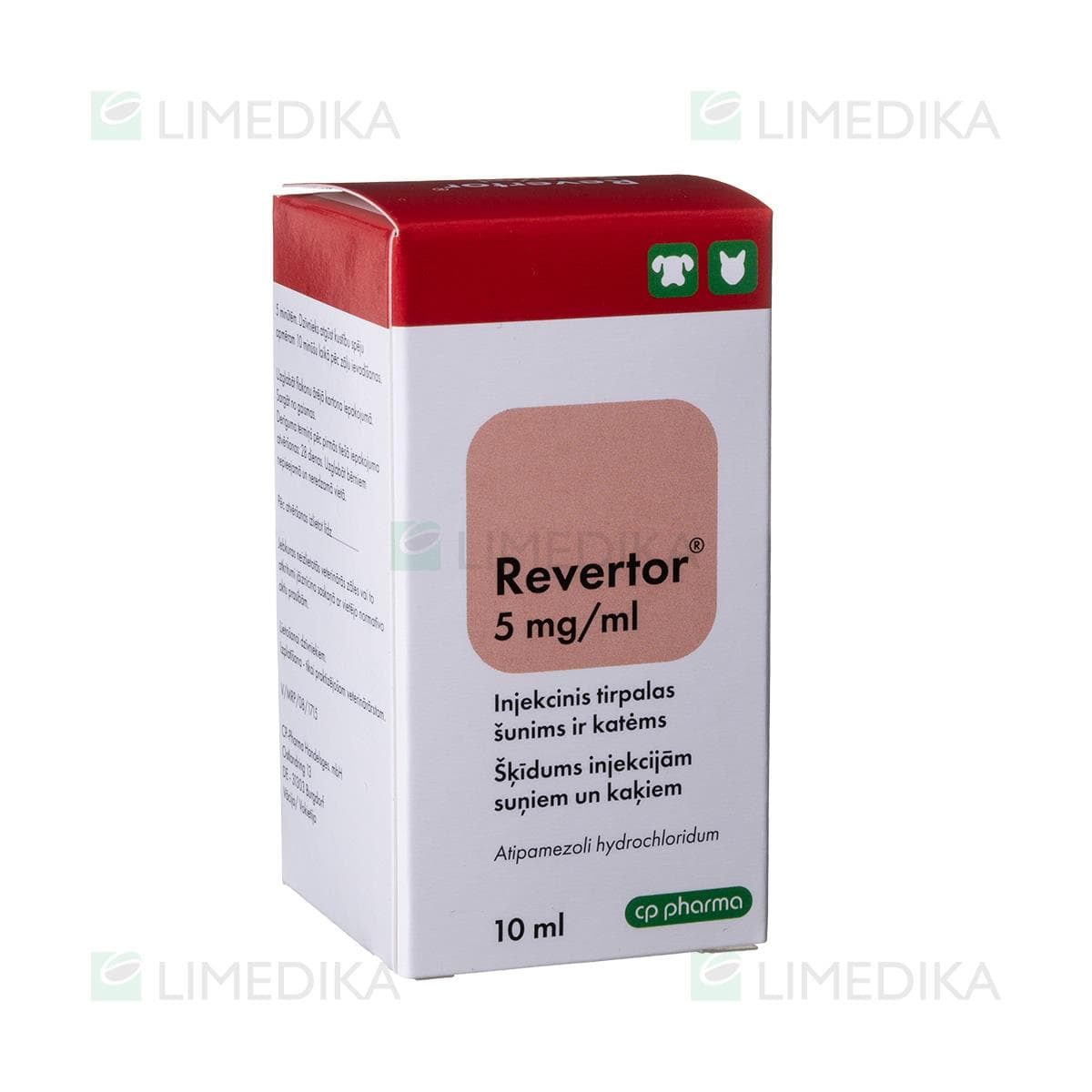
Revertor (atipamezole)
Revertor is an alternative atipamezole preparation for reversing alpha-2 agonists in dogs that offers similar pharmacologic efficacy to other atipamezole brands while often competing on regional price or vial-size options. Against Antisedan, Revertor can represent a cost-competitive choice for practices in certain markets or supply chains, though it may have less global brand recognition and variable availability depending on the distributor.
What the Research Shows: Safety and Effectiveness of Reversal Agents
Clinical and veterinary studies demonstrate that targeted reversal agents reliably speed recovery from specific classes of sedatives when dosed and monitored correctly. Research supports faster return of protective reflexes, improved respiratory function after opioid reversal, and predictable reversal of alpha-2 agonist sedation. The evidence emphasizes appropriate use by trained professionals, attention to dosing, and post-reversal monitoring to manage potential adverse effects such as transient agitation or cardiovascular changes.
Atipamezole (Antisedan, Revertor) studies: randomized and controlled veterinary trials show rapid and reliable reversal of medetomidine or dexmedetomidine sedation in dogs, with consistent recovery times when administered IM or IV.
Naloxone (Naloxone Injection USP) research: both veterinary reports and human studies confirm naloxone rapidly reverses opioid-induced respiratory depression; intranasal formulations (Narcan Nasal Spray) provide effective, user-friendly emergency administration when IV access is not available.
Flumazenil (Flumazenil Injection) evidence: clinical reports indicate flumazenil reverses benzodiazepine effects quickly, useful when benzodiazepines are part of an anesthetic or sedative protocol; however, repeated monitoring is needed due to possible re-sedation.
Comparative safety: studies underscore that reversal agents reduce time under sedation and lower complication risk when used appropriately, but they are not substitutes for supportive care and monitoring — reversal can unmask pain or cause acute physiological changes that require intervention.
Administration and formulation matters: route (IM, IV, intranasal) and product formulation affect onset and ease of use; intranasal naloxone is increasingly recommended for rapid field response, while atipamezole products made for veterinary dosing simplify clinic administration.
Frequently Asked Questions
Which reversal agent should I choose for my dog?
For reversing alpha-2 agonist sedation, Antisedan (atipamezole) is a strong choice because it’s an alpha-2 antagonist licensed for reversing medetomidine/dexmedetomidine in dogs with an average rating of 4.5.
Does Naloxone Injection USP work for opioid breathing problems?
Yes—Naloxone Injection USP is a pure opioid antagonist that quickly reverses opioid-induced respiratory depression in dogs, and it’s available for IV/IM/SQ injection with an average rating of 4.6.
How does Antisedan compare to Naloxone on price?
The provided data doesn’t list any prices for Antisedan or Naloxone, so I can’t compare value by cost here; it only shows Antisedan at 4.5 average rating and Naloxone at 4.6.
Is flumazenil appropriate when benzodiazepines weren’t used?
No—Flumazenil Injection is specifically a benzodiazepine antagonist used to reverse benzodiazepine-induced sedation in dogs, given IV for rapid onset, with an average rating of 4.
Conclusion
In USA, anesthetic reversal agents are an important tool for veterinarians and pet owners who want faster, safer recoveries from sedation or a prompt response to overdose. The top options covered here — Antisedan (atipamezole), Naloxone Injection USP, Flumazenil Injection, Narcan Nasal Spray, and Revertor (atipamezole) — each serve specific reversal needs. For routine clinic reversal of alpha-2 agonists, Antisedan (atipamezole) is often the preferred first-line choice because of predictable dosing and widespread veterinary use; Naloxone Injection USP and Narcan Nasal Spray are essential for opioid emergencies; Flumazenil Injection is the targeted option for benzodiazepine reversal; and Revertor (atipamezole) is an alternative atipamezole brand used in some practices. We hope you found what you were looking for — refine or expand your search using the site search to compare dosing, provincial availability, or veterinary guidance for your dog's needs.