Top 5 Vasodilator Options for Dogs in the United States — 2025 Veterinary-Backed Guide to Hydralazine, Nitrates and Sildenafil (Which One Fits Your Pet?)
Published on Thursday, August 21, 2025
Vasodilator agents relax blood vessels to lower systemic and pulmonary blood pressure in dogs with heart disease or hypertension. Common prescription examples include hydralazine formulations and nitrates, and selective pulmonary vasodilators such as sildenafil. These medicines are frequently used alongside ACE inhibitors, diuretics, or positive inotropes to optimize hemodynamics and symptom control. American pet owners and veterinarians prefer specific vasodilators based on the type of hypertension (systemic versus pulmonary), route and flexibility of dosing (tablet, ointment, or compounded suspension), safety profile, monitoring requirements, and local availability. For many owners, appeal comes from proven clinical benefit, straightforward dosing for outpatient use, and access to veterinary guidance and compounding services in the USA to suit small or difficult-to-dose patients.
Top Picks Summary
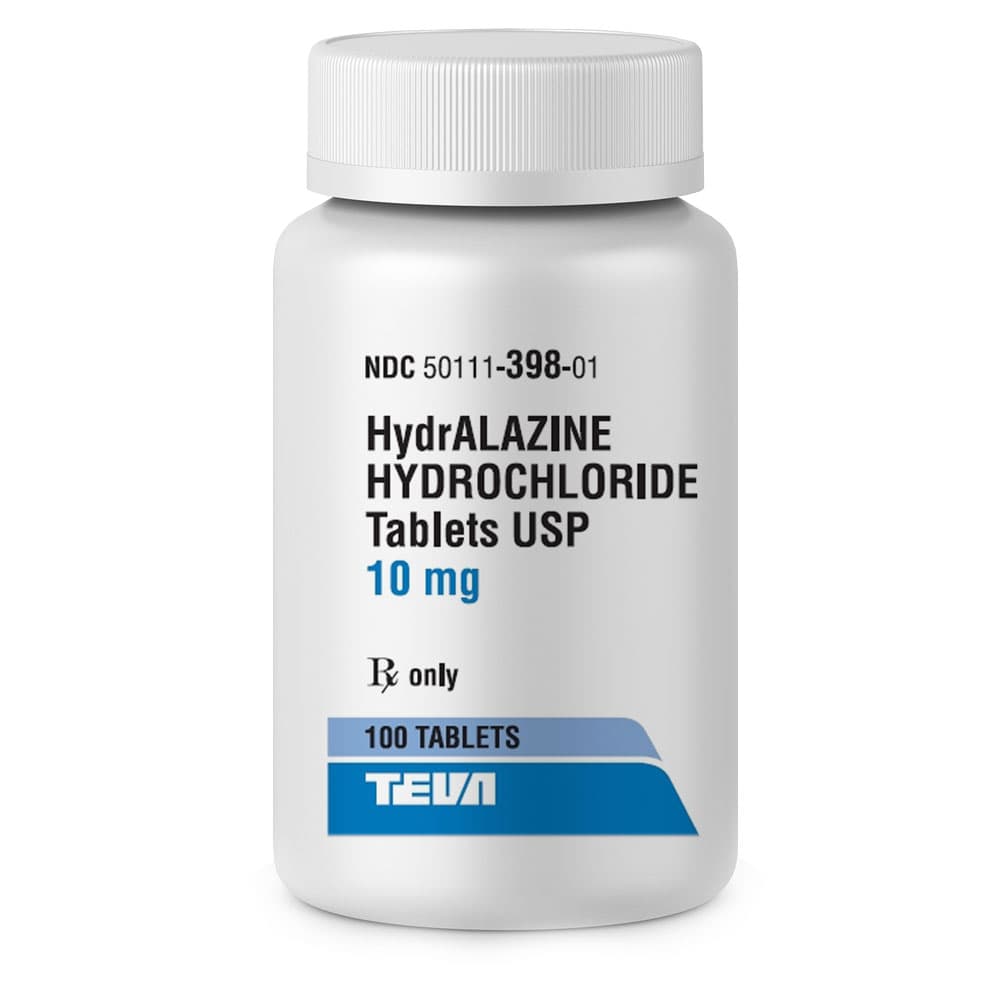
Apresoline (Hydralazine) 10mg Tablets
Apresoline is positioned as a best-in-class arteriolar vasodilator for dogs because it reliably reduces systemic afterload, is widely available in generic form, and is one of the most cost-effective prescription options for chronic management. Compared with nitrates like Isordil or Nitro-Bid that primarily unload the venous side, hydralazine targets arterial resistance and pairs well with venodilators for balanced blood pressure control; versus compounded suspensions it lacks dosing flexibility for very small patients but offers stable, low-cost tablet dosing.
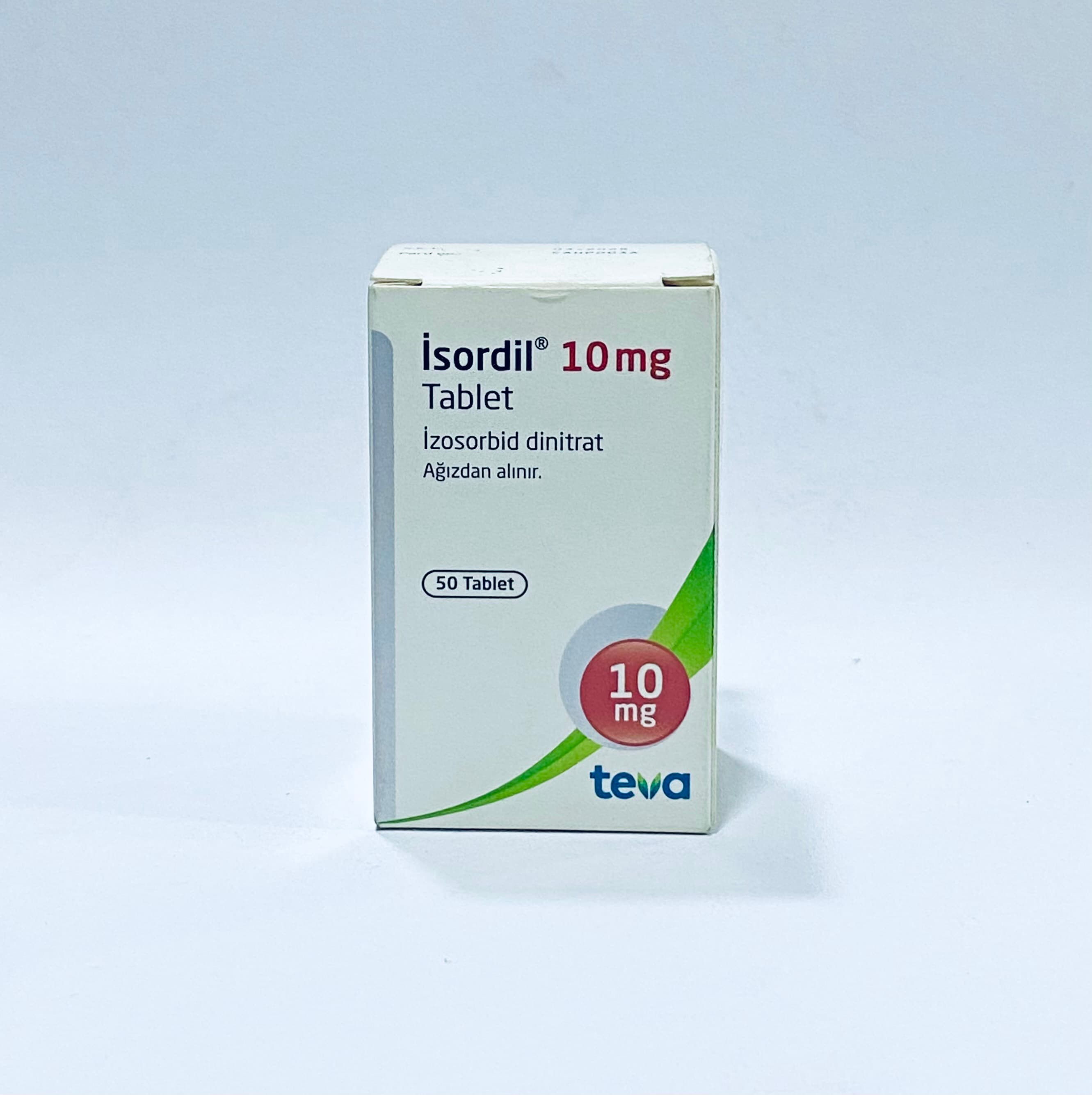
Isordil (Isosorbide Dinitrate) 10mg Tablets
Isordil is highlighted as a market leader among oral nitrates for dogs because it produces sustained venodilation that helps reduce preload and is easy to dose as a tablet formulation for outpatient care. Compared with Nitro-Bid ointment, Isordil provides longer systemic coverage without the topical handling or storage considerations, and when combined with hydralazine it offers a complementary hemodynamic effect; it is generally mid-range in cost and avoids the flavor and compounding premiums of liquid preparations.
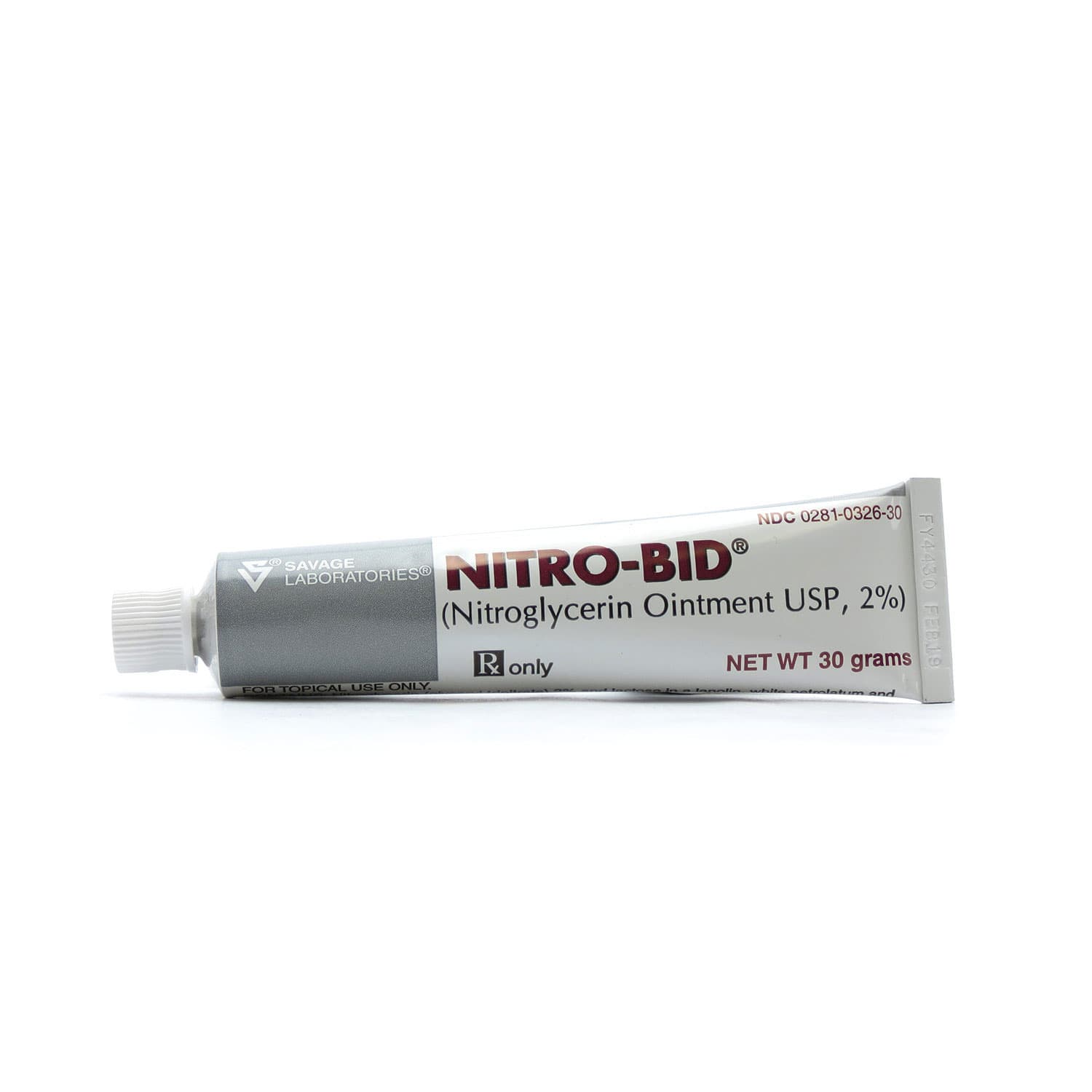
Nitro-Bid (Nitroglycerin) 2% Ointment
Nitro-Bid stands out for acute and topical use because nitroglycerin ointment delivers rapid vasodilation transdermally, making it valuable when oral administration is impractical or when a fast onset is required. Compared with oral nitrates like Isordil, Nitro-Bid has a quicker effect but typically higher per-dose cost and added handling/storage considerations; it occupies a distinct niche versus systemic agents such as hydralazine and sildenafil by providing localized, short-acting venodilation.
Hydralazine Compounded Oral Suspension
The compounded hydralazine oral suspension is a market-leading choice for small or pill-averse dogs because it enables precise, weight‑based dosing and palatable formulations that standard tablets cannot match. Although compounding increases per-unit cost relative to off-the-shelf Apresoline tablets, the technical advantage of customizable concentrations and flavored liquids makes it superior for pediatric, geriatric, or outpatient titration scenarios where dosing flexibility and adherence matter most.
Sildenafil 20mg Tablets
Sildenafil 20mg is positioned as the lead pulmonary vasodilator option for dogs because it selectively targets pulmonary arterial pressure and is widely used for pulmonary hypertension cases where systemic vasodilators are less effective. Compared with systemic agents like hydralazine or nitrates, sildenafil’s pulmonary specificity reduces the risk of systemic hypotension and is generally available as a cost-effective generic option, making it the preferred choice when pulmonary vasodilation is the clinical priority.

How vasodilators work and what the research shows
Vasodilators reduce vascular resistance by relaxing smooth muscle in arterial and/or venous walls or by targeting signaling pathways that control pulmonary blood flow. Clinical and experimental veterinary literature supports their role in managing systemic hypertension and pulmonary hypertension in dogs, often improving signs such as exercise intolerance, respiratory distress from right-sided failure, and afterload-related cardiac workload. Evidence varies by agent and indication: nitrates and hydralazine have a long history for systemic afterload and preload modulation, while sildenafil — a phosphodiesterase type 5 inhibitor — is well supported for pulmonary hypertension. Veterinary cardiology guidelines emphasize individualized dosing, regular blood pressure monitoring, and evaluation of renal function when using vasodilators.
Mechanisms: hydralazine acts as a direct arteriolar smooth muscle relaxant; nitrates (isosorbide dinitrate, nitroglycerin) donate nitric oxide to produce venodilation and some arterial effects; sildenafil selectively targets pulmonary vasculature by inhibiting phosphodiesterase type 5, increasing cyclic GMP and causing vasodilation.
Clinical effects: vasodilators can lower systemic or pulmonary arterial pressure, reduce cardiac afterload, and in some cases improve exercise tolerance and clinical signs associated with heart failure.
Evidence base: multiple peer-reviewed veterinary studies and clinical reports across the 2000s to 2020s document benefit of sildenafil for canine pulmonary hypertension and support hydralazine/nitrate use for systemic hypertension or acute afterload reduction.
Safety and monitoring: all vasodilators can cause hypotension, weakness, or gastrointestinal upset; monitor blood pressure and renal function regularly; adjust dose with concurrent cardiac drugs.
Important interaction: avoid combining nitrates or other nitric oxide donors with sildenafil or other PDE5 inhibitors because of risk of severe additive hypotension.
Frequently Asked Questions
Should my dog get Apresoline versus Isordil for heart failure?
Choose Apresoline (Hydralazine) 10mg Tablets if your vet wants systemic arteriolar vasodilation to reduce afterload; it’s an oral smooth-muscle relaxant used off-label in hypertensive or heart-failure dogs and holds an average rating of 3.8.
What does Apresoline 10mg do for systemic vascular resistance?
Apresoline (Hydralazine) 10mg Tablets are 10 mg oral tablets used off-label to reduce systemic vascular resistance and afterload in hypertensive or heart-failure dogs, acting as a direct smooth-muscle relaxant for systemic vasodilation.
How does Nitro-Bid 2% ointment compare to Isordil dosing?
Nitro-Bid (Nitroglycerin) 2% Ointment is a 2% topical nitroglycerin ointment for fast-acting transdermal vasodilation when oral dosing is impractical, while Isordil (Isosorbide Dinitrate) 10mg Tablets are slower, longer-lasting oral tablets often dosed several times daily.
Is Isordil tablet safer than Nitro-Bid ointment for humans?
Nitro-Bid (Nitroglycerin) 2% Ointment has higher human exposure and sensitization risk because it’s topical, while Isordil (Isosorbide Dinitrate) 10mg Tablets are oral tablets; Isordil’s average rating is 3.3 and Nitro-Bid’s is 3.6.
Conclusion
In the American 2025 context, vasodilators remain an essential part of veterinary cardiovascular care — chosen based on whether the target is systemic or pulmonary pressure, the need for tailored dosing, and safety monitoring. The five highlighted options on this page — Apresoline (Hydralazine) 10mg Tablets, Isordil (Isosorbide Dinitrate) 10mg Tablets, Nitro-Bid (Nitroglycerin) 2% Ointment, Hydralazine Compounded Oral Suspension, and Sildenafil 20mg Tablets — cover oral, topical and compounded choices commonly used by American clinics and compounding pharmacies. For many cases of pulmonary hypertension, Sildenafil 20mg Tablets is often the preferred choice among these five because of targeted pulmonary vasodilation and a strong clinical evidence base; for systemic hypertension or when precise small-dog dosing is required, a hydralazine compounded oral suspension can be especially useful. We hope you found what you were looking for — use the site search to refine by condition (pulmonary versus systemic hypertension), dosing form, or to expand your review of combination therapies and monitoring guidelines.