Angiotensin Receptor Blockers (ARBs) for Dogs — Veterinarian-Reviewed Top 5 Options in the United States (2025): Telmisartan, Losartan and ACE Alternatives to Protect Heart & Kidneys
Published on Thursday, August 21, 2025
Angiotensin receptor blockers (ARBs) provide an alternative to ACE inhibitors for controlling blood pressure and protecting the heart and kidneys in dogs. In clinical practice they are most often used for hypertension, proteinuric kidney disease and as an option when ACE inhibitors are not tolerated or additional renin-angiotensin system blockade is needed. American veterinarians and pet owners increasingly prefer ARBs and related formulations because they can reduce proteinuria and blood pressure with a different side-effect profile than ACE inhibitors, offer flexible dosing via licensed oral solutions or compounded suspensions, and allow tailored therapy for dogs of many sizes and comorbidities. Key consumer preferences in this market include demonstrated clinical benefit, veterinary approval or oversight, stability and palatability of the formulation, convenient dosing schedules, clear monitoring guidelines, and reliable pharmacy access in the United States — whether through licensed products like oral telmisartan solutions or compounded telmisartan and losartan preparations.
Top Picks Summary
Semintra 10mg/mL Oral Solution
Semintra is the market-leading telmisartan oral solution specifically formulated for veterinary use, offering precise, small-volume dosing and validated stability which makes it technically superior for canine cardiovascular applications. Compared with compounded telmisartan or generic ARBs, Semintra delivers consistent potency and regulatory-backed safety data for dogs, reducing monitoring uncertainty and often justifying a higher price by lowering the risk of under- or overdosing. Its single-product formulation can also simplify inventory and prescribing for clinics that prioritize licensed veterinary options over off-label compounded alternatives.

Telmisartan Compounded Oral Suspension
Telmisartan compounded suspensions provide a cost-effective and customizable alternative to branded veterinary solutions, allowing pharmacies to tailor concentrations and flavors for individual canine patients. Financially they are often less expensive than licensed formulations like Semintra, but technically they carry greater variability in potency and stability between compounding sources, so clinics must balance upfront savings against potential dosing inconsistency compared with the licensed product. Compounded telmisartan is most valuable when precise dose strengths or formulations are required but should be sourced from reputable compounding pharmacies to reduce risk.
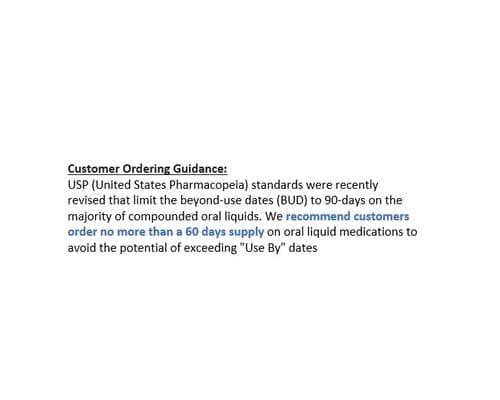
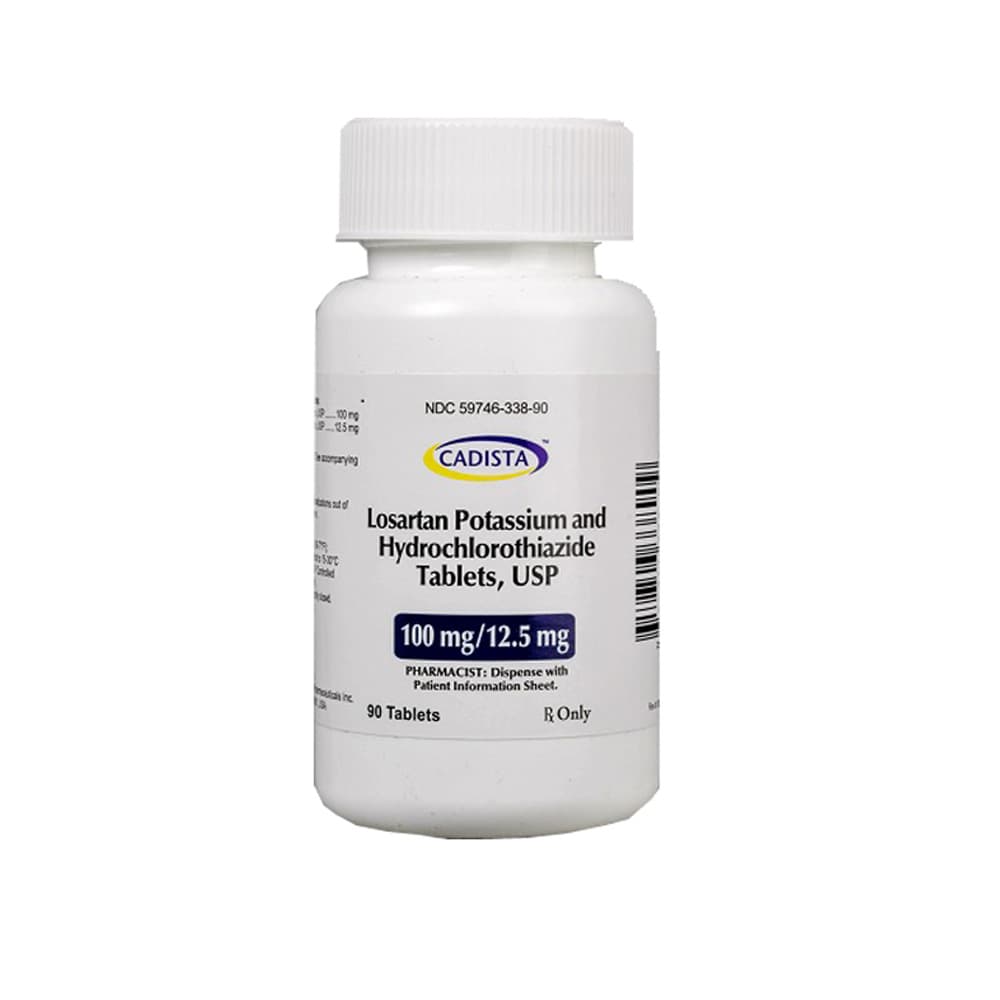
Losartan Compounded Tablets
Losartan compounded tablets are an inexpensive, widely available ARB option for off-label use in dogs, providing a lower-cost entry point compared with telmisartan-based products. While financially attractive, losartan has less veterinary-specific pharmacokinetic and outcome data in dogs than telmisartan, and compounded tablet production can introduce potency variability similar to other compounded products. Clinicians often choose losartan for budget-constrained patients or as a trial therapy, but should monitor response closely and consider switching to telmisartan formulations when consistent clinical effects are needed.
Benazepril HCl Tablets
Benazepril is an ACE inhibitor with a long track record in veterinary cardiology and nephrology, often used as a lower-cost or complementary option to ARBs for managing canine heart failure and proteinuric kidney disease. Technically it acts upstream of ARBs in the renin-angiotensin system, which can be an advantage for certain patients but also means a different side-effect and monitoring profile compared with ARBs like telmisartan or losartan; financially, generic benazepril is typically inexpensive and widely stocked by clinics. For practices deciding between ACE inhibitors and ARBs, benazepril remains an important, evidence-backed choice when ARBs are unavailable or when combined therapy is indicated under specialist guidance.

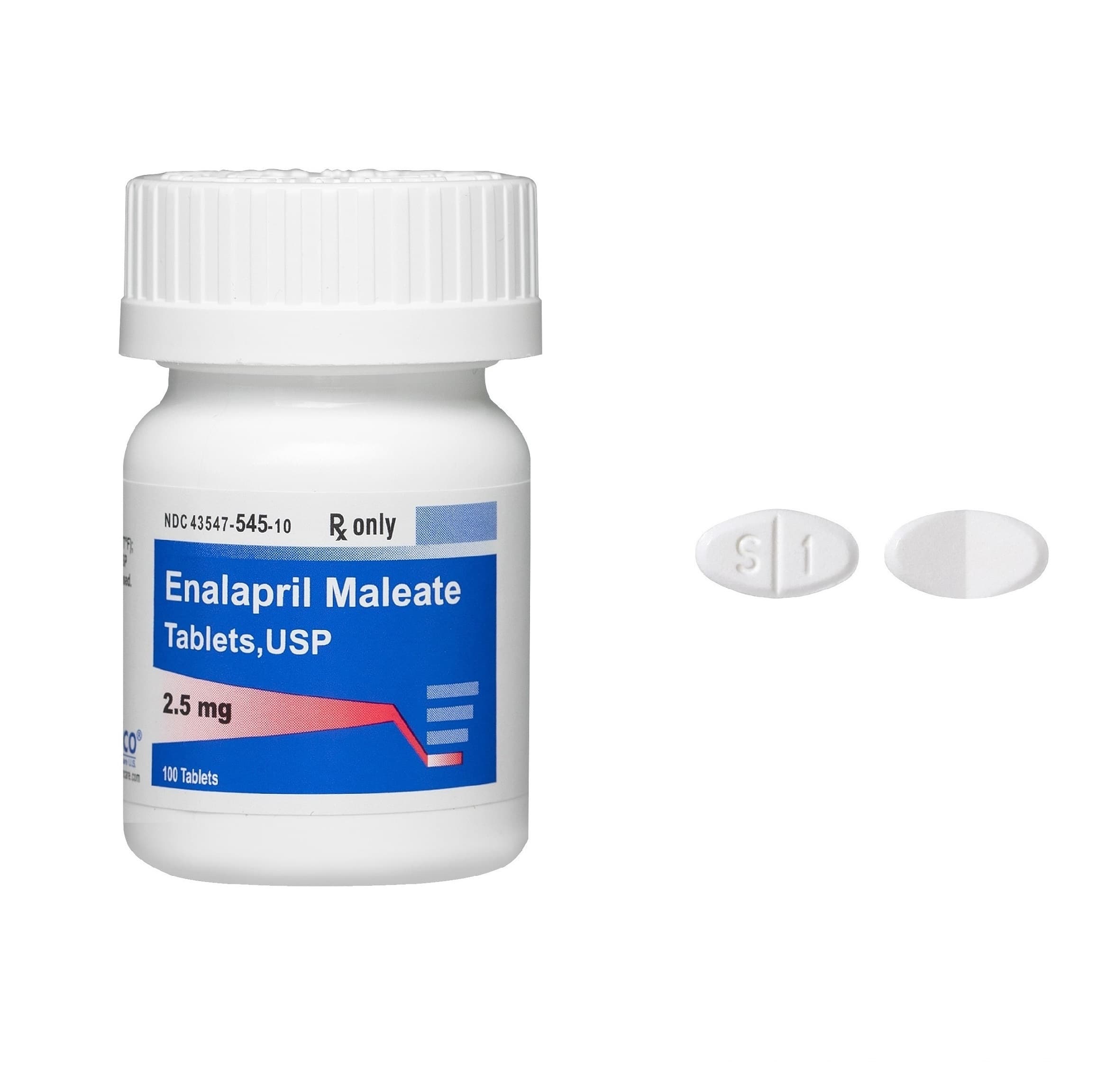
Enalapril Maleate Tablets
Enalapril is a longstanding, generic ACE inhibitor frequently used in canine cardiology because of its affordability and established clinical experience, making it a practical alternative when ARBs are cost-prohibitive or unavailable. Compared with ARBs in this list, enalapril is generally cheaper per dose but may have a different adverse effect profile and slightly different efficacy for proteinuria or blood pressure control in dogs, so choice of drug should reflect individual patient response and monitoring capacity. Its broad availability and low cost keep enalapril as a default option in many practices, even as veterinary-specific ARBs gain traction.
What the Research Shows
Clinical and veterinary research supports ARBs as effective tools for reducing proteinuria and lowering systemic blood pressure in dogs, with telmisartan and losartan commonly used when ACE inhibitors are not suitable or additional RAS blockade is required. Studies published in veterinary journals and clinical guidelines emphasize monitoring kidney values, electrolytes and blood pressure after initiation or dose changes. Evidence also highlights that combining RAS agents increases the risk of azotemia and hyperkalemia, so combinations should be used cautiously under veterinary supervision.
Telmisartan has been shown in veterinary studies to reduce proteinuria in dogs with protein-losing nephropathy, making it a valuable option for renal protection when indicated.
Losartan is used off-label in dogs and has supportive data from clinical case series demonstrating antihypertensive and antiproteinuric effects, though dosing often requires compounding and careful monitoring.
ACE inhibitors such as benazepril and enalapril retain strong evidence for management of heart failure and proteinuria; they are often first-line but may be replaced or supplemented by ARBs when side effects occur.
Randomized and observational studies in veterinary medicine indicate that ARBs and ACE inhibitors produce comparable reductions in proteinuria for many patients, but individual response varies, so follow-up testing (creatinine, BUN, electrolytes, urine protein:creatinine ratio and blood pressure) is essential.
Combination therapy (ACE inhibitor plus ARB) can produce greater proteinuria reduction in some cases but carries higher risk of kidney function decline and hyperkalemia; current recommendations favor veterinary-supervised use with frequent laboratory monitoring.
Clinical practice guidelines and peer-reviewed articles published in journals such as the Journal of Veterinary Internal Medicine support tailored therapy decisions based on disease stage, comorbidities and monitoring capacity.
Frequently Asked Questions
Which ARB is best for dogs needing telmisartan dosing?
Semintra 10mg/mL Oral Solution is the best match for dogs needing telmisartan dosing because it provides Telmisartan 10 mg/mL oral solution for precise weight-based dosing, with an average rating of 4.4 and listing price $136.49 USD
What exact telmisartan strength does Semintra 10mg/mL provide?
Semintra 10mg/mL Oral Solution contains telmisartan at an exact strength of 10 mg/mL, and it’s an oral solution designed for precise small-volume dosing, with an average rating of 4.4.
How does Semintra pricing compare to compounded telmisartan options?
Semintra 10mg/mL Oral Solution lists at $136.49 USDwhile Telmisartan Compounded Oral Suspension is described as cost-effective and customizable, though its exact price isn’t provided in the data; Semintra’s rating is 3.8 versus 3.8.
Are compounded losartan tablets an alternative for dog proteinuria?
Losartan Compounded Tablets are used off-label in dogs for hypertension and proteinuria, with an average rating of 3.4; the data also notes clinical data in dogs are less extensive than for telmisartan, so monitor blood pressure and renal parameters closely.
Conclusion
In the American 2025 context, ARBs and related cardiovascular medications remain important tools for protecting dogs' hearts and kidneys. The options presented here — Semintra 10mg/mL Oral Solution, Telmisartan Compounded Oral Suspension, Losartan Compounded Tablets, Benazepril HCl Tablets, and Enalapril Maleate Tablets — cover licensed formulations, commonly used compounded alternatives, and established ACE inhibitor comparators. Semintra 10mg/mL Oral Solution is often the preferred choice when a veterinary-labeled telmisartan formulation is available and appropriate; compounded telmisartan or losartan preparations are useful when individualized dosing is required; and benazepril or enalapril remain valuable ACE inhibitor options in many cases. We hope you found what you were looking for — you can refine or expand your search using the site search or consult your veterinarian for guidance tailored to your dog.