Top 7 Injectable Sedative Premedications for Dogs in the USA: 2026 Guide
Published on Thursday, February 26, 2026
Injectable sedative premedications for dogs include intravenous, intramuscular, and subcutaneous formulations used to calm patients, provide analgesia, and smooth induction of anesthesia. In American clinics, practitioners and informed pet owners increasingly favor combinations and single agents that balance adequate sedation with cardiopulmonary safety and rapid reversibility. Practical considerations that shape purchasing and prescribing preferences include route of administration, onset and duration of action, availability and reliability of reversal agents, compatibility with other anesthetic drugs, vial size and stability (single dose versus multidose), cost, and regional regulatory approvals. These factors make specific products, such as Dexdomitor, Torbugesic-SA, Alfaxan Multidose, Telazol, Acepromazine Maleate (VETone), Midazolam, and Antisedan, frequent choices across primary care and specialty settings. Clinics also prioritize predictable recovery quality, staff familiarity, and evidence of safety in common comorbidities when selecting injectable premedications.
Top Picks Summary
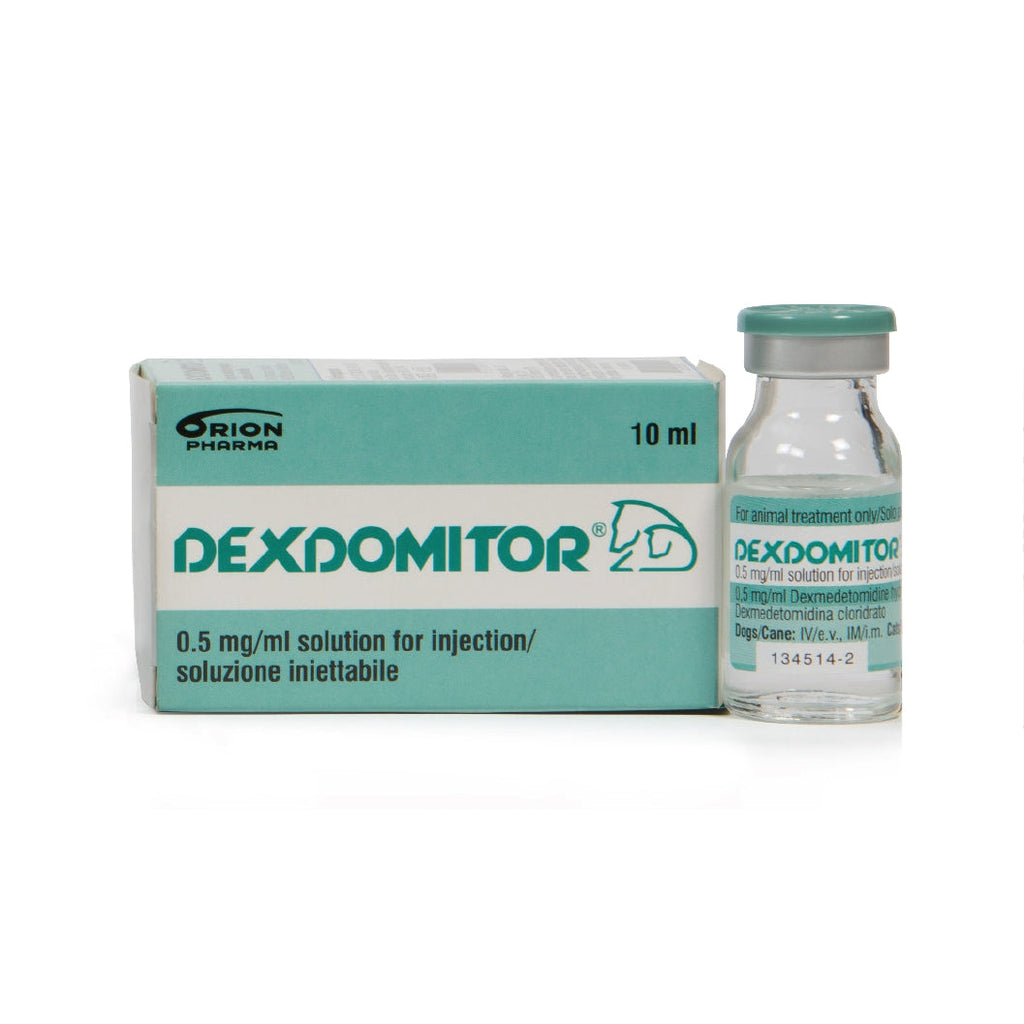
Dexdomitor (Dexmedetomidine) Injection
Dexdomitor is a market-leading alpha-2 agonist prized for reliable, dose-sparing sedation and predictable analgesia that can be rapidly reversed with atipamezole; compared with other products here it produces deeper, longer sedation but carries greater cardiovascular effects than agents like midazolam or alfaxalone. Its established veterinary labeling and widespread distribution make it a practical choice for clinics needing consistent premedication profiles and the clinical and economic advantages of a dedicated reversal strategy.
$40-150
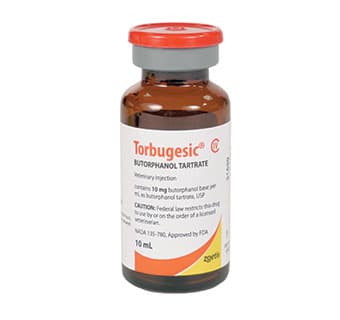
Torbugesic-SA (Butorphanol Tartrate) Injection
Torbugesic-SA is a widely used kappa-opioid sedative-analgesic that offers mild to moderate sedation with minimal cardiovascular compromise, making it a gentle alternative or adjunct to alpha-2 agonists and dissociatives. Because it is often available as a generic and is inexpensive per dose, it is commonly used in multimodal premedication to reduce doses (and side effects) of pricier or more cardioactive agents like dexmedetomidine or telazol.
$20-80
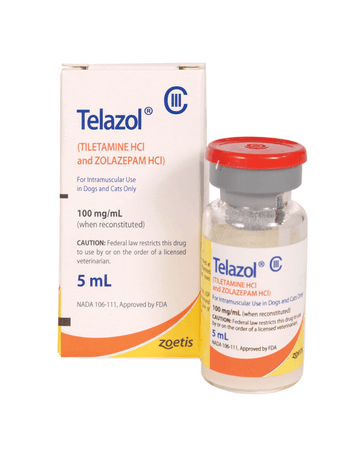
Telazol (Tiletamine-Zolazepam) Injection
Telazol combines a dissociative with a benzodiazepine to produce rapid, profound immobilization ideal for fractious or high-anxiety patients; versus alpha-2 agonists and alfaxalone it typically gives a deeper induction and more prolonged recovery, which can be advantageous for safe handling but may increase monitoring needs. Although often subject to tighter controls and higher per-vial cost, its strong, predictable effect can reduce labor and risk during restraint or complex procedures, offsetting direct drug cost in some settings.
$80-250
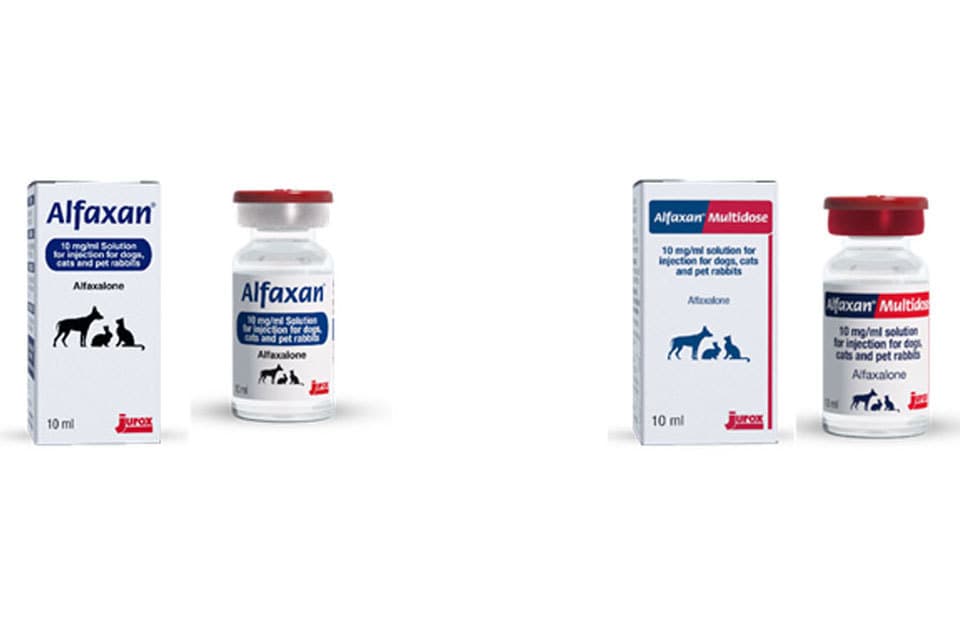
Alfaxan Multidose (Alfaxalone) Injection
Alfaxan Multidose is a neuroactive steroid induction agent known for smooth, rapidly titratable sedation with excellent cardiovascular stability and fast recoveries, making it preferable for cardiac-compromised patients compared with dexmedetomidine or Telazol. Its multidose packaging and growing availability have improved per-use economics for clinics that prioritize rapid turnover and predictable recovery quality.
$80-200
Acepromazine Maleate Injection (VETone)
Acepromazine (VETone) is a long-established phenothiazine tranquilizer valued for consistent anxiolysis and very low cost per dose, positioning it as a budget-friendly baseline sedative compared with newer branded agents. It provides no analgesia and has no pharmacologic reversal, so while financially attractive for routine calming, it is less appropriate when rapid reversal or significant analgesic effect is required.
$10-60
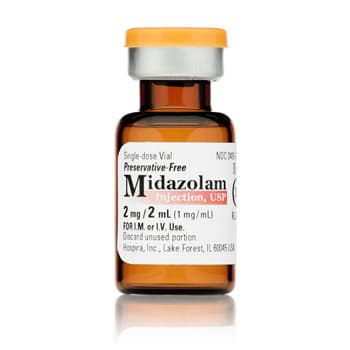
Midazolam Injection USP
Midazolam is a short-acting benzodiazepine offering anxiolysis, muscle relaxation, and amnesia with minimal cardiovascular depression, making it an excellent dose-sparing adjunct to opioids, alfaxalone, or dissociatives without the hemodynamic impact of alpha-2 agonists. Broad generic availability and frequent use as a combination partner make midazolam one of the most cost-effective and flexible options in premedication protocols, and it benefits from a specific benzodiazepine antagonist for reversal when necessary.
Antisedan (Atipamezole) Injection
Antisedan (atipamezole) is the specific antagonist for alpha-2 agonists like dexmedetomidine, enabling rapid, reliable reversal of sedation and a quicker return to function—an operational and safety advantage not provided by the sedatives themselves. Though not a sedative, its availability improves the economic efficiency and clinical control of alpha-2–based protocols by shortening recovery times and reducing monitoring needs.

$30-150
Evidence and Research Overview
Scientific and clinical research supports the use of injectable sedative premedications to reduce anxiety, improve analgesia when used as adjuncts, decrease required doses of induction and inhalant agents, and to facilitate safer handling and procedures. Studies range from pharmacokinetic and pharmacodynamic evaluations to controlled clinical trials comparing cardiorespiratory effects, onset and duration, and recovery profiles. Reversal agents and multimodal protocols have been well studied and are central to current practice because they improve safety and speed recovery when needed.
Dexmedetomidine: Pharmacodynamic studies show strong, dose-dependent sedation and analgesic sparing effects. Use with an appropriate reversal agent improves safety margins.
Atipamezole (Antisedan): Clinical trials demonstrate rapid and reliable reversal of alpha-2 agonists, shortening recovery time and reversing bradycardia associated with these drugs.
Alfaxalone: PK and safety studies support use as an induction agent with a favorable cardiovascular profile at appropriate doses; the multidose presentation improves clinic workflow when aseptic technique is maintained.
Tiletamine-zolazepam (Telazol): Effective for heavy sedation and induction in fractious or high-stress patients, but research notes variable recoveries and the need for supportive care in some cases.
Butorphanol (Torbugesic-SA): Evidence shows it provides mild to moderate analgesia and sedation, and it is commonly used as a component of balanced sedation protocols.
Acepromazine: Long-standing clinical data confirm reliable tranquilization, but lack of a specific reversal agent and prolonged duration require careful patient selection.
Midazolam: Studies highlight its anxiolytic and muscle relaxant properties; it is often used as an adjunct to other sedatives for smoother induction, especially in high-risk patients.
Frequently Asked Questions
Which dog injectable premedication should I choose for restraint?
Dexdomitor (Dexmedetomidine) Injection is a strong pick for restraint and premedication because it’s a high-potency alpha-2 agonist providing reliable sedation and analgesia, with rapid wake-up reversibility using atipamezole (Antisedan).
What exact sedative effect does Telazol provide?
Telazol (Tiletamine-Zolazepam) Injection combines tiletamine (dissociative) and zolazepam (benzodiazepine) for profound sedation and immobilization, and it’s noted as ideal for fractious or high-anxiety patients that need injectable induction when inhalant induction is impractical.
How does Torbugesic-SA value compare versus Dexdomitor?
Torbugesic-SA (Butorphanol Tartrate) Injection is rated 4.3 and described as a gentle option with mild to moderate sedation and minimal cardiovascular compromise, often combined with alpha-2 agonists to reduce the doses of other agents.
Is Dexdomitor reversible, and what’s the warranty duration?
Dexdomitor (Dexmedetomidine) Injection is specifically reversible with atipamezole (Antisedan), but no warranty duration information is provided in the listed product data.
Conclusion
This 2026 overview of injectable sedative premedications for dogs in the USA highlights practical selection criteria and seven commonly chosen products: Dexdomitor (Dexmedetomidine) Injection, Torbugesic-SA (Butorphanol Tartrate) Injection, Telazol (Tiletamine-Zolazepam) Injection, Alfaxan Multidose (Alfaxalone) Injection, Acepromazine Maleate Injection (VETone), Midazolam Injection USP, and Antisedan (Atipamezole) Injection. Each has a clear role: Telazol and Alfaxan Multidose are strong induction and heavy-sedation options, Torbugesic-SA and Midazolam are useful adjuncts for analgesia and anxiolysis, and acepromazine remains a staple tranquilizer for specific cases. Antisedan provides the reliable reversal clinicians expect for alpha-2 agonists. Overall, for most clinics seeking a balance of reliable sedation, cardiovascular safety, and rapid, controllable recovery, Dexdomitor combined with Antisedan is often the best choice. We hope you found the information you were looking for. You can refine or expand your search using the site search to compare dosing, vial sizes, regulatory notes, or to find product-specific data sheets.