Smartwatches: Top 5 Options in the USA for 2026
Published on Monday, January 26, 2026
Smartwatches are the go-to wearable for Americans who want a compact mix of health monitoring, phone convenience, and personal style on their wrist. By 2026 the category continues to attract buyers across age and income groups because devices now combine reliable activity and heart-rate tracking, sleep insights, cellular connectivity, and seamless smartphone integration. Consumers choose models based on ecosystem compatibility (iOS vs Android), battery life, health features such as ECG and SpO2, design and strap options, and app availability. Price tiers range from budget fitness bands that cover basics to premium smartwatches with advanced sensors and on-device AI features. Privacy, long-term accuracy, and medical integration remain top considerations for buyers, while many users favor brands that offer strong software updates and support.
Top Picks Summary
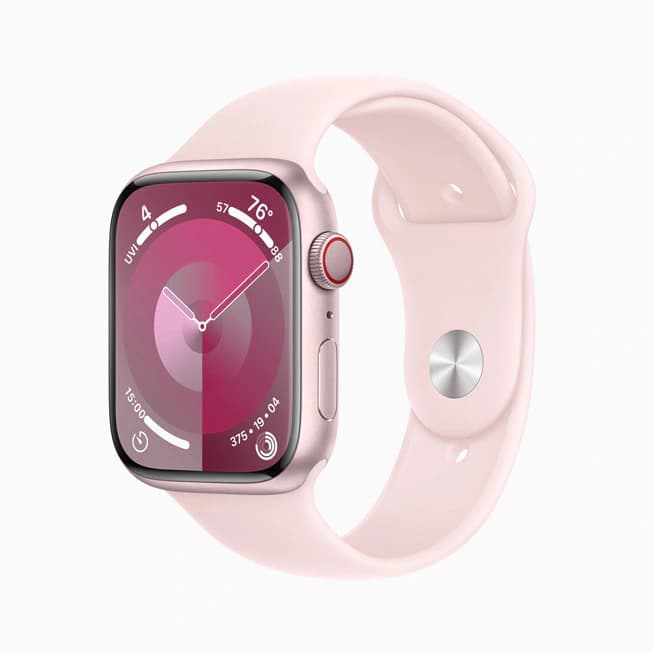
Apple Watch Series 9
The Apple Watch Series 9 holds its position as the market leader thanks to seamless integration with the iPhone, a powerful S9 chip, and a broad app ecosystem that delivers the most polished third‑party experiences for smartwatches. Compared with the other watches on this list it commands a premium price but offers faster software updates, higher resale value and the most refined health and safety features for users deeply invested in Apple’s ecosystem.
Samsung Galaxy Watch 6
The Samsung Galaxy Watch 6 is the top choice for Android users, pairing strong health tracking, a vivid AMOLED display and broad Wear OS app support at a more competitive price than the highest‑end options. It undercuts Apple on cost while matching many technical features, and its compatibility with a wider range of Android phones gives it financial and practical advantages for non‑iPhone buyers compared with the Apple Watch and Pixel Watch 2.

Google Pixel Watch 2
The Google Pixel Watch 2 stands out for tight Google service integration and first‑party software features—think improved Assistant, Maps and deeper Fitbit health data—making it a compelling pick for users who live in Google’s ecosystem. Priced between premium Apple models and midrange Android options, it offers polished software and health insights but trades some battery life and third‑party app depth versus Apple and Samsung.

Garmin Venu 3
The Garmin Venu 3 is best‑in‑class for athletes and outdoor enthusiasts, delivering exceptional GPS accuracy, advanced training metrics and multi‑day battery life that outperforms generalist smartwatches. Technically optimized for fitness and navigation rather than a dense app store, it provides superior sport‑specific value for users who prioritize performance metrics and battery longevity over broader smartwatch app ecosystems.

Fitbit Sense 2
The Fitbit Sense 2 is a value‑focused, health‑first smartwatch that brings stress management tools, solid sleep and heart‑health tracking, and long battery life at a lower price point than many flagship models. It sacrifices some advanced app capabilities and the deep phone‑platform integrations of Apple and Samsung but delivers strong biometric features and an affordable entry to subscription‑backed health analytics for budget‑minded buyers.

What research says about smartwatch benefits
Scientific studies and systematic reviews have evaluated how wrist-worn devices help with activity, heart rhythm screening, sleep estimates, and fall detection. Evidence shows smartwatches can support healthier habits and enable earlier detection of some heart rhythm irregularities, but accuracy varies by sensor, activity type, and clinical context. Below are beginner-friendly summaries of key findings from peer-reviewed research and reviews.
Physical activity and behavior change: Multiple trials and meta-analyses report that wearable activity trackers can produce modest increases in daily steps and moderate exercise when combined with goal setting and feedback, making them useful tools for habit formation.
Heart rate monitoring: Optical heart rate sensors are generally accurate at rest and during steady-state exercise, but accuracy decreases during very high-intensity or irregular motion; chest straps remain the gold standard for elite-level training.
Arrhythmia and AFib screening: Large-scale studies of smartwatch irregular rhythm notifications have shown that consumer devices can detect potential atrial fibrillation episodes, prompting clinical follow-up. Detection is not diagnostic and should be confirmed with medical-grade testing.
Pulse oximetry and SpO2: Wrist-based SpO2 readings provide trend-level information and can be useful for wellness monitoring, but their absolute accuracy varies by device and conditions; they are not a substitute for medical oximeters in clinical settings.
Sleep tracking: Smartwatches reliably estimate sleep timing and total sleep duration for many users, though accuracy for sleep stages (light, deep, REM) is more limited compared with laboratory polysomnography.
Fall detection and emergency response: Studies and real-world reports indicate automatic fall detection and emergency alerts can reduce response time after a fall, especially for users who may not be able to call for help themselves.
Clinical integration: Research supports selective medical uses of wearable data (for example, remote monitoring and long-term trend analysis), but widespread clinical adoption depends on data accuracy, interoperability, and validated workflows.
Frequently Asked Questions
Which smartwatch should I buy for iPhone users?
Apple Watch Series 9 is the best pick for iPhone users because it offers seamless iPhone and iOS integration for calls, messages, and Handoff, with an average rating of 4.7.
What exact health sensors are on Apple Watch Series 9?
Apple Watch Series 9 includes ECG, blood oxygen, and precise heart-rate monitoring as part of its advanced health sensors, and it has an average rating of 4.7.
How does Samsung Galaxy Watch 6 price compare?
Samsung Galaxy Watch 6 costs $99.99 USDversus Apple Watch Series 9 at $224.99 USDgiving you a bright AMOLED display plus comprehensive fitness and sleep tracking with a 4.5 average rating.
Is Google Pixel Watch 2 better for Google services?
Google Pixel Watch 2 is for people who want Google services integration, since it supports Maps, Assistant, and Wallet, with a 4.2 average rating and a $88.74 USDlisting price.
Conclusion
Smartwatches in the USA remain a versatile category for fitness, health, connectivity, and style. We hope this overview helped you understand key features and research-backed benefits. If you did not find exactly what you need, use the search or filters to refine or expand your results and discover the models that best match your priorities.