Top 7 Robotic Surgical Arms in the USA for 2026
Published on Thursday, February 26, 2026
Robotic surgical arms are cutting-edge medical devices designed to assist surgeons in performing precise and minimally invasive procedures. These advanced technological tools have revolutionized surgical practice by enhancing surgeon dexterity, improving accuracy, and enabling better patient outcomes. As minimally invasive surgeries become the preferred choice in many specialties, demand for robotic surgical arms in the United States continues to grow because they can reduce recovery time, minimize scarring, and lower the risk of complications. Hospitals and outpatient surgical centers favor systems that deliver consistent precision, integrate with digital imaging and planning tools, and support surgeon ergonomics and training. Consumers and providers alike value proven clinical benefits, streamlined workflows, and reliable vendor support. While cost and operating room integration remain important considerations, adoption is rising as more evidence accumulates, regulatory approvals expand, and competition drives innovation and choice across specialties such as urology, gynecology, general surgery, orthopedics, spine, and neurosurgery.
Top Picks Summary
Intuitive da Vinci Xi Surgical System
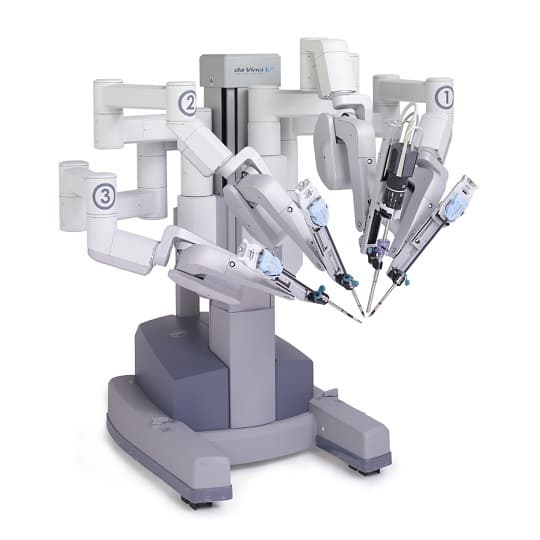
The da Vinci Xi is a widely adopted multi-arm robotic surgical platform optimized for multi-quadrant soft-tissue procedures and represents a mature choice for robotic surgical arms due to its extensive instrument library and large installed base. Compared with single-port and specialty systems on this list, the Xi delivers broader case mix capability and high throughput—at the tradeoff of higher proprietary instrument and service costs that are offset in high-volume centers by lower amortized capital cost per case.

Intuitive da Vinci SP Surgical System
The da Vinci SP is a single-port robotic surgical arm designed for true single-incision access with articulated instruments that minimize footprints for complex minimally invasive soft-tissue surgery. Technically distinct from the multiquadrant Xi and from orthopedics- and neuro-focused systems here, the SP can reduce incision burden and instrument count for targeted procedures, though its narrower case mix limits the revenue diversification available to hospitals compared with multi-arm platforms.
$1,400,000-2,000,000
Medtronic Hugo RAS System
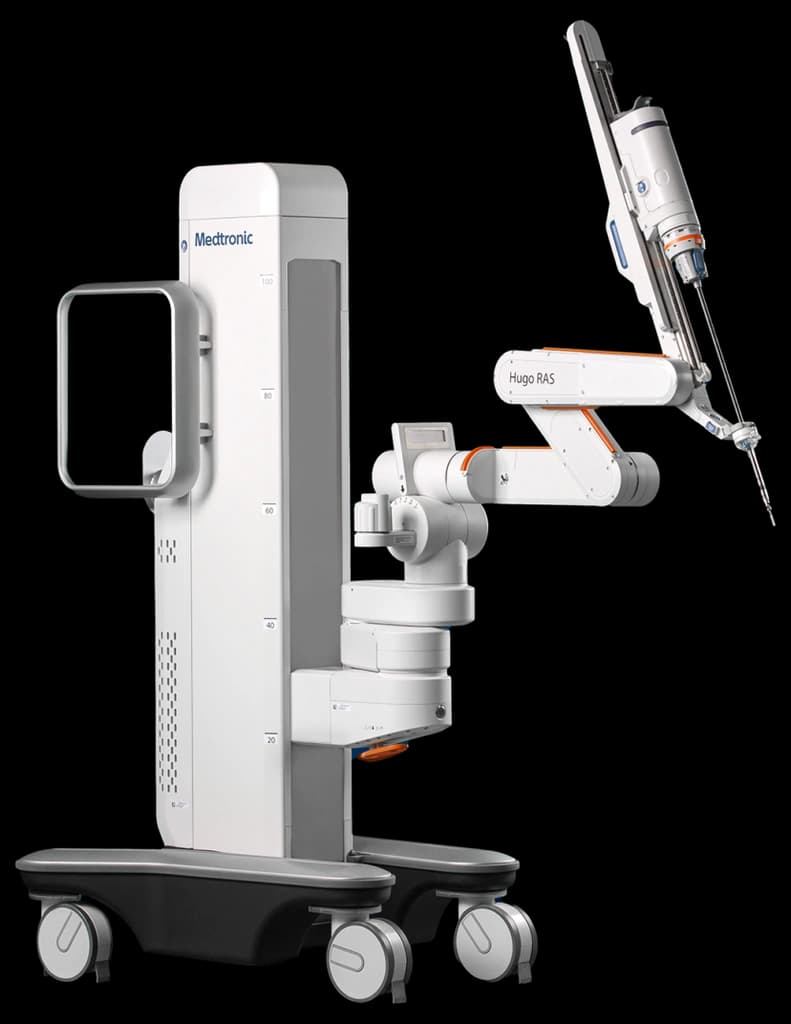
The Hugo Robotic-Assisted Surgery (RAS) System from Medtronic stands out due to its modular design and the integration of advanced surgical technology. It allows for a flexible setup, enabling hospitals to expand robotic capabilities without heavy upfront costs. With features that promote team collaboration and communication, the Hugo system enhances the overall surgical experience and patient outcomes. Medtronic's focus on user-friendly interfaces and superior robotic instrumentation helps surgeons perform minimally invasive surgeries with greater ease and efficiency.
600000-800000$
Stryker Mako SmartRobotics
Mako SmartRobotics is a market-leading robotic arm system for orthopedic joint replacement that combines haptic guidance, preoperative planning, and real-time feedback to improve implant alignment and consistency. Unlike the soft-tissue robotic arms above, Mako’s value is technical precision in bone workflows and a clear financial case—potentially reducing revision rates and improving implant economics—while fitting into predictable high-volume arthroplasty revenue streams.

$700,000-1,200,000
Zimmer Biomet ROSA ONE
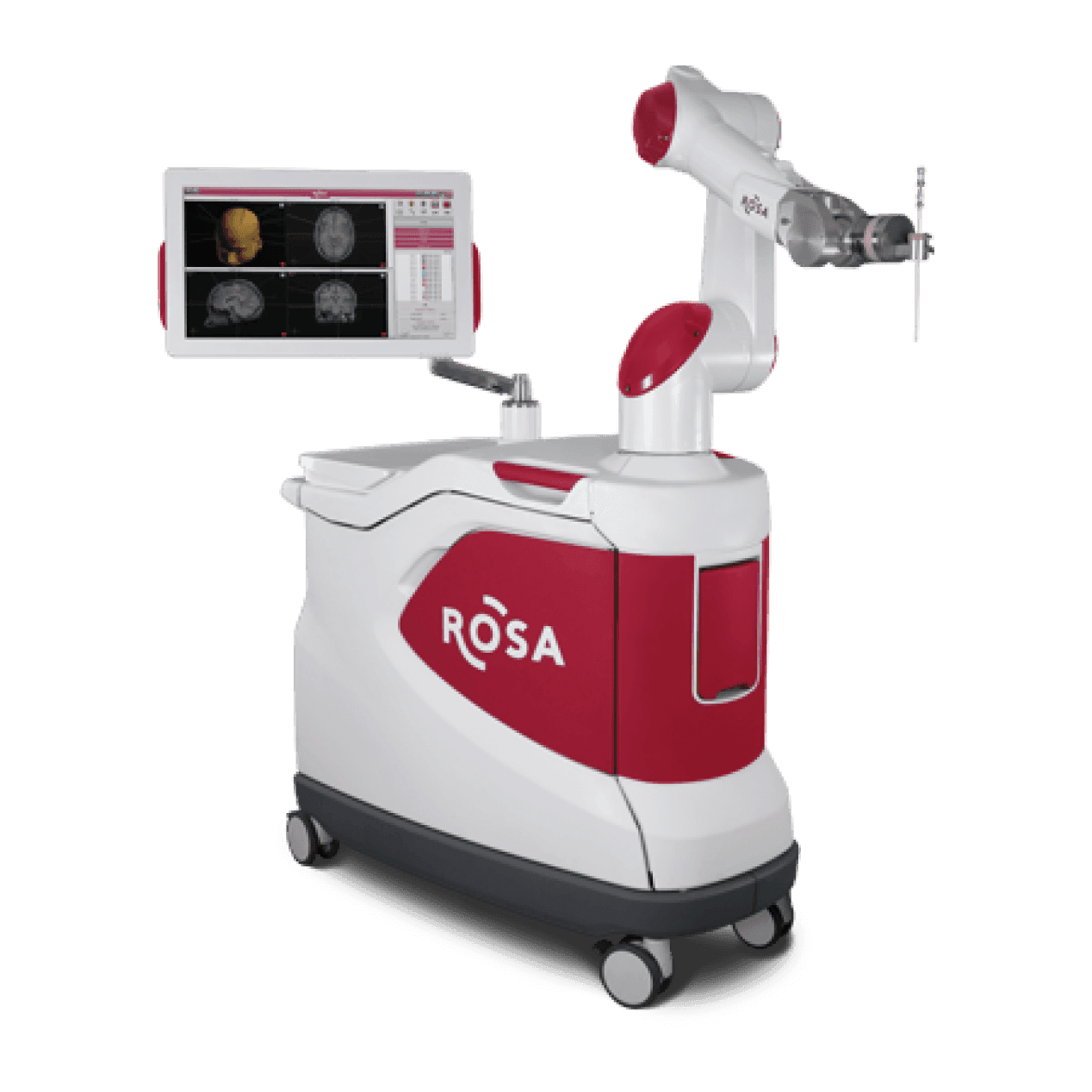
ROSA ONE is a versatile robotic arm platform focused on neurosurgery and spine that integrates image-guided navigation and modular tooling to enable highly precise cranial and spinal procedures. In contrast to general surgical and orthopedic arms, ROSA’s strength is millimetric accuracy for complex cases; its technical integration with imaging can shorten OR time and support premium procedure pricing, albeit with substantial upfront imaging and integration investment.
$600,000-1,200,000
CMR Surgical Versius
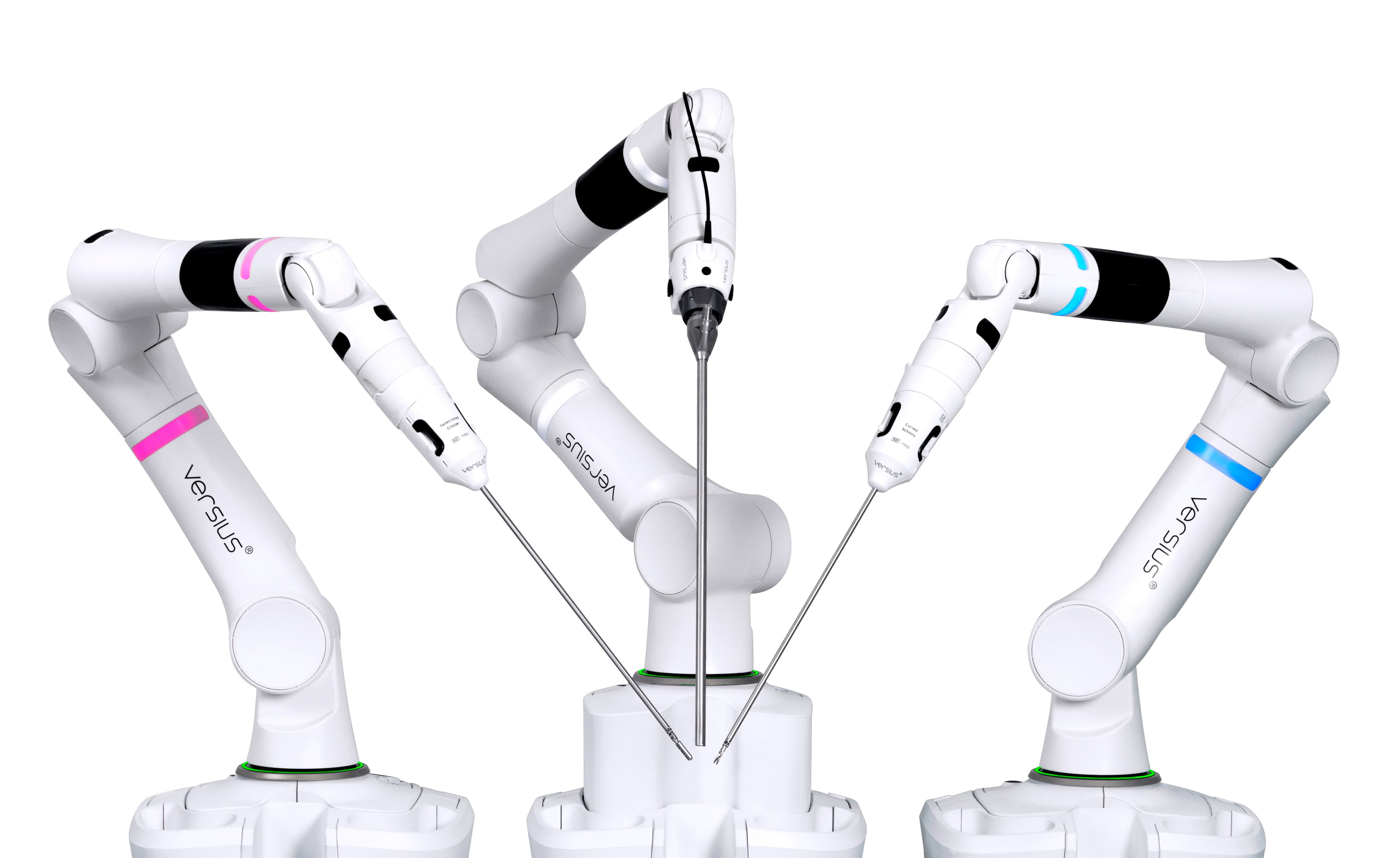
The Versius Surgical Robotic System by CMR Surgical is designed with a focus on flexibility and ergonomics, making it a game-changer in robotic-assisted surgeries. Its modular design empowers hospitals to utilize the system in various surgical contexts while minimizing capital expenditure. This platform features advanced motion and visualization technologies that provide surgeons with enhanced dexterity and precision. Versius aims to make robotic surgery accessible to a broader range of hospitals and surgical teams, revolutionizing the field.
400000-600000$
Johnson & Johnson Ottava Robotic System
The Ottava Robotic System is an open, modular robotic arm platform designed to support multi-vendor instruments and deep integration with digital OR systems and consumable supply chains. Positioned against established closed ecosystems, Ottava emphasizes interoperability and bundled-service procurement to lower total cost of ownership and enable volume-based savings—offering hospitals a financially attractive alternative for deploying robotic surgical arms across diverse case mixes.
Research and Evidence Behind Robotic Surgical Arms
A growing body of clinical research supports the benefits of robotic surgical arms for many procedures. Peer-reviewed studies, meta-analyses, randomized controlled trials, and large registry reports commonly show improvements in surgical precision, reductions in intraoperative blood loss, shorter hospital stays, and faster functional recovery for selected procedures. At the same time, research highlights the importance of surgeon experience, structured training, and case selection to achieve those outcomes. Health economics studies examine cost versus benefit across hospital types and procedure volumes, showing the greatest value when systems are used for high-volume indications and when workflow efficiencies are realized.
Randomized controlled trials and meta-analyses: show reduced blood loss, lower conversion rates to open surgery, and shorter length of stay for many minimally invasive procedures compared with conventional laparoscopy in select indications.
Specialty-specific evidence: strong outcomes data in urology and gynecology, expanding evidence in colorectal, thoracic, spine, and orthopedic applications.
Registry and real-world studies: provide safety and effectiveness data across larger patient populations and varied hospital settings.
Training and learning curve research: indicates measurable improvements in outcomes as surgical teams complete structured training, simulation, and proctorship programs.
Health economics and cost-effectiveness analyses: highlight that financial value is linked to procedure volume, case mix, and integration with perioperative workflows.
Frequently Asked Questions
Which robotic surgical arm fits multi-quadrant soft-tissue cases best?
The Intuitive da Vinci Xi Surgical System fits best for multi-quadrant soft-tissue procedures because it has four robotic arms with wristed EndoWrist instruments and an established multi-quadrant instrument library, with an average rating of 4.7.
What exact feature does the da Vinci Xi provide?
The Intuitive da Vinci Xi Surgical System provides high-definition 3D stereoscopic visualization plus wristed EndoWrist instruments on four robotic arms for multi-quadrant access; it has an average rating of 4.7.
How does Hugo RAS compare on price value for hospitals?
The Medtronic Hugo RAS System is described as flexible for various specialties to help hospitals expand robotic capabilities without heavy upfront costs; it has an average rating of 4.6, but no specific price is listed.
Is da Vinci SP better than Xi for single-incision surgery?
Yes for true single-incision access: the Intuitive da Vinci SP Surgical System uses a single-port design delivering multiple articulating instruments and a fully wristed endoscope through one incision; it targets narrow-field cases and has an average rating of 4.3.
Conclusion
Robotic surgical arms represent a major advancement in surgical care across the United States. The seven leading systems profiled here reflect different design philosophies and clinical strengths: Intuitive da Vinci Xi Surgical System, Intuitive da Vinci SP Surgical System, Medtronic Hugo RAS System, Stryker Mako SmartRobotics, Zimmer Biomet ROSA ONE, CMR Surgical Versius, and Johnson & Johnson Ottava Robotic System. For broad clinical adoption, versatility across specialties, and the largest installed base, the Intuitive da Vinci Xi Surgical System is often the best choice for many hospitals and surgical teams. That said, the da Vinci SP excels for single-port procedures, Medtronic Hugo RAS offers modular openness, Stryker Mako is focused on robotic joint replacement, Zimmer Biomet ROSA ONE serves spine and cranial workflows, CMR Surgical Versius emphasizes modularity and OR footprint, and the Johnson & Johnson Ottava system integrates advanced imaging and workflow tools. We hope you found the overview useful. If you want to refine or expand your search for a specific specialty, budget, or hospital setting, use the search to narrow results or explore detailed comparisons.