Top 7 Laparoscopic Surgical Robots in the USA for 2026
Published on Thursday, February 26, 2026
Laparoscopic surgical robots represent a significant advancement in medical technology, enabling surgeons to perform intricate procedures through small incisions. In the USA, this minimally invasive approach is increasingly preferred by both healthcare professionals and patients because it can reduce post-operative pain, shorten hospital stays, and speed recovery. These robotic systems deliver enhanced precision, stability, and instrument articulation beyond conventional laparoscopy, which helps surgeons tackle complex cases with improved ergonomics and reproducible outcomes. Adoption is driven by hospitals seeking competitive clinical outcomes, patients seeking faster recoveries and smaller scars, and surgical teams seeking better visualization and control. Cost, staff training, and case volume remain important considerations for institutions evaluating these systems, but ongoing device innovation and growing clinical evidence continue to expand access across academic centers and community hospitals.
Top Picks Summary
da Vinci Xi Surgical System
The Da Vinci Xi Surgical System is a state-of-the-art robotic surgical platform that enhances precision, flexibility, and control during minimally invasive procedures. Its advanced imaging and ergonomics make it stand out by providing surgeons with a high-definition 3D view of the surgical field and greater range of motion than traditional laparoscopic instruments. With its modular design, it allows for quick setup and versatility across various surgical specialties. This system has transformed the landscape of robotic surgery, enabling faster recovery times and less postoperative pain for patients.

da Vinci SP Surgical System
The da Vinci SP is Intuitive Surgical's single-port robotic platform optimized for advanced laparoscopic procedures, offering multiple articulating instruments through a single incision to minimize access trauma. It holds a market-leading position because of its extensive clinical evidence, mature instrument ecosystem and tight workflow integration, though it generally entails higher capital and maintenance costs than newer modular systems like Medtronic's HUGO or niche endoluminal platforms such as Ion.
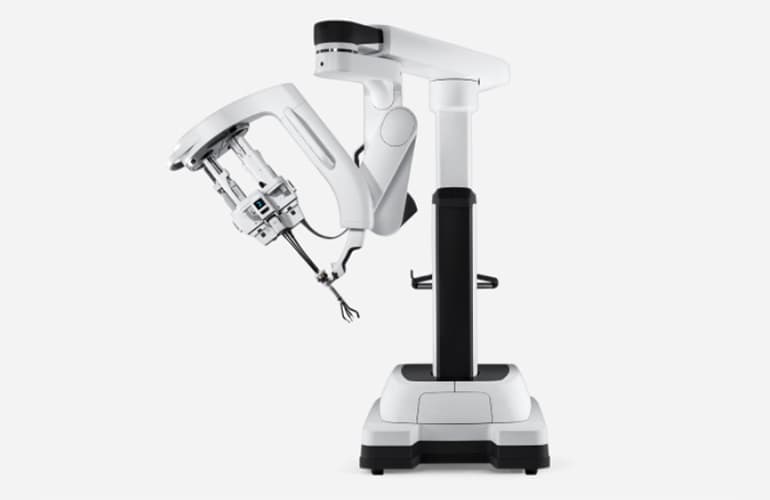
Senhance Surgical System
The Senhance Surgical System introduces a new dimension in laparoscopic surgery with its unique haptic feedback technology and eye-tracking capabilities. This technology allows surgeons to have a more intuitive surgical experience, as it provides tactile sensations during the procedure. Its integrated analytics platform also facilitates data management for enhanced decision-making. Unlike other robotic systems, Senhance offers a compact design that is adaptable to various surgical environments.
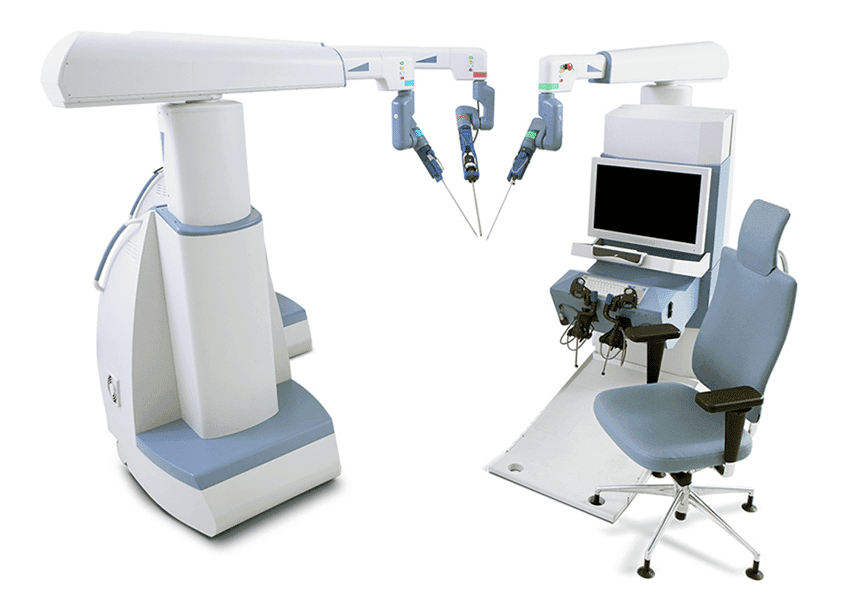
1000000-1500000$
Versius Surgical Robotic System
The Versius Surgical Robotic System brings a versatile and cost-effective approach to robotic surgery. Its modular design allows for easy setup and movement between surgical suites, making it accessible for various types of procedures. With its 3D visualization and precision instruments, Versius stands out by enhancing surgical ergonomics and reducing strain on surgeons. This system is aimed at democratizing robotic surgery, ensuring that more hospitals can benefit from advanced surgical technologies.
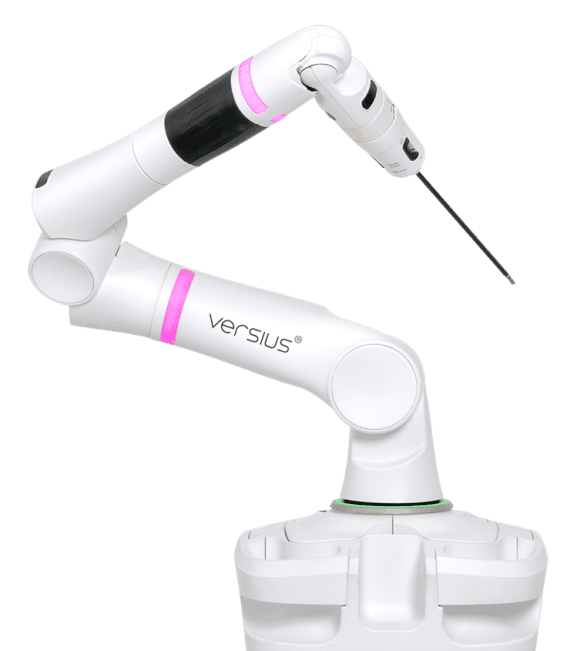
Hugo RAS System
Medtronic's HUGO RAS is a modular, multi-arm robotic assistant for multiport laparoscopic surgery that emphasizes open architecture and independent arm carts to increase OR flexibility. It competes with da Vinci by offering a potentially lower barrier to adoption and more flexible deployment—which can translate into financial advantages for hospitals scaling robotic laparoscopy—while still being newer with less long-term comparative outcome data.
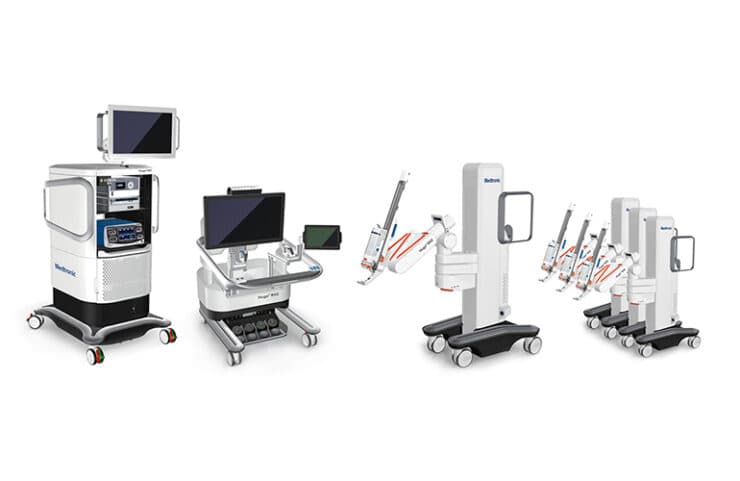
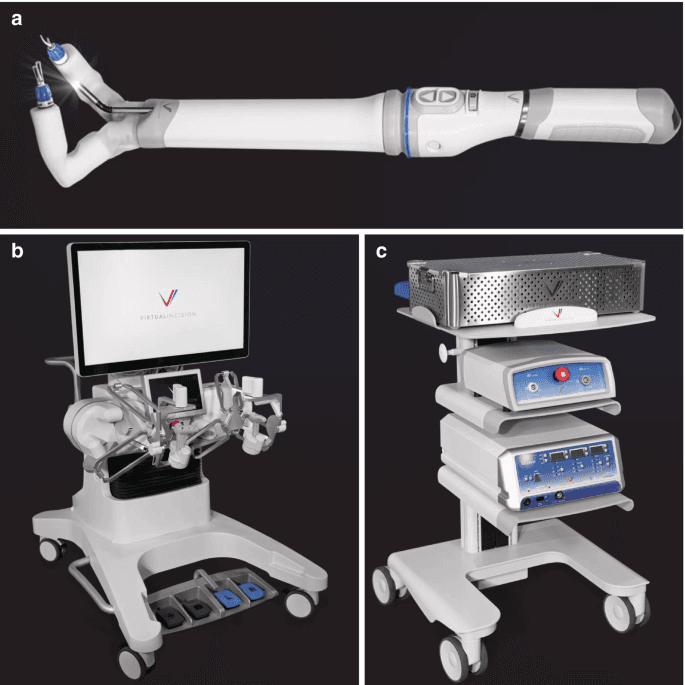
Mira Surgical System
The Mira Surgical System offers a unique combination of advanced robotic capabilities and a user-friendly interface, making it an ideal choice for both experienced and novice surgeons. With its focus on affordability without compromising quality, Mira is designed to improve patient outcomes through minimally invasive procedures. Its intuitive controls and flexible configurations make it suitable for a variety of surgical applications. This system aims to bridge the gap in robotic surgery accessibility, ensuring more hospitals can leverage cutting-edge technology.
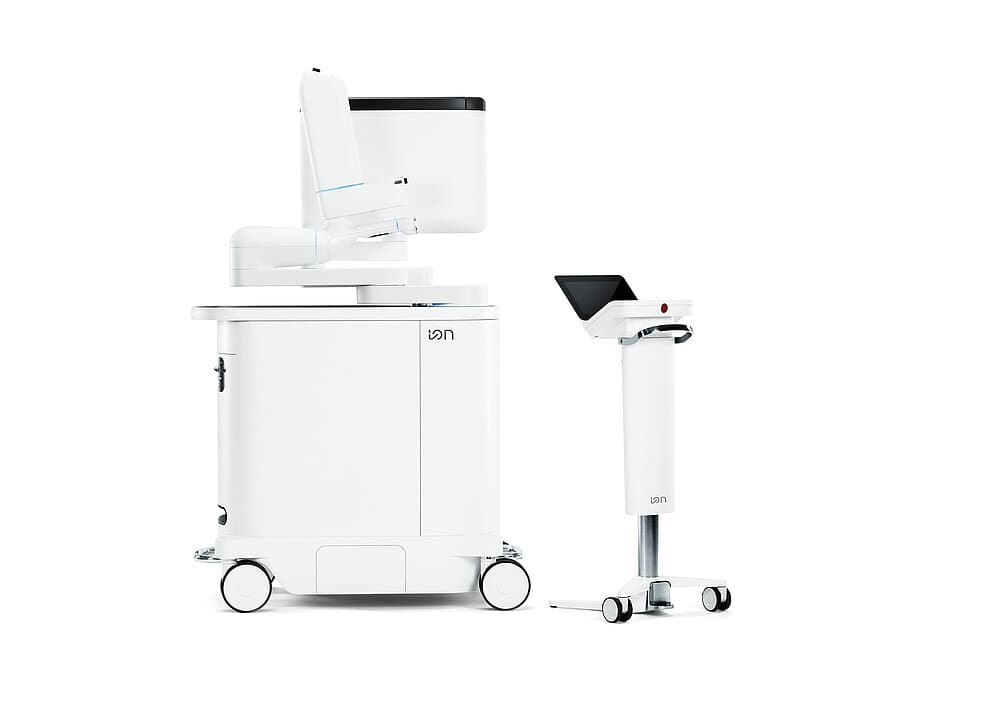
Ion Endoluminal System
The Ion Endoluminal System is a flexible, catheter-based robotic platform focused on endoluminal navigation rather than traditional abdominal laparoscopy, so within a laparoscopic-robotics comparison it serves best as a complementary tool for intraluminal access and biopsy. Its technical strengths are ultra-flexible steering and a very small footprint, which can lower initial capital requirements relative to full OR robotic suites and expand minimally invasive options, but it is not a direct substitute for multiport or single-port laparoscopic robotic platforms when performing abdominal surgery.
What the Research Says About Laparoscopic Surgical Robots
A growing body of peer-reviewed studies and clinical reviews supports key benefits of robotic-assisted laparoscopy in specific procedures. Evidence most strongly shows improvements in surgeon ergonomics, dexterity in confined spaces, and in some cases reduced blood loss, lower complication rates, and shorter length of stay compared with conventional open surgery or standard laparoscopy. Outcomes vary by procedure type, surgeon experience, and patient characteristics, so research emphasizes matching the technology with appropriate clinical indications and training programs.
Reduced length of stay and faster recovery have been reported in multiple studies for selected colorectal, gynecologic, and urologic procedures when performed robotically versus open surgery.
Randomized and observational studies indicate lower intraoperative blood loss and fewer conversions to open surgery in some robot-assisted laparoscopic procedures compared with standard laparoscopy.
Meta-analyses show that improvements are procedure-dependent; benefits are clearest for complex reconstructions and narrow-field operations where wristed instruments and 3D visualization matter most.
Surgeon learning curve is a key factor: outcomes improve as surgical teams gain experience and centers implement structured training and proctoring.
Economic studies highlight higher upfront equipment and per-case costs, but some systems may deliver downstream savings through shorter stays, fewer complications, and faster returns to function for patients.
Ongoing clinical trials and registry data collection in the USA are expanding evidence on long-term outcomes, cost-effectiveness, and comparative performance across robotic platforms.
Frequently Asked Questions
Which robot should I choose for advanced laparoscopy?
For advanced laparoscopic procedures, consider the Da Vinci Xi Surgical System because it delivers advanced robotic surgical functions with high precision and has an average rating of 4.8.
Does the Da Vinci SP support single-incision laparoscopic work?
Yes—the Da Vinci SP Surgical System is a single-port, multi-instrument articulating trocar platform designed to minimize access trauma for complex urologic and general laparoscopic procedures, with an average rating of 4.6.
How do prices compare for the Da Vinci SP in USA?
Price and warranty details aren’t provided for the Da Vinci SP Surgical System, but it’s rated 4.6 and includes high-definition 3D visualization plus wristed instruments for enhanced dexterity.
Who might prefer Senhance Surgical System over Da Vinci Xi?
Surgeons who want tactile input may prefer the Senhance Surgical System, since it adds haptic feedback and eye-tracking, with an average rating of 4.5; warranty duration isn’t listed.
Conclusion
Laparoscopic surgical robots are changing how many hospitals in the USA approach minimally invasive surgery. The top options covered here include Da Vinci Xi Surgical System, Da Vinci SP Surgical System, Senhance Surgical System, Versius Surgical Robotic System, Hugo RAS System, MIRA Surgical System, and Ion Endoluminal System. For many centers the Da Vinci Xi Surgical System remains the most established and versatile choice due to its broad clinical track record and extensive case experience, while other systems offer compelling advantages in modularity, single-port access, cost structure, or specialized endoluminal applications. We hope you found what you were looking for; use the site search to refine by procedure type, price range, or clinical features if you want to expand or narrow your results.