Dental Surgical Robots in the USA — Top 6 Systems for 2026
Published on Wednesday, February 25, 2026
Dental surgical robots are revolutionizing dental treatment across the United States by delivering enhanced precision, repeatability, and control during a range of procedures from implant placement to image-guided interventions. Driven by patient demand for minimally invasive care, rising adoption of cone beam CT and CAD/CAM workflows, and growing clinician interest in ergonomics and outcome consistency, these systems appeal to both private practices and specialty clinics. American consumers increasingly prefer clinics that offer advanced technology because robotic and navigation solutions can reduce patient discomfort, lower complication rates, shorten recovery times, and improve long-term prosthetic outcomes. In practice, dental surgical robots and their companion navigation and AI tools integrate preoperative planning, real-time imaging, and guided execution to make complex procedures more predictable and to help dentists deliver higher-value care.
Top Picks Summary
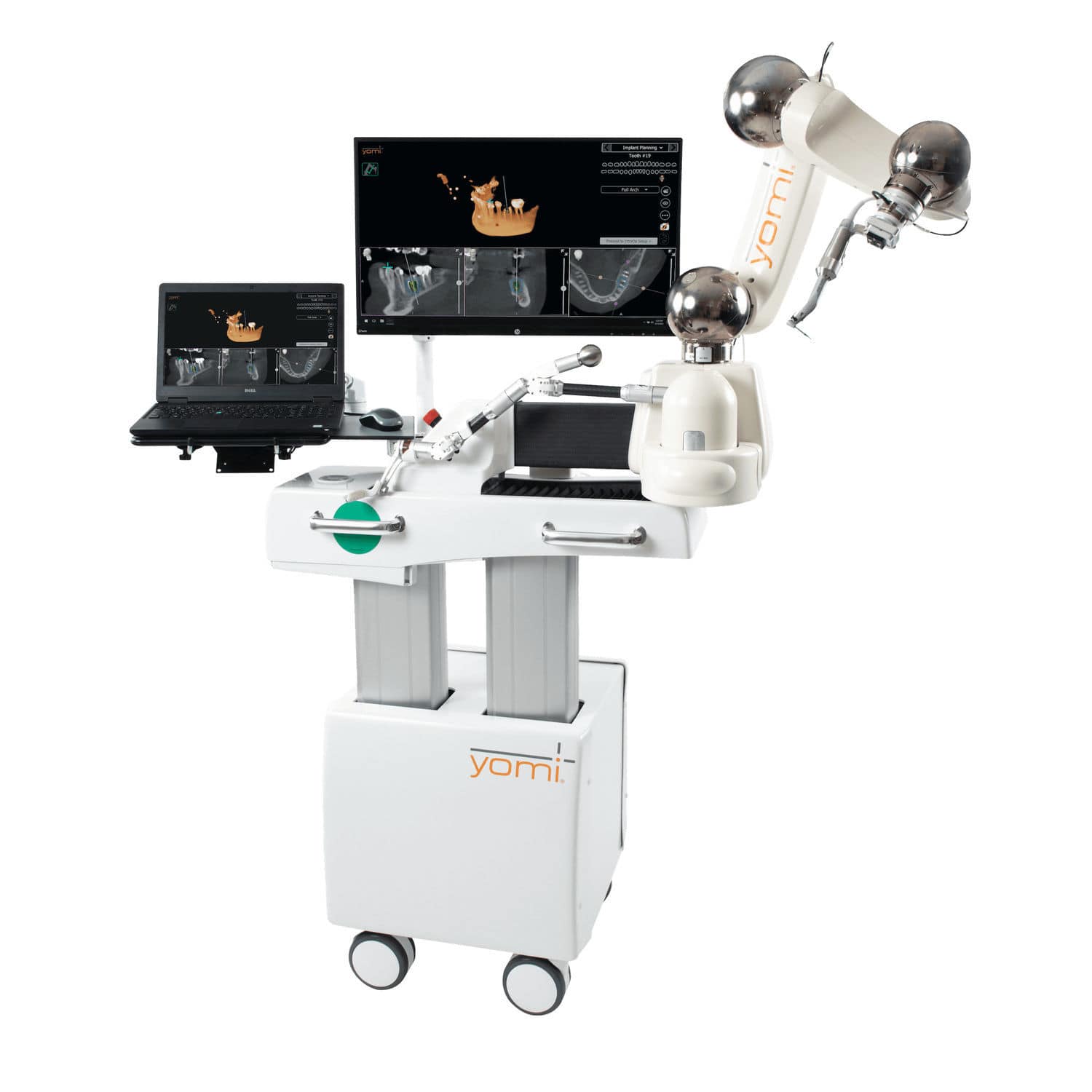
Neocis Yomi Robotic Dental Surgery System
Neocis Yomi is positioned as the best-in-class robotic system purpose-built for dental implant surgery, combining haptic-assisted guidance with a mechanical arm to deliver reproducible osteotomies and implant placement; its clinical adoption and regulatory clearances make it the market leader for clinics seeking a turnkey robotic solution. Compared with navigation-only systems like X-Guide, Yomi’s physical guidance reduces reliance on manual steadiness at the cost of higher upfront capital, while offering a clearer single-vendor workflow than pairing separate AI or imaging platforms.
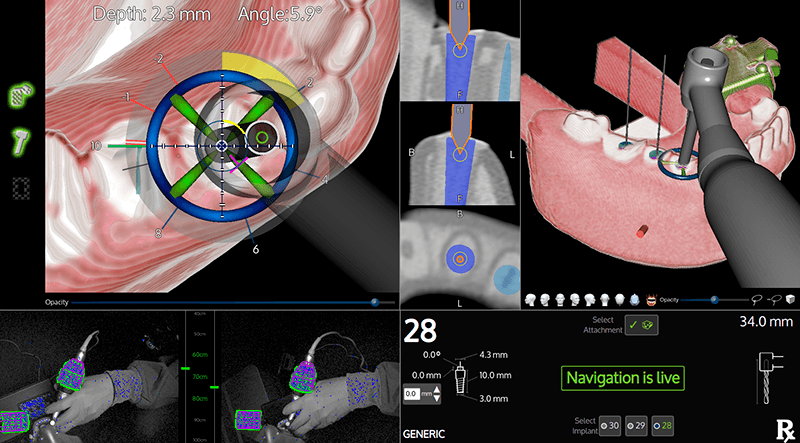
X-Guide Dynamic 3D Navigation System
X-Guide is the market-leading dynamic 3D navigation platform used for guided implant placement, prized for its flexible clinic integration and lower hardware footprint that enables many practices to adopt real-time tracking without the expense of a full robotic arm. Technically it competes with robotic systems by delivering live spatial guidance with lower capital expenditure, and financially it often presents a faster ROI than full-robot solutions while still benefiting from pairing with AI analysis platforms like Overjet for preoperative planning.
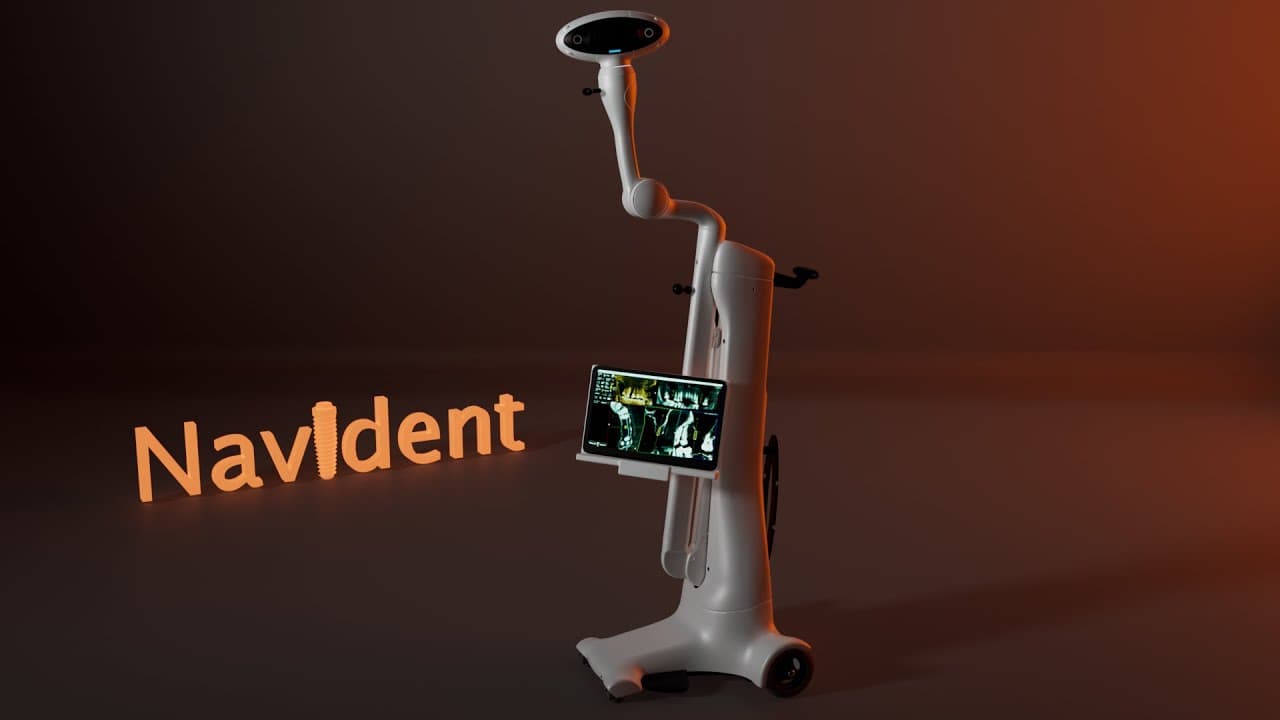
Navident by ClaroNav
Navident from ClaroNav is a cutting-edge navigation system designed for dental professionals seeking precision in implantology. Its innovative technology provides real-time feedback and allows for intuitive surgical guidance, ensuring that implant placements are accurate and efficient. Navident's unique approach to dynamic navigation sets it apart from traditional systems, promoting a seamless integration within existing workflows. As a result, dental clinics benefit from improved accuracy and patient satisfaction.
DENTALVIBE Comfort Injection System
DENTALVIBE is a low-cost patient-comfort device that uses targeted vibration to reduce injection pain and anxiety, making it a practical adjunct in surgical workflows rather than a robot itself; its chief advantage is immediate patient-experience improvement with minimal training and near-immediate ROI through better patient throughput and case acceptance. In the ecosystem of dental surgical robots and navigation tools, DentalVibe complements higher-cost technologies by addressing anesthesia comfort and patient satisfaction without the capital burden of robotic platforms.
$99-399
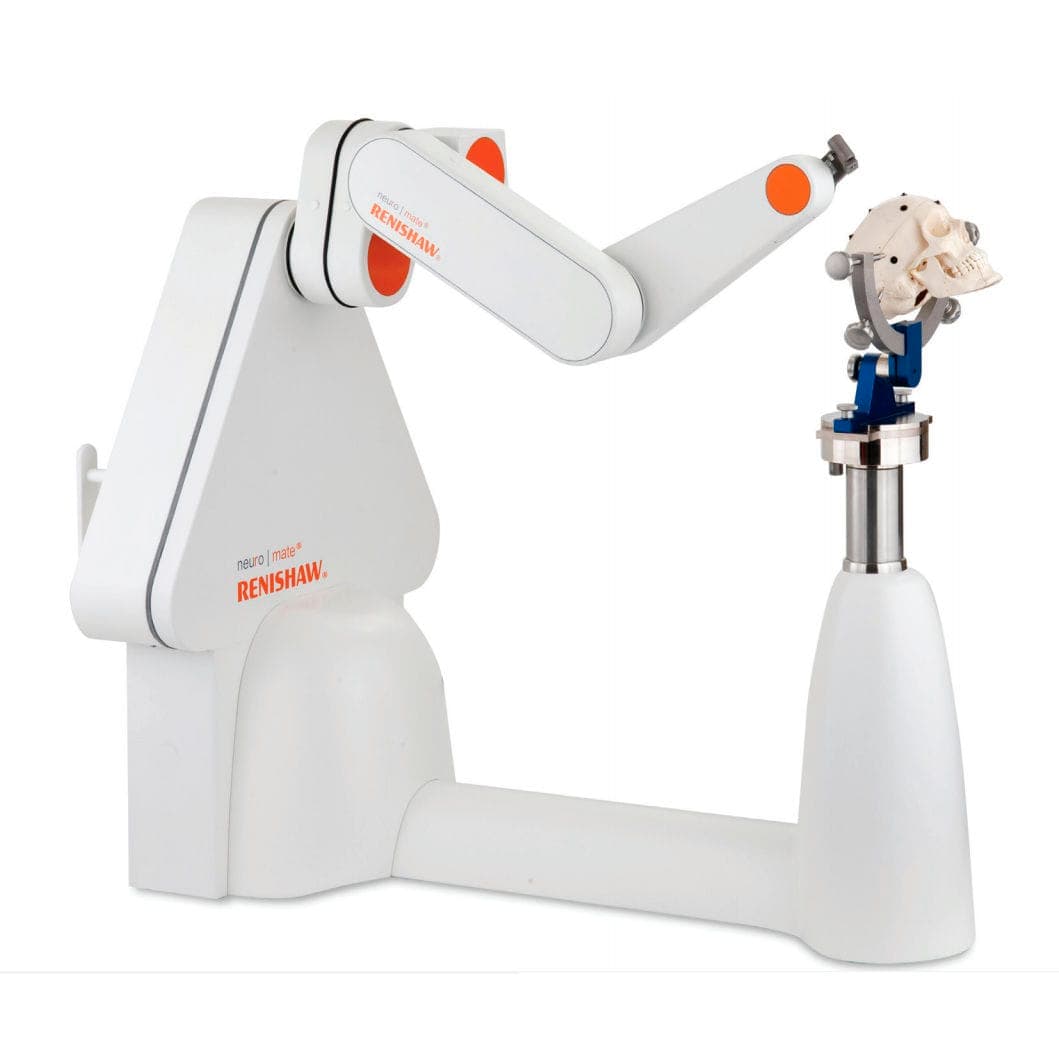
Renishaw NeuroMate Stereotactic Robot
Renishaw’s NeuroMate is a high-precision stereotactic robotic platform renowned for submillimetric targeting accuracy in neurosurgical applications, making it the technical leader where extreme positional accuracy is required and attractive for specialized maxillofacial or implant cases that demand the highest precision. Compared with dental-focused systems like Yomi and X-Guide, NeuroMate delivers greater mechanical accuracy and stability but typically requires a far higher investment, specialized infrastructure, and multidisciplinary expertise, so it suits referral centers rather than general dental practices.
Overjet AI Dental Analysis Platform
Overjet is a market-leading AI dental analysis platform that automates radiographic interpretation, caries detection, and treatment quantification to accelerate diagnosis, documentation, and insurance coding; as a software-first solution it provides scalable financial advantages through subscription-based deployment and measurable time savings for clinicians. While not a robot, Overjet pairs strategically with robotic and navigation systems (e.g., Yomi or X-Guide) to streamline case selection, treatment planning, and outcome reporting, offering a low-capex route to improve surgical decision-making and clinic economics.
What the Research and Clinical Evidence Say
Clinical studies and peer-reviewed reports emphasize improved precision and consistency when using robotic guidance or dynamic navigation for dental procedures, particularly dental implant placement. Research tends to show lower deviation from planned implant positions, fewer intraoperative surprises, and enhanced prosthetic fit when digital planning is combined with guided execution. Outcomes research also highlights faster return to function and high patient satisfaction in many cases. That said, evidence varies by device type, procedure, and operator experience; most authors recommend structured training programs and careful case selection during adoption.
Accuracy: Multiple clinical series report reduced positional deviation for implants placed with robotic assistance or dynamic navigation compared with freehand techniques, improving prosthetic outcomes.
Patient experience: Studies commonly find lower immediate postoperative pain and higher satisfaction when procedures use minimally invasive, robot-assisted workflows.
Efficiency and workflow: Evidence shows time savings for specific steps (for example, guided osteotomies), though total procedure time depends on setup and team experience.
Safety and complications: Early data suggest comparable or reduced complication rates for robot- or navigation-assisted procedures versus traditional approaches, with the strongest evidence for implant placement accuracy.
Training and adoption: Research highlights a learning curve; structured operator training and integration into digital planning systems improve outcomes and reduce setup time.
Limitations: Long-term comparative outcome studies are still limited, and results vary across device classes (robotic arms, dynamic navigation, AI diagnostics, and adjunct comfort devices).
Frequently Asked Questions
Which robot system should I choose for implant surgery?
Choose Neocis Yomi Robotic Dental Surgery System if you want FDA-cleared robot-assisted guidance for dental implant placement with haptic-assisted workflow for reproducible osteotomies and implant placement; it has a 4.5 average rating.
Does X-Guide provide real-time 3D navigation tracking?
Yes—X-Guide Dynamic 3D Navigation System provides real-time 3D navigation for freehand implant placement, with compatibility for CBCT and intraoral scanners for dynamic tracking; it’s rated 4.6.
How do prices compare for Navident versus X-Guide?
The provided data doesn’t list any prices for Navident by ClaroNav or X-Guide Dynamic 3D Navigation System, so I can’t compare value by cost; both show ratings (Navident 4.6, X-Guide 4.6).
Which system is easier to integrate for clinics?
X-Guide Dynamic 3D Navigation System is built as a portable cart-based system with a lower hardware footprint, designed for flexible clinic integration; it includes intuitive surgeon control and visualization and is rated 4.6.
Conclusion
This selection of dental surgical technologies reflects the diversity of approaches now available in the USA for 2026. The Neocis Yomi Robotic Dental Surgery System stands out as a mature, FDA-cleared robotic solution focused on guided implant workflows and is the best overall choice for many clinicians seeking a proven, implant-focused robotic platform. The X-Guide Dynamic 3D Navigation System and Navident by ClaroNav are strong alternatives for practices that prefer dynamic, real-time navigation rather than a dedicated robot arm. DENTALVIBE Comfort Injection System is a valuable adjunct to reduce injection pain and improve patient comfort during procedures. The Renishaw NeuroMate Stereotactic Robot represents precision stereotactic capability often applied in niche or research settings, and the Overjet AI Dental Analysis Platform brings advanced AI diagnostics and workflow automation that complement robotic and guided systems. We hope you found the comparison useful — you can refine or expand your search by procedure type, price range, clinical evidence, or intended workflow to find the best match for your practice or needs.