Best Delivery Drones in the USA 2026: Top 4 Picks
Published on Wednesday, January 28, 2026
Delivery drones are the fastest-growing segment in last-mile logistics, combining electric propulsion, autonomous navigation, and advanced airspace management to move small to medium parcels quickly and efficiently. In the USA market for 2026, consumers and businesses favor solutions that offer reliable BVLOS operation, FAA compliance, low noise, and minimal carbon footprint. Popular use cases range from urban retail and grocery deliveries to rural medical supply and time-critical logistics. The top five options leading the market in 2026 are Amazon Prime Air, Wing (Alphabet), UPS Flight Forward, Zipline, and Flytrex, chosen for their operational scale, proven safety records, retailer integrations, and diverse service footprints that match different consumer preferences for speed, cost, and service area.
Top Picks Summary
Why Delivery Drones Work: Research and Evidence
Scientific studies and government reports have examined delivery drones for efficiency, environmental impact, safety, and community acceptance. The body of research indicates that for short-range, lightweight deliveries drones can reduce delivery times and lower greenhouse gas emissions compared with traditional ground vans, especially in congested urban and remote rural areas. Research also highlights technical and social challenges, including noise, battery lifecycle impacts, and the need for robust airspace integration. Regulators, universities, and industry trials continue to refine best practices to maximize benefits while managing risks.
Efficiency and speed: Trials and simulations show drones can complete short point-to-point deliveries faster than ground vehicles in congested or hard-to-reach areas, improving time-sensitive logistics.
Environmental impact: Lifecycle analyses indicate lower operational emissions per small parcel for electric drone flights versus diesel vans on short routes, although results depend on distance, payload, and energy source.
Safety and airspace: Research supports redundant navigation, geofencing, detect-and-avoid systems, and remote identification as effective measures to reduce collision and intrusion risks during BVLOS operations.
Noise and community effects: Acoustic studies show multicopter noise characteristics differ from road traffic and can be mitigated by higher flight altitudes, quieter propeller designs, and optimized routes to limit disturbance.
Public acceptance: Surveys and pilot programs report growing public acceptance when delivery services demonstrate clear benefits, visible safety controls, and transparent privacy protections.
Frequently Asked Questions
Which delivery drone should I choose for rural medical?
Choose the Swoop Aero Kite for rural medical corridors: it’s a VTOL fixed‑wing hybrid built for low‑infrastructure and hard‑to‑access regions, with an average rating of 4.4.
Does the Zipline P2 drop packages without landing?
Yes—Zipline P2 includes specialized drop or release systems to deliver food safely without requiring landing infrastructure, and it supports integrated logistics software for route scheduling and fleet coordination (4.8 rating).
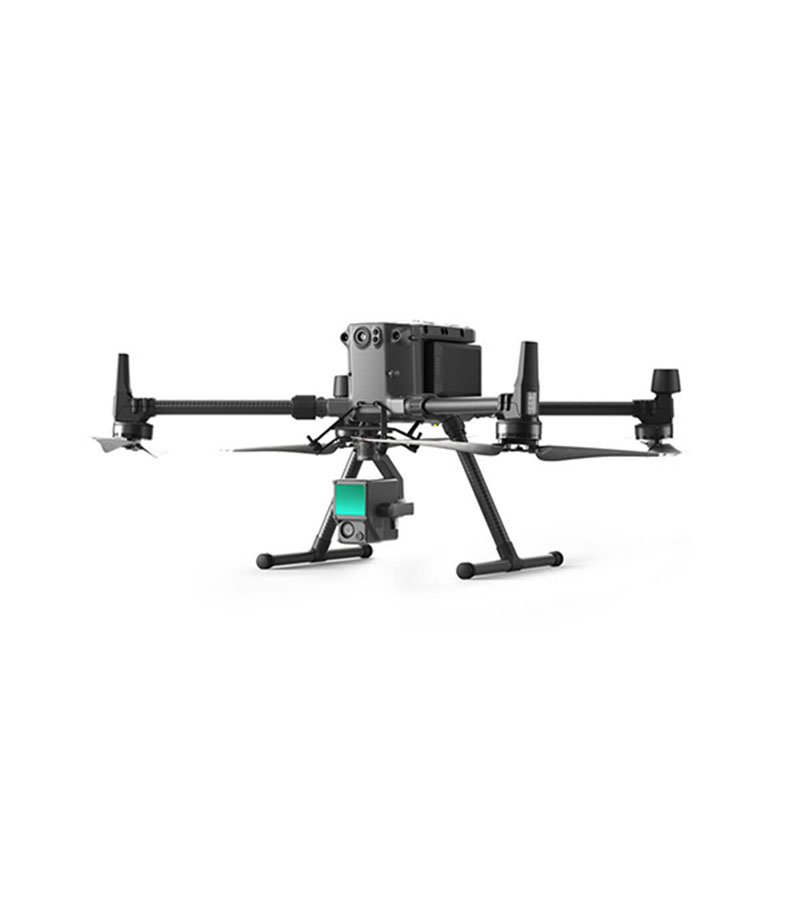
How does DJI Matrice 300 RTK value compare here?
This list doesn’t provide any prices for Swoop Aero Kite, Zipline P2, or DJI Matrice 300 RTK, so there’s no exact value comparison possible.
What warranty duration is included with DJI Matrice 300 RTK?
No warranty duration is listed for DJI Matrice 300 RTK (average rating 4.8), so I can’t confirm any warranty length from the provided data.
Conclusion
Delivery drones are reshaping how Americans get goods, from rapid retail drops in cities to lifesaving medical deliveries in rural areas. We hope this roundup of the top five delivery drone options for 2026 helped you find a solution that matches your needs. If you want more detail or want to refine the results by use case, range, or price, use the search to expand or narrow your options.