Top 7 Special Education Robots in USA — 2026 Guide
Published on Thursday, February 26, 2026
Special Education Robots are designed to support students with diverse learning needs, offering personalized learning aids and fostering engagement. These robots use interactive technology to adapt to different learning styles, from visual and auditory to kinesthetic, making them appealing to educators, therapists, and parents. In the USA, growing emphasis on inclusive education, individualized education programs (IEPs), and evidence-based interventions has increased demand for assistive educational robots. Schools and therapy centers value robots for consistent, repeatable practice, measurable progress tracking, and the ability to deliver low-anxiety social and communication training. Consumers favor devices that are classroom-ready, easy to program, compliant with privacy and safety expectations, and supported by professional training or curriculum materials. Cost, compatibility with IEP goals, vendor support, and demonstrated outcomes in autism and developmental disability interventions also drive purchasing decisions in the US market.
Top Picks Summary
Moxie by Embodied, Inc.
Moxie is an innovative social companion robot designed to support children's emotional and social development. What sets Moxie apart is its ability to engage children in interactive play and meaningful conversations, promoting learning through play. It uses advanced AI technology to adapt to each child's unique preferences and interests, making every interaction personalized. Moxie empowers children to express their feelings and improves their social skills in a fun, engaging manner.
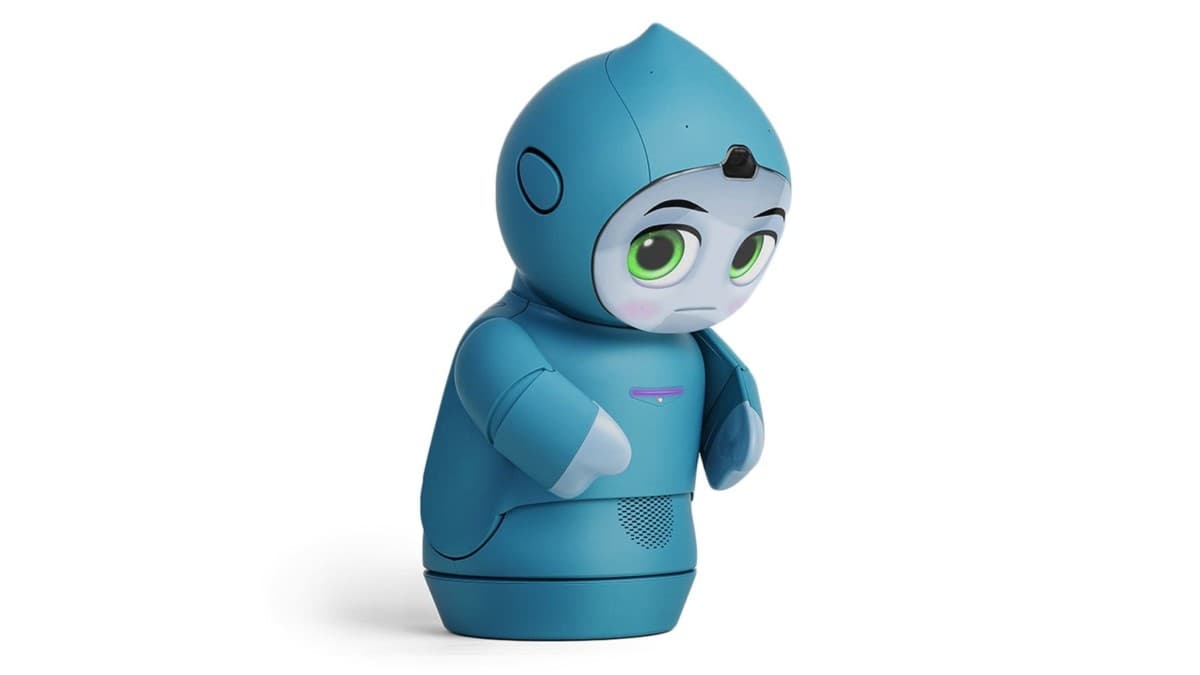
3000-4000$
What Research Shows About Special Education Robots
A growing body of scientific literature shows that robots can be effective tools in special education when used as part of a structured program. Research across clinics, schools, and pilot programs indicates benefits for engagement, social communication, turn-taking, imitation, and motivation. Most studies emphasize that robots work best when integrated with teacher-led instruction or therapist support, and when interventions are tailored to individual student needs. While outcomes vary by age, diagnosis, and implementation fidelity, the general consensus among researchers is that social and educational robots are promising supplementary tools for individualized learning.
Increased engagement and time on task: Multiple classroom studies report higher attention and longer participation when a robot is used to prompt or model tasks.
Improved social communication: Controlled trials and case studies show improvements in social initiations, joint attention, and conversational turn-taking, especially in students with autism spectrum disorder.
Skill practice and repetition: Robots provide consistent, repeatable prompts that help with motor learning, language drills, and social scripts without fatigue or variable human delivery.
Positive emotional response: Observational research finds reduced anxiety and greater willingness to try new tasks when robots are introduced in a predictable, playful way.
Best used with human facilitation: Meta-analyses recommend combining robot interaction with teacher or therapist guidance to generalize skills to natural settings.
Limitations and need for long-term data: Many studies have small samples or short follow-up. Continued research is needed on long-term outcomes, cost-effectiveness, and scalable classroom models.
Frequently Asked Questions
What is the best top 7 special education robots — 2026?
As of April 2026, Moxie by Embodied, Inc. is the top choice for top 7 special education robots — 2026 guide in USA. Moxie is an innovative social companion robot designed to support children's emotional and social development. What sets Moxie apart is its ability to engage children in interactive play and meaningful conversations, promoting learning through play. It uses advanced AI technology to adapt to each child's unique preferences and interests, making every interaction personalized. Moxie empowers children to express their feelings and improves their social skills in a fun, engaging manner.
What are the key features of Moxie by Embodied, Inc.?
Moxie by Embodied, Inc. features: Emotionally aware responses, Customizable interactions, AI-driven learning capabilities.
What are the benefits of Moxie by Embodied, Inc.?
The main benefits include: Empowerment for all genders 🌈, Boosts emotional support 💖, Customizable avatars! 🎭.
How does Moxie by Embodied, Inc. compare to QTrobot by LuxAI?
Based on April 2026 data, QTrobot by LuxAI has a higher rating (4.9/5 vs 4.8/5). However, Moxie by Embodied, Inc. offers competitive value with Emotionally aware responses, making it a better choice for those who prioritize these features.
Conclusion
Special education robots are becoming essential tools in US classrooms and therapy settings. The top options for 2026 include Moxie by Embodied, Inc., QTrobot by LuxAI, NAO6 by SoftBank Robotics, RoboKind Milo, MOVIA Robotics CROMA, Leka Smart Toy, and Misty II by Misty Robotics. Each offers strengths for different goals: Moxie by Embodied, Inc. stands out as a strong all-around choice for social-emotional learning and classroom-ready therapy programs, while QTrobot and RoboKind Milo excel in structured social skills interventions, NAO6 offers broad programmability, MOVIA Robotics CROMA focuses on affordability and modularity, Leka Smart Toy provides play-based sensory engagement for younger learners, and Misty II offers flexible developer-driven customization. I hope you found what you were looking for — if you want to narrow results by age, diagnosis, budget, or classroom features, use the search or filters to refine or expand your search.