Best Stabilized Drones 2026: Top 7 Camera Drones in the USA
Published on Thursday, February 26, 2026
Stabilized drones are transforming aerial photography and videography by delivering consistently smooth, shake-free footage through advanced gimbals and stabilization systems. Within the Drones Robotics > Camera Drones > Photography Drones segment, stabilized models combine mechanical gimbals, inertial sensors, and software-driven electronic stabilization to produce cinematic results with minimal user effort. In the USA, buyers favor stabilized drones for their ability to reduce post-production time, deliver reliable results in challenging conditions, and meet professional standards for real estate, tourism, event videography, and commercial inspections. Consumers prioritize ease of use, image quality, flight reliability, sensor size, and portability, while pros add demands for payload flexibility, redundancy, and regulatory compliance. As a result, stabilized drones appeal to both hobbyists seeking polished personal content and professionals who need repeatable, high-quality aerial footage.
Top Picks Summary
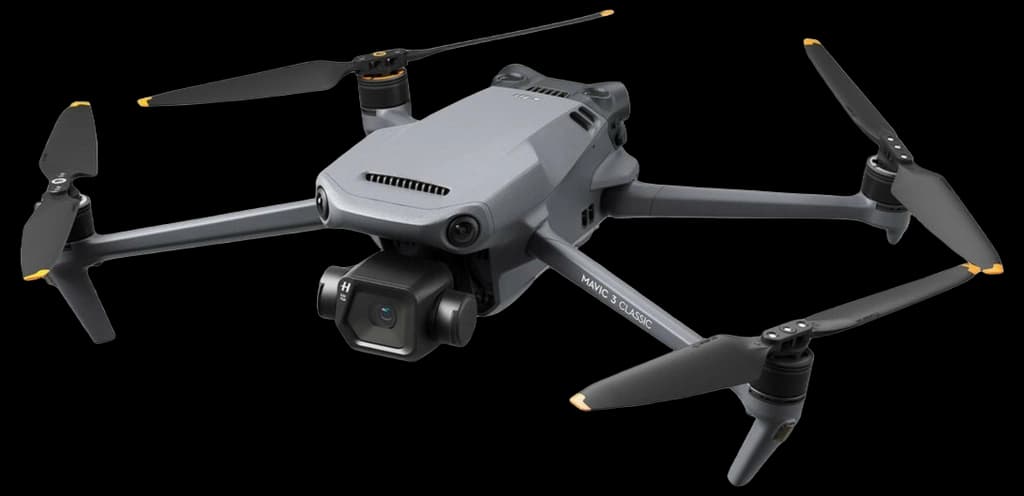
DJI Mavic 3 Pro
The Mavic 3 Pro is positioned as the best-in-class stabilized drone for professionals, combining high-end optical systems and a rock-solid gimbal to deliver cinema-grade, shake-free footage that reduces the need for external stabilization rigs. Compared with the other drones in this list it commands a premium price but repays that cost with superior image fidelity, extended sensing and flight capabilities, and professional workflow features that make it a better long-term investment for commercial filmmakers and survey teams.
DJI Air 3
The Air 3 is a market-leading all-rounder that balances advanced stabilization and imaging with a more accessible price and lighter, travel-friendly platform than flagship models. It sits between the Mavic 3 Pro and the smaller Minis by offering stronger low-light and dual-camera versatility while remaining more affordable than pro‑grade units, making it a go-to choice for content creators who want near-professional stabilization without the highest-tier cost.

DJI Mini 4 Pro
The Mini 4 Pro is the stabilized drone optimized for portability and regulatory ease—substantial three-axis gimbal stabilization in a sub-250 g form factor gives hobbyists and mobile creators buttery-smooth footage without the bulk or expense of larger systems. It sacrifices some sensor size and advanced sensing found on the larger DJI and Autel models, but its low-cost entry and compliance advantages make it the best financial choice for casual users who prioritize portability and simple, reliable stabilization.

Autel Robotics EVO Nano+
The Autel Robotics EVO Nano+ is a feature-packed compact drone that boasts a 1/1.28” sensor capable of capturing stunning 50MP photos and 4K video with amazing clarity. It stands out in its category with intelligent flight modes, including dynamic tracking and time-lapse features, making it easy for users to create stunning content. With an impressive flight time of up to 28 minutes and a lightweight design, it's perfect for on-the-go creators who value performance and portability. Its robust build and user-friendly controls further enhance the overall flying experience.

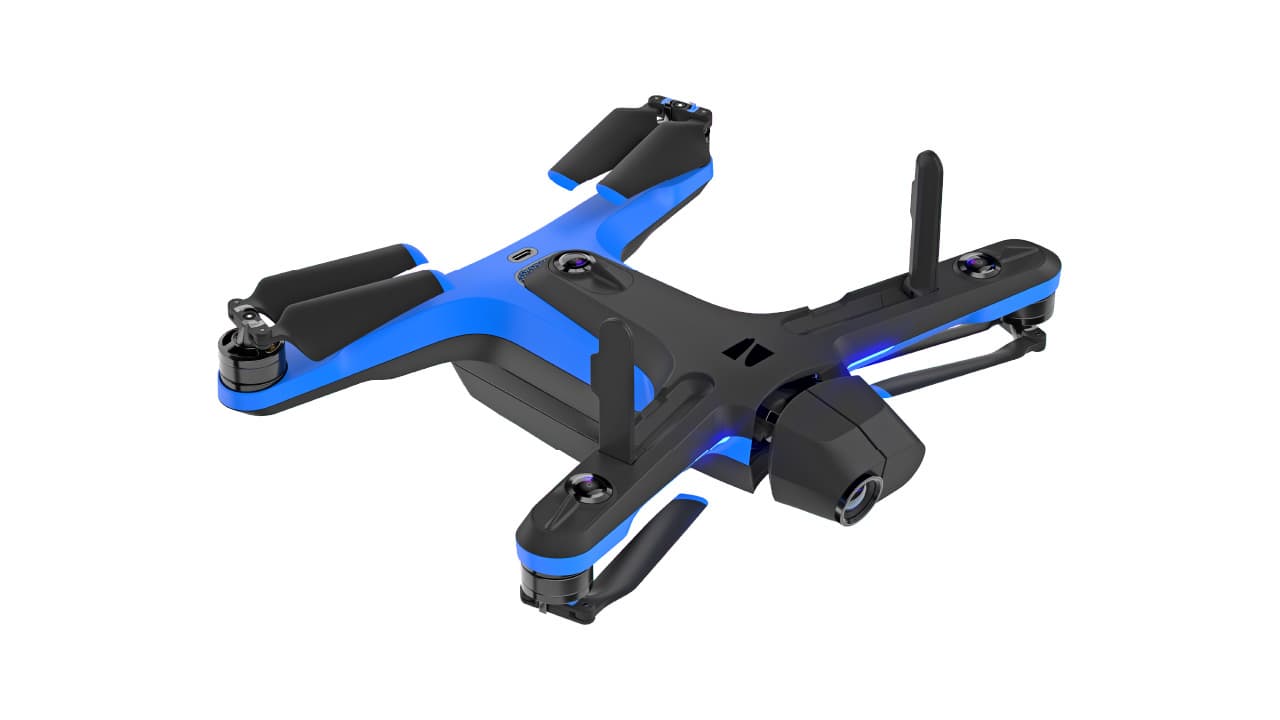
Skydio 2+
The Skydio 2+ is a revolutionary drone that excels in autonomous flight capabilities using advanced AI technology to navigate complex environments effortlessly. Its ability to avoid obstacles in real-time and its robust tracking features make it the leading choice for professional filming, inspections, and adventure sports. This drone offers exceptional 4K HDR video quality, ensuring top-notch visual content for any setting. The combination of powerful autonomous technology and ease of use positions the Skydio 2+ at the forefront of the drone industry.
1600-1800$
DJI Avata 2
The Avata 2 is the specialist stabilized FPV option on the list, tuned for immersive, high-dynamics flight while retaining a gimbal and electronic stabilization that keeps footage usable even in aggressive maneuvers. Unlike the cine- and enterprise-focused drones here, its technical advantage is delivering stabilized first-person footage and low-latency piloting in a compact package, appealing to creators who value agility and immersive perspectives over the absolute image resolution of larger systems.

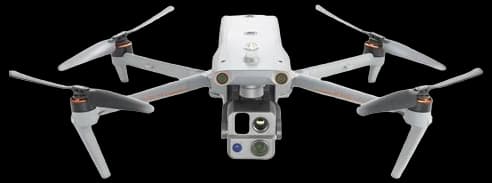
Autel Robotics EVO Max 4T
The EVO Max 4T represents the enterprise-focused market leader for stabilization in inspection and mapping workflows, offering multi-sensor payload options and industrial-grade stabilization and redundancy that lower operational risk and downtime. Compared to the consumer DJI models it is typically pricier but provides technical advantages for professional users—such as thermal/multi-sensor integration, longer endurance options and enhanced data-security features—that can deliver better ROI on commercial projects where stabilized, reliable data capture is critical.
Why Stabilization Matters: Research and Evidence
Multiple lines of industry testing and academic research show that mechanical gimbals combined with electronic image stabilization produce clearer, more usable aerial imagery than unstabilized platforms. Stabilization reduces motion blur and frame-to-frame jitter, which improves perceived image quality and viewer engagement. For commercial tasks such as building inspection, surveying, and mapping, stabilized footage increases the accuracy of visual assessments and reduces the need for repeat flights. Laboratory measurements and field tests also demonstrate that a hybrid approach - using a precision gimbal plus lightweight electronic correction - yields the best balance of sharpness, low vibration, and energy efficiency.
Smoothed footage increases viewer retention and perceived professionalism of content.
Reduced motion blur improves feature detection in inspection and mapping workflows.
Hybrid stabilization (mechanical gimbal plus electronic correction) offers the best image fidelity in most operational conditions.
Better stabilization lowers post-production stabilization workload and can reduce overall project costs.
Field studies show stabilized platforms deliver more repeatable results for commercial surveys and inspections.
Frequently Asked Questions
Which stabilized camera drone should I buy for pro work?
Choose the DJI Mavic 3 Pro if you want pro-level, cinema-grade stabilization: it uses a 3-axis mechanical gimbal with advanced image stabilization and has an average rating of 4.6.
Does the DJI Air 3 have dual cameras and stabilization?
Yes—the DJI Air 3 includes a dual-camera system (wide + tele) with 1-inch sensors and a 3-axis gimbal stabilization tuned for smooth, handheld-like footage.
Is the DJI Air 3 worth it versus the Mini 4 Pro?
DJI Air 3 costs $1,599.00 USDand averages 4.7, while DJI Mini 4 Pro costs $751.46 USDand averages 4.6, with the Air 3 offering dual-camera (wide + tele) versus the Mini’s sub-250 g portable build.
Will the DJI Mini 4 Pro avoid most regulatory limits?
The DJI Mini 4 Pro is sub-250 g with a 3-axis gimbal, which is designed to help you avoid many regulatory limits; it lists for $751.46 USDand averages 4.6.
Conclusion
Stabilized drones are an essential choice for anyone in the USA who wants reliable, cinematic aerial footage with less effort and fewer reshoots. The seven standout models covered here - DJI Mavic 3 Pro, DJI Air 3, DJI Mini 4 Pro, Autel Robotics EVO Nano+, Skydio 2+, DJI Avata 2, and Autel Robotics EVO Max 4T - span the range from ultraportable to professional-grade platforms. For most buyers seeking the best all-around combination of image quality, stabilization, and workflow features, the DJI Mavic 3 Pro is the top choice on this list. We hope you found the information you needed; you can refine or expand your search using the site search to compare specs, prices, and use-case recommendations.