Computer Cases in the USA — 2026 Guide (Top 5 Listed)
Published on Monday, January 26, 2026
Computer cases, also called PC cases or chassis, are the protective and organizational foundation for desktop computers. In the USA market through 2026, buyers prioritize a balance of thermal performance, noise control, build convenience, and style. Trends include increased demand for small form factor builds, high-airflow mid-tower designs, tempered glass and minimalist aesthetics, modular interior layouts, and greater attention to sustainability and material choices. Consumers are drawn to cases that simplify installation, improve component longevity through better cooling and dust management, and deliver the visual and functional features they want without unnecessary cost. For both gamers and professionals, the case remains a critical choice that affects temperature management, acoustics, expandability, and the overall lifetime value of a PC.
Top Picks Summary
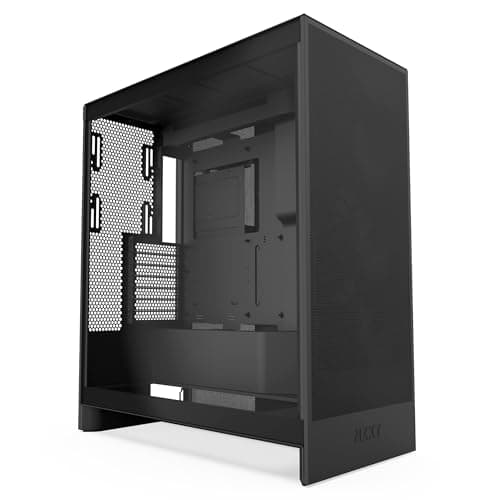
NZXT H7 Flow
The NZXT H7 Flow is best-in-class for balancing high static airflow with a refined, easy-to-build interior, making it an excellent choice for air-cooled high-performance PC builds. Compared with the Corsair 4000D Airflow it presents a slightly more premium finish and sleeker cable management, while costing less and being simpler to configure than the modular Lian Li O11 Dynamic EVO and offering a more airflow-first option than the quieter Fractal North or the value-focused Cooler Master TD500 Mesh.
What Research and Testing Say About Computer Case Benefits
Independent laboratory testing and engineering research consistently show that case design materially affects component temperatures, acoustic levels, dust accumulation, and user experience during assembly and maintenance. Evidence from thermal and acoustic tests, materials analysis, and human factors studies supports the idea that choosing the right case improves reliability, reduces noise, and can simplify upgrades. Below are beginner-friendly takeaways from that body of work.
Thermal management: Testing indicates that cases with optimized airflow paths and adequate fan support reduce CPU and GPU operating temperatures and lower the likelihood of thermal throttling.
Acoustics: Enclosures designed with sound-dampening materials, strategic fan placement, and isolated drive mounts reliably lower perceived noise in measured decibel testing.
Dust and longevity: Cases equipped with well-placed, easily removable dust filters correlate with lower dust accumulation on heatsinks and fans, which supports longer component life and more consistent cooling performance.
Materials and heat dissipation: Material choice matters. Aluminum and steel have different stiffness and heat-spreading properties; tempered glass panels favor aesthetics but can reduce passive heat dispersion compared with metal panels.
Ergonomics and build quality: Modular drive cages, clear cable-routing channels, and standardized mounting points reduce build time and errors. Human factors studies indicate that easier assembly improves overall user satisfaction and lowers repair risk.
Sustainability considerations: Life-cycle assessments show that durable, repairable designs and recyclable materials reduce environmental impact across a product's lifetime compared with short-lived, nonserviceable enclosures.
Frequently Asked Questions
Which PC case should I buy for easy airflow builds?
Choose the NZXT H7 Flow for air-cooled high-performance builds, since it pairs a perforated steel front panel with included high-airflow fans and a spacious interior for multi-radiator support (4.6 average rating).
Does the Corsair 4000D Airflow support 360mm radiators?
Yes—the Corsair 4000D Airflow supports a front 360mm radiator or a top 240mm radiator, and it uses the RapidRoute cable management system for easier routing (4.5 average rating).
How does the Corsair 4000D Airflow price compare here?
The Corsair 4000D Airflow is listed at $89.99 with a 28% discount, giving front mesh intake plus RapidRoute cable management and support for front 360mm or top 240mm radiators (4.5 average rating).
Is the Lian Li O11 Dynamic EVO good for custom loops?
The Lian Li O11 Dynamic EVO is designed for custom loop builders with a dual-chamber modular layout and extensive radiator, fan, and drive mounting options, plus tempered glass exposure (4.7 average rating).
Conclusion
This 2026 USA overview of computer cases summarizes why the right chassis matters for cooling, noise, build ease, and long-term value. We hope you found the context and guidance you needed. If you want to narrow results by size, budget, or feature set, use the site search to refine or expand your options.