Best High-Dynamic Range Cinema Cameras in the USA — Top 7 for 2026
Published on Wednesday, February 25, 2026
High-dynamic range (HDR) cinema cameras excel at capturing both bright highlights and deep shadows, delivering rich visual narratives with improved color accuracy and fine detail. In the high resolution cinema camera market in the USA, HDR capability is a top priority for professional cinematographers, commercial shooters, and independent filmmakers who need latitude for complex lighting, outdoor exteriors, and modern grading pipelines. Advances in sensor design, higher bit-depth recording, and refined color science make HDR cameras especially appealing for projects destined for HDR streaming services, theatrical projection, and high-end advertising. Consumers and rental houses in the USA favor systems that combine robust dynamic range with practical features such as RAW or high-bitrate codecs, dual native ISO, reliable rolling shutter performance, and a mature postproduction workflow.
Top Picks Summary
Arri Alexa Mini LF
The Arri Alexa Mini LF is a best-in-class digital camera that delivers outstanding image quality with its large format sensor and superior dynamic range. Its compact form factor allows for versatile shooting, while the industry-standard color science ensures that footage looks stunning right out of the camera. The Alexa Mini LF is recognized for its reliability and ease of use in high-stakes production environments. Coupled with the excellent lens options available, it remains a leading choice for filmmakers globally.

RED V-RAPTOR XL 8K VV
The RED V-RAPTOR XL 8K VV is best-in-class for high-dynamic-range cinema work, delivering full-frame 8K resolution, exceptional dynamic range and REDCODE RAW flexibility for projects that demand maximum image latitude and future-proofing. Compared with the Panasonic VariCam LT it commands a premium and higher data/storage footprint but offers superior resolution, a larger sensor footprint and an extensible RED ecosystem that benefits VFX-heavy, HDR theatrical workflows.
$45,000-65,000
Sony FX6
The Sony FX6 is a full-frame cinema camera that combines cutting-edge tech with compact versatility, making it ideal for solo shooters and small crews. Featuring Sony’s impressive autofocus system and 4K 120fps recording capabilities, it delivers professional-grade footage with stunning visual fidelity. Its lightweight design and exceptional battery life make it perfect for extended shoots in various environments. The FX6 also integrates seamlessly into existing Sony ecosystems, providing filmmakers with unmatched flexibility.

Canon EOS C300 Mark III
The Canon EOS C300 Mark III is engineered with a dual gain output sensor that excels in low-light conditions while delivering incredible dynamic range. Its modular design allows filmmakers to customize their setup according to project needs, ensuring high adaptability. With Canon Log 2 and 3 and a rich color palette, the C300 Mark III produces cinematic images that are true to life. It's a trusted choice for various applications, from commercials to feature films, highlighting Canon's legacy in the cinema market.

Blackmagic URSA Mini Pro 12K
The Blackmagic URSA Mini Pro 12K pushes the boundaries of resolution and dynamic range, offering filmmakers the ability to capture stunning 12K images. It features an impressive Super 35 sensor and a unique color science that delivers rich colors and detail across all ISO levels. Its user-friendly design allows quick adjustments on set, providing a seamless shooting experience. Whether for documentaries or feature films, the URSA Mini Pro 12K offers extraordinary value in the high-resolution camera market.

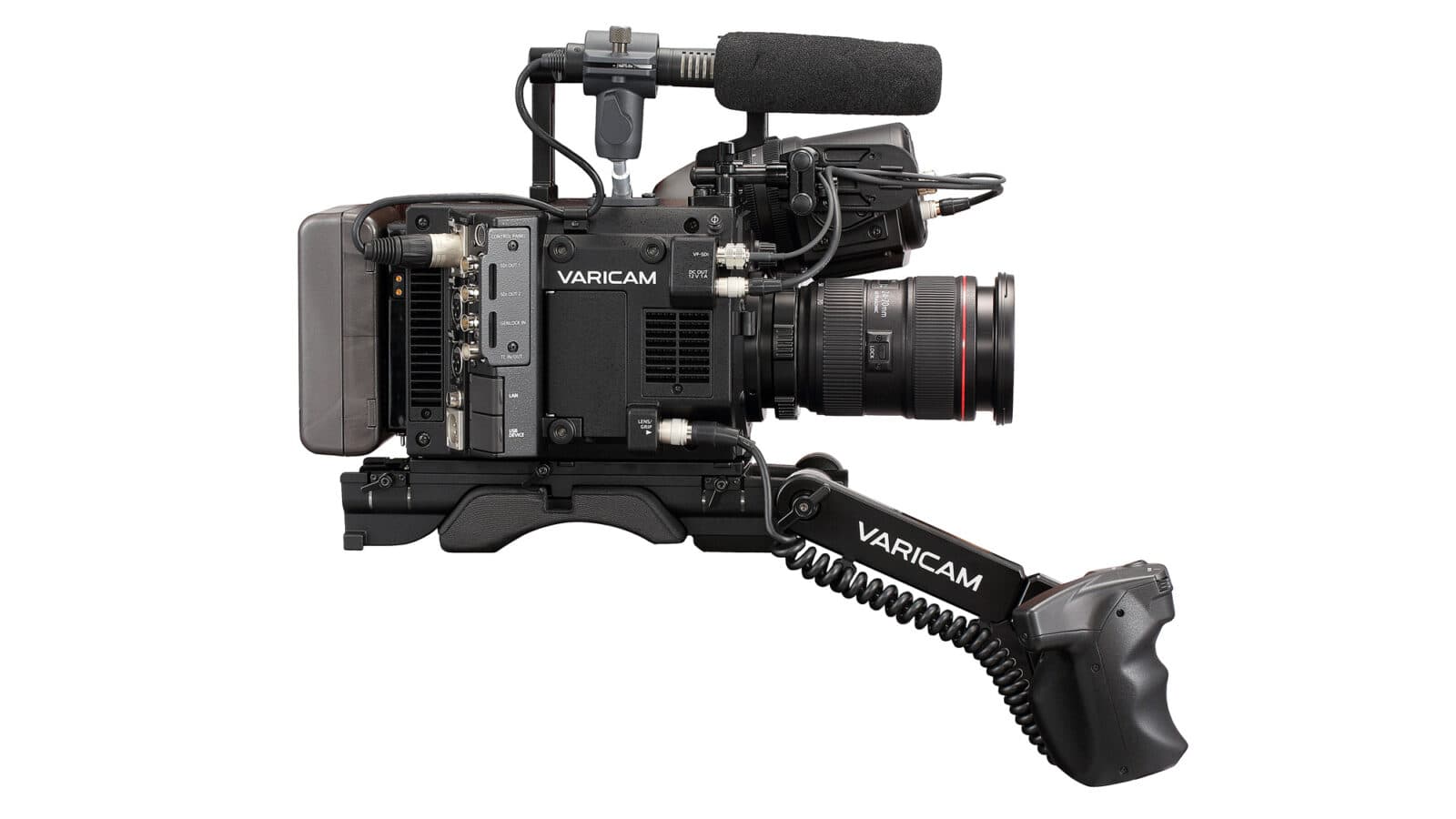
Panasonic VariCam LT
The Panasonic VariCam LT is a market leader for high-dynamic-range production that balances proven dual-native ISO performance, cinematic color science and a compact Super35 form factor for faster, lower-cost HDR workflows. While it doesn't match the V-RAPTOR XL's 8K resolution, the VariCam LT delivers cost-effective low-light performance, lighter file sizes and easier integration for broadcast and independent cinema productions.
RED KOMODO 6K
The RED KOMODO 6K is a compact powerhouse that offers cinematic image quality with its Super 35 sensor and 6K resolution. Its lightweight design makes it highly portable, perfect for run-and-gun shooting. Advanced features like 16+ stops of dynamic range and high frame rate recording set it apart for professionals looking for flexibility. With a robust build and RED's renowned image processing, it stands out in the competitive landscape of digital cinematography.

Why HDR Matters: The Evidence and How It Helps Filmmakers
Scientific research in vision science and imaging shows that wider dynamic range and higher bit depth deliver visibly improved detail in highlights and shadows and give colorists more latitude to craft natural and cinematic images. For filmmakers, HDR capability reduces the risk of blown highlights, preserves texture in bright and dark areas, and supports modern display standards such as HDR10, Dolby Vision, and HLG. Practically, cameras with greater dynamic range and higher-precision color recording translate to faster grading, fewer reshoots, and a more consistent look across varied lighting conditions.
Human vision adapts to a very wide dynamic range. Capturing more stops of range aligns camera output better with how viewers perceive real scenes, improving perceived realism.
Higher bit depth and wider color gamut reduce banding and posterization during heavy grading, which is essential for HDR workflows.
Objective image quality measures, such as stops of dynamic range and signal-to-noise ratio, correlate with better highlight roll-off and shadow detail in final images.
Industry adoption of HDR delivery by streaming platforms and broadcasters has increased demand for cameras that natively support HDR capture and high-resolution RAW or log codecs.
Workflows that combine HDR capture with modern color management produce more consistent results and can speed up postproduction, reducing overall project costs.
Frequently Asked Questions
Should I choose Arri Alexa Mini LF or RED V-RAPTOR XL?
Choose Arri Alexa Mini LF if you want a compact Super 35mm cinema camera with exceptional dynamic range and “cinematic color science,” because it’s rated 4.9.
What exact dynamic range spec does RED V-RAPTOR XL list?
RED V-RAPTOR XL 8K VV is manufacturer-claimed to deliver very wide dynamic range of 16+ stops, using an 8K VV full-frame sensor.
How does Sony FX6 price compare to Arri Alexa Mini LF?
Sony FX6 costs $6,998.00 USDwhile Arri Alexa Mini LF lists at $27.80 USDso you pay far more for Sony’s full-frame, 4K 120fps capability.
Which camera is best for low-light: Sony FX6?
Sony FX6 is full-frame and is described as having superior low-light performance, rated 4.6; the provided data does not list any warranty duration for FX6.
Conclusion
This page highlights seven leading HDR-capable, high-resolution cinema cameras available in the USA: ARRI ALEXA Mini LF, RED V-RAPTOR XL 8K VV, Sony FX6, Canon EOS C300 Mark III, Blackmagic URSA Mini Pro 12K, Panasonic VariCam LT, and RED KOMODO 6K. Each model suits different priorities: the RED V-RAPTOR XL 8K VV and Blackmagic URSA Mini Pro 12K push resolution and detail for VFX-heavy shoots; the Canon C300 Mark III and Sony FX6 balance low-light performance with efficient workflows; the Panasonic VariCam LT is optimized for broadcast and cinematic color pipelines; and the RED KOMODO 6K is a compact, cost-effective option. For most high-end cinematic HDR projects in 2026, the ARRI ALEXA Mini LF remains the best overall choice due to its proven dynamic range, skin tone rendering, and established color pipeline, though individual needs and budgets may point you to a different model. We hope you found what you were looking for. Use the search to refine by budget, resolution, sensor size, or workflow to expand or narrow your options.