Golf: Top 5 in the United States for 2026
Published on Monday, January 26, 2026
Golf in the United States remains a dynamic sector in 2026, combining the tradition of classic clubs with modern innovations such as simulators, urban courses, and short formats. The golf category covers everything from equipment and lessons to destination courses and social experiences like Topgolf, resorts, and local leagues. American consumers today seek a mix of quality, flexibility, and value: accessible courses near urban areas, modular memberships, training technologies, and eco-friendly options. Recent trends include growth among younger players and women, wider adoption of simulators for year-round practice, a stronger emphasis on course sustainability, and rising interest in shorter, more social formats. These factors explain golf's appeal in the U.S. market: it offers moderate physical activity, networking and outdoor leisure opportunities, and a broad range of products and services for varied budgets and skill levels.
Top Picks Summary
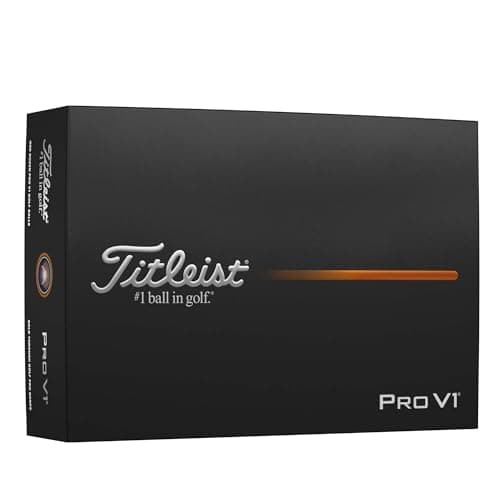
Titleist Pro V1
The Titleist Pro V1 remains the benchmark among premium golf balls, delivering a rare balance of control, feel, and consistent flight. It outperforms the other products on this list as a core performance component and pairs especially well with high-end drivers. Although it carries a higher price, its on-course performance and consistency for low-handicap players justify the investment, particularly when matched with Titleist drivers like the TSR3.
What research says about the benefits of golf
Numerous studies and scientific reviews show that playing golf delivers combined physical, cognitive, and social benefits. Golf is a moderate-intensity activity that encourages extended walking, balance, and coordination while exposing players to a calming outdoor environment. The scientific literature links regular golf participation to improved cardiovascular health, increased longevity, and better mental well-being associated with outdoor exercise and social interaction. These conclusions align with public health recommendations for regular physical activity.
Reduced mortality: large observational studies have shown an association between regular golf participation and a lower risk of all-cause mortality.
Moderate physical activity: playing 18 holes often involves walking about 3 to 6 miles, helping meet weekly physical activity guidelines.
Improved balance and fall prevention: golf challenges balance, core strength, and proprioception, which is especially beneficial for seniors.
Mental well-being: exposure to green spaces and physical activity reduce stress and anxiety and support cognitive recovery.
Social engagement: clubs and leagues strengthen social networks and community support, important contributors to psychological health.
Frequently Asked Questions
Which golf ball should I buy for control and spin?
For control and around-the-green spin, choose Titleist Pro V1; it has a urethane cover for a soft feel and high spin, plus a high-energy core for consistent compression, and it’s rated 4.9 with a $57.99 listing price.
What exact feature helps the TaylorMade Stealth 2 Driver?
The TaylorMade Stealth 2 Driver uses a carbon face for increased ball speed across the entire face, and it also includes an adjustable shaft and weight system to customize trajectory and shot dispersion; it’s rated 4.5 and priced at $400.
Is the Callaway Paradym Driver a better value than Stealth 2?
Yes if you want distance-to-control features for less: Callaway Paradym Driver is $289.99 and uses a forged titanium face plus adjustable weight, while TaylorMade Stealth 2 Driver costs $400; ratings are 4.4 vs 4.5.
Do any of these drivers offer customization for trajectory?
Yes—both TaylorMade Stealth 2 Driver and Callaway Paradym Driver offer adjustable systems: Stealth 2 has an adjustable shaft and weight system, and Paradym has adjustable weight to balance distance, spin, and forgiveness; warranty details aren’t listed.
Conclusion
This 2026 guide to golf in the United States summarizes trends, consumer preferences, and the scientific evidence supporting play. We hope you found the information you were looking for. You can refine or broaden your search (by equipment, course type, budget, or location) to get more targeted recommendations.