Antibacterial Cleansing Wipes: Top 5 Options in USA for 2026
Published on Monday, January 26, 2026
Antibacterial cleansing wipes are single-use sheets premoistened with a formulation designed to remove dirt, oils, and many common bacteria from hands and surfaces. In the USA market these wipes serve consumers who want fast, portable hygiene solutions for travel, work, childcare, and household cleaning. Buyers typically prioritize proven germ reduction, skin friendliness, scent profiles, ingredient transparency, regulatory compliance, and convenience. In 2026 consumer preferences also strongly reflect environmental values: many shoppers look for biodegradable materials, recyclable packaging, and clear labeling about flushability and disposal. Health-conscious buyers check for EPA registration or clear efficacy claims, while those with sensitive skin prefer fragrance-free, alcohol-free, or dermatologist-tested formulas.
Top Picks Summary
Wet Ones Antibacterial Hand Wipes
Wet Ones stands out as a best-in-class choice for everyday antibacterial hand cleansing because it balances effective germ reduction with formulations designed for frequent skin contact and softer cloths. Compared with stronger surface disinfectants in this list (Clorox and Lysol), Wet Ones is more skin-friendly and often more cost-effective per use than premium alcohol-based hand wipes like Purell, making it a practical everyday carry option for consumers prioritizing comfort and value.

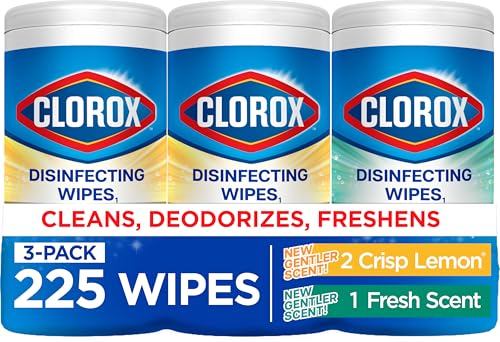
Clorox Disinfecting Wipes
Clorox Disinfecting Wipes lead the market for household and multi-surface disinfection thanks to broad EPA-registered kill claims and proven efficacy against a wide range of pathogens, which gives them a technical edge for sanitizing surfaces. Financially and operationally they benefit from large-scale manufacturing and distributor relationships that lower per-unit cost in bulk, though they are stronger chemistries than hand-focused wipes and are not the first choice for frequent skin use compared with Wet Ones or Purell.
Lysol Disinfecting Wipes
Lysol Disinfecting Wipes are a market leader recognized for consistent disinfecting performance and strong brand trust, offering similar EPA-registered surface protection to Clorox with a variety of scent and format options. They compete closely on price and technical specs with Clorox for home and commercial use, but like other surface disinfectants on this list, they are less suitable for regular hand cleansing than the dedicated antibacterial hand wipe products.

Purell Hand Sanitizing Wipes
Purell Hand Sanitizing Wipes leverage the Purell brand's leadership in alcohol-based hand hygiene to deliver rapid, alcohol-based germ kill on skin with a quick-dry, non-sticky finish, making them the technical choice when immediate hand sanitization is the priority. They typically command a premium price versus benzalkonium-based hand wipes (such as some Wet Ones or Germ-X formulations), but offer superior speed and broad acceptance for hand use compared with surface-focused disinfecting wipes like Clorox and Lysol.

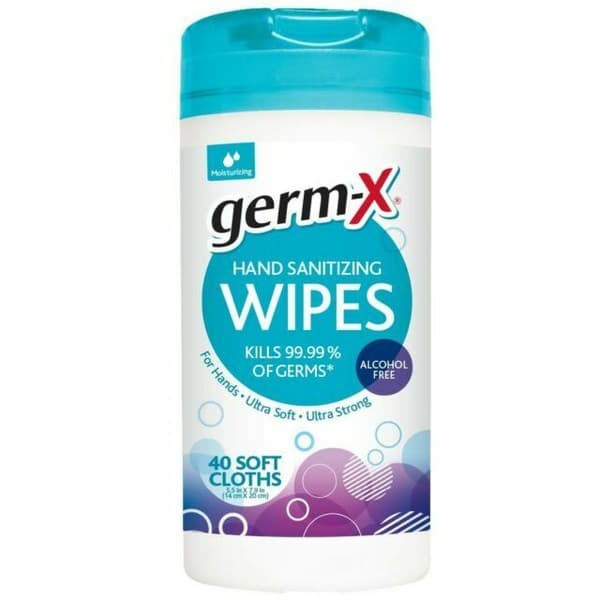
germ-x Antibacterial Hand Wipes
germ-x Antibacterial Hand Wipes occupy the budget-friendly end of the antibacterial cleansing wipes category, offering familiar antiseptic formulations and accessible pricing for frequent consumer use. They are a practical value alternative to premium sanitizing wipes like Purell and to soft-skin options like Wet Ones, though they typically lack the broad EPA surface disinfectant claims of Clorox and Lysol and may vary in active ingredient and skin-feel across SKUs.
$2-6
What Research and Official Guidance Say About Antibacterial Cleansing Wipes
Scientific studies and public health guidance show that properly used antibacterial wipes can reduce bacteria on hands and hard surfaces, but results depend on active ingredients, correct contact time, and wiping technique. Public health agencies emphasize the difference between cleaning, sanitizing, and disinfecting: wiping away dirt helps reduce microbes, while EPA-registered formulations make specific claims about killing bacteria and viruses on surfaces. Skin safety studies note that repeated or prolonged use of wipes with alcohol, fragrances, or preservatives can increase the risk of irritation or allergic contact dermatitis for some users. Environmental research raises concerns about disposable wipes contributing to solid waste and wastewater blockages when labeled flushable without meeting plumbing standards.
Efficacy: Wipes with EPA-registered actives or appropriate alcohol concentrations reduce many bacteria and some viruses on surfaces when used with the recommended contact time.
Usage matters: Mechanical wiping removes soils and microbes; leaving a product wet for the stated contact time improves antimicrobial performance.
Skin safety: Repeated use of alcohol or preservative-containing wipes may cause dryness or irritation; fragrance-free and dermatologically tested options lower that risk.
Antimicrobial resistance: Overuse of antibacterial agents in nonclinical settings could contribute to selective pressure; follow product directions and avoid overreliance when routine soap and water are appropriate.
Environmental impact: Most disposable wipes create landfill waste; truly biodegradable formulations and responsible disposal reduce environmental harm. Be cautious with 'flushable' claims.
Public health guidance: For infection control beyond routine hygiene, follow CDC and local public health recommendations and use EPA-registered disinfectants when needed.
Frequently Asked Questions
Which antibacterial wipes are best for everyday hand use?
Wet Ones Antibacterial Hand Wipes are best for everyday hand cleansing, with an average rating of 4.5 and a skin-conditioning antibacterial formula designed to limit dryness during frequent use.
Does Clorox Disinfecting Wipes kill 99.9% of germs?
Yes—Clorox Disinfecting Wipes are EPA-registered and kill 99.9% of bacteria and many viruses on hard, non-porous surfaces, using thick, durable cloth for scrubbing.
Are Clorox Disinfecting Wipes cheaper than Lysol Disinfecting Wipes?
Yes: Clorox Disinfecting Wipes list for $10.39 USDwhile Lysol Disinfecting Wipes list for $14.97 USDand Clorox includes EPA-registered kills of 99.9% on hard, non-porous surfaces.
Can I use Lysol Disinfecting Wipes on my hands?
No—Lysol Disinfecting Wipes are not intended for hand use; they’re EPA-registered multi-surface disinfecting wipes meant for routine household and workplace sanitation, with an average rating of 4.3.
Conclusion
This category page covers antibacterial cleansing wipes available in the USA and reflects common consumer priorities for 2026. Currently the page lists Top 0 options, which means no specific top picks are defined here yet. We hope you found the information helpful. Use the site search or refine filters by ingredient, skin sensitivity, EPA registration, scent, or sustainability to expand or narrow your results.