Shaving Hair Removal: Top 8 Picks in the USA for 2026
Published on Tuesday, January 27, 2026
Shaving hair removal includes manual and electric razors, pre- and post-shave care products, and the techniques consumers use every day to remove unwanted hair. In the United States it remains one of the most popular methods because it is fast, affordable, accessible, and easy to incorporate into daily routines. Shaving appeals to shoppers who prioritize convenience, precision styling, and low upfront cost, and 2026 trends show growing demand for sensitive-skin formulations, sustainable blade options, and versatile electric shavers for wet and dry use. Consumers often choose shaving for face, legs, underarms, and intimate areas when they want immediate results with minimal equipment.
Top Picks Summary
Gillette ProGlide Shield Razor
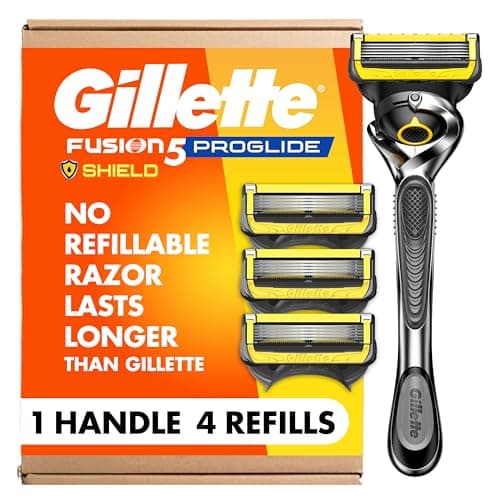
The Gillette ProGlide Shield is a market-leading cartridge razor prized for its close, comfortable wet shaves thanks to precision blades, lubrication strips and a microfinned guard that tames stubble. It holds its position for shaving hair removal through ubiquitous availability and low perceived cost per shave compared with high upfront electric units like the Braun or Panasonic, though subscription DTC brands like Harry's can undercut it on blade price.
What the research says about shaving
Dermatology guidance and clinical research help explain why shaving works well as a hair removal method and how to reduce side effects. Studies and expert recommendations make clear that shaving removes hair at the skin surface, offers immediate cosmetic results, and is safe when proper technique and products are used. Evidence also clarifies common myths, like the idea that shaving makes hair grow back thicker; research shows regrowth appearance is due to blunt tips, not a change in hair structure.
Shaving removes hair above the skin and does not change the hair follicle; authoritative dermatology sources state it does not alter long-term hair thickness or growth rate.
Proper lubrication and technique reduce friction and microtears in the skin, lowering the risk of razor burn and irritation; studies support the use of shaving cream, gel, or oils for better glide.
Using sharp blades and replacing them regularly decreases tugging and reduces nicks and ingrown hairs, as blunt blades increase mechanical trauma.
Exfoliation and targeted moisturization can reduce the incidence of ingrown hairs by keeping follicles clear and the skin barrier healthy.
Electric shavers generally cause fewer cuts and work well for people with sensitive skin, though they may not provide as close a shave as multi-blade razors. Clinical comparisons note tradeoffs between closeness and comfort.
Hygiene matters: cleaning and drying razors between uses reduces bacterial buildup and the chance of infection or folliculitis.
Frequently Asked Questions
Which razor should I buy for sensitive stubble shaving?
Choose the Gillette ProGlide Shield Razor (4.5 rating) for sensitive areas because it uses SkinGuard technology between blades to help reduce irritation on sensitive areas.
Does Philips Norelco OneBlade Pro do wet and dry shaving?
Yes—Philips Norelco OneBlade Pro supports wet/dry use and uses a rechargeable battery, plus it includes adjustable combs for precise length control.
Is Braun Series 9 Pro Electric Shaver worth the $429.99 price?
Braun Series 9 Pro Electric Shaver costs $429.99 and has a flexible foil head with multiple synchronized cutting elements for a very close, adaptive wet or dry shave.
Which shaver has a wet and dry battery option for grooming?
Philips Norelco OneBlade Pro is wet/dry with a rechargeable battery, making it a cordless grooming option for trimming, edging, and shaving different hair lengths.
Conclusion
Shaving remains a practical, immediate hair removal choice for many people across the USA, especially those who value speed, affordability, and precision. We hope you found the overview you were looking for. If you want to narrow or broaden your search, use the site search to refine by skin type, razor style, or product features.